


The mission of this website is twofold: (1) to support all those who wish to enhance social care for those in need; and (2) to contribute to improving the quality of education for all students regardless of age or learning abilities.
Author: O'Hagan
Dr Frank O'Hagan has formerly worked as a science and mathematics teacher, social welfare officer, teacher education lecturer, university lecturer and inspector of educational establishments. Now retired, he continues to have a keen interest in education and provision for carers.
Introduction
I first met a humanoid-robot in the Alan Turing Institute of the University of Strathclyde in Glasgow. The occasion was in the 1980s. Along with a colleague, I was involved in a research project which focused on pupil-software interaction. It was fun to watch the robot’s antics in the laboratory but its value as a learning machine was very limited. How times have changed in 50 years of investigation and experimentation!
An overall aim of research in robotics is the enhancement of the standards of the daily habits and wellbeing of all relevant parties. Future developments in the sustenance of persons with incapacities and their carers will include an emphasis on key aspects of medication, technology, and lifestyles. There is much that robots can achieve in making headway in these areas. Nonetheless, it is essential that ethical matters such as those concerning privacy, dignity and independence of persons being supported are fully respected and the know-how of their guardians is increased (Mecalupu and others, 2025). Additionally, there inevitably will be issues regarding the costs of construction and ongoing maintenance of robots and, on occasions, problems in fitting them into their operating environments, particularly if they are intended to be available on a 24/7 basis.
“A robot may not injure a human being or, through inaction, allow a human being to come to harm.” (Isaac Asimov (1920-1992), author of “I, Robot”, a collection of science fiction short stories.)
In an age of mistrust and mere speculation, robust research will assist professionals and carers in establishing the most effective methods of intervention while taking due account of the needs and wishes of those whom they are supporting. The further development of robots’ potential entails multidisciplinary cooperation among practitioners and researchers with testing and exploration ‘outside of the box’ to ensure a truly reciprocal and first-rate human-machine partnership. At the same time, protective considerations need to be taken into account in case of mismanagement or lack of skillsets.
There is substantial evidence that efficient use of robotics will augment the competences and deployment of a caring, nation-wide workforce. Key questions are: “How should professionals and researchers identify and develop pertinent capabilities for robots in order for them to act as expert carers?” and “What are the most suitable tasks and responsibilities which can be passed over to these computerised assistants?” A useful starting point is to analyse the opinions, talents, and dexterity of those dedicated persons already at work in this area. Once aims are agreed, the next stage would be to devise programs to ‘incorporate’ these qualities and proficiencies within robotic carers.
The interface of robotics, carers, and persons in need of care
Robots come in many shapes and sizes and can be designed to undertake single, specific chores – lifting, toileting, playing games – or alternatively to carry out multi-functional cognitive, emotional, and practical assignments. The applications of robots offer assistance and support for persons with a diverse range of disabilities – for example, dementia (Wu and others, 2025). Assigned undertakings may include acting as an inbuilt feature of a person’s clothing to reinforce the power of their muscles or to help in carrying out physical exercises which have been prescribed by physiotherapists. When acting as coaches, they have an affirmative, educational role in informing carers about relevant publications, outlining best-fit objectives for those in their care, and suggesting bespoke training packages towards the attainment of desirable goals. In a real sense, the more a robot can accomplish a wide variety of benevolent duties, the more it moves forward towards emulating a competent human caregiver.
The advancement of robots with ‘caring expertise’ will centre on their ability to: boost working relationships between carers and those requiring aid; promote confidence, self-belief, enthusiasm, and curiosity; identify individuals’ strenghts and weaknesses; foster imminent progress away from current levels of disadvantages; encourage essential everyday social and interpersonal skills at an appropriate pace while steering clear of targets which might be overwhelming; and avoid the fallacy of ‘one size fits all’ when assessing needs and recommending proposals concerning progress. They also have the capability to create and/or participate in services, amenities, and leisure pursuits – such as safety procedures; contacts with families and friends; reminiscences about joyful previous occasions; news reports; recordings of favourite songs and music, etc. – to suit individual interests and tastes. Taken together, these positive qualities will endow robots with a ‘personality’ which is friendly, caring, non-judgmental, and a genuine facilitator of physical wellbeing and good mental health. (For instance, see Footnote No. 1 regarding robots assisting with ‘time travel’.)
Supplementary hi-tec and refined improvements in the domain of ‘digital empowerment’ (or what might be referred to as CRISMATICS, namely proficiencies in the use of Computers, Robots, and Artificial Intelligence) are constantly being achieved. In particular, technological upgrades encompassing online, hybrid and blended assistance are introducing a broad array of choices comprising robotic features relating to mannerisms, gender, dress, accent, social aptitudes, selected pastimes, and hobbies. Similarly, many related practical skills and tips – making apt changes to one’s home; managing medication, cerebral rehabilitation, and preplanned healing processes; engaging with companies and providers – could be incorporated to expand a robot’s breadth of usages. (The Scottish Dementia Working Group, 2024, contains feasible themes for inclusion.) As the extent of personal requisites are diverse and varied, the availability of differing types and categories of androids will be generated to meet individualised requirements. There can be little doubt that, in their forthcoming roles as carers, robots will become progressively helpful in ameliorating the lives of persons experiencing disabilities, aiding their caregivers, and working constructively alongside qualified specialists, such as occupational therapists and other allied health professionals.
Impending challenges facing researchers and developers
In researching on how best to engage robots, attention will need to be paid to both qualitative and quantitative features. For example, regarding persons living with dementia and their carers, qualitative aspects could embrace a wide range of robots’ competences and users’ preferences as well as their facility to enrich communal contexts and lived experiences (Shi and others, 2025). Researchers may wish to explore how to adopt more nuanced approaches to established habits as regards: offering to help in difficult circumstances; enhancing interpersonal relationships and mental health; proposing guidance on recreational and leisure activities; using good communication skills; finding how best to exploit robots’ infinite patience; making appropriate use of humour; counteracting distress; and giving more time and opportunities for carers to engage in other essential pursuits.
Quantitative enquiries could involve collecting and analysing data as measures relating to emotional responses, personal satisfaction, and efficiency in reinforcing key skills. Accurately-gauged, measurable analyses of micro-moments and movements have the capacity to identify pathways towards advantageous targets. Thorough, solution-focussed research across a complex interplay of situations may reveal which factors are the most impactful and transformative. By aggregating with artificial intelligence (AI), conclusions can be drawn and suggestions outlined regarding environmental improvements. Two expedient advances could be a greater focus on: (1) statistically evaluating the quality and suitability of assistive robots’ contributions to recipients’ security and welfare; and (2) their accuracy vis-à-vis feedback when making recommendations pertaining to measures of contentment and self-worth. Clearly, detailed studies to further promote motor and cognitive factors are required to ascertain successful procedures and long-term outcomes. (Seino, 2024.)
“There are endless number of things to discover about robots. A lot of it is just too fantastic for people to believe.” (Daniel H. Wilson, author of “How to Survive a Robot Uprising”)
Concluding comments
Research has indicated that robotic care interventions have the potency to enrich the quality of the lives of vulnerable people (Nam and Park, 2025). Nevertheless, given the complexity of challenges which carers can encounter, it is meaningful for ongoing investigations to discover innovative ways for their apposite involvement when being employed. In combination with topics mentioned already, areas of interest could include robots’ roles to: make adept use of kindness and good manners in enhancing relationships between carers and those being supported; overcome social marginalisation and loneliness by establishing novel forms of friendship and comfort; show empathy when a person is confused, troubled, or distressed; improve carers’ knowledge, understanding, and indispensable skills; and suggest appropriate strategies, such as compassion-focused therapy, to address specific needs. Briefly stated, robots have the potential to provide ‘wrap-around scaffolding’ to enhance and maintain lifestyles by concentrating on what really matters.
At the beginning of this paper two key questions were raised about the current use of robots as carers. The challenges for future developments can be reviewed by spotlighting two other related and important enquiries: “How can the ‘robotic revolution’ be implemented more effectively in the promotion of the principles and attributes underlying first-class care?” and “How best can both carers and those in need of assistance benefit from scientific advancements in practical, accessible, and flexible ways?” During periods of rapid progress it will be crucial that best practices, and the added value of robots’ pragmatic contributions, are made well known to caregivers.
A mischievous question: Will the day come when a robot self-evaluates its efforts by resorting to its own version of the ‘serenity prayer’ reflecting as to what is beyond its control, asking for the courage to continue to do good work, and requesting wisdom to know the difference? (See Footnote No. 2.)
Footnotes
1. Carers can feel hassled on occasions and, particularly when they are under pressure, they may lose track of their timing of routines and responsibilities. It is relatively easy for them to program a robot to ‘time travel’ – a term sometimes used for providing questions and nudges about duties either to caregivers or to those whom they are assisting. For example, for a person in need of care the robot might say: “It will soon be time for you to take your medication. Shall I fetch it for you? Be sure to take one capsule, along with a glass of water.’’ Or to a caregiver: ‘‘You have had a very busy morning. If it is not raining, perhaps you may want to go outside and relax for 10 minutes or so? Or would you rather listen to some music?”
2. The serenity prayer has been attributed to Reinhold Neibuhr (1892 -1971). It emphasises the importance of reflection, courage, and wisdom – all key features of high-quality caregiving!
3. The website of Edinburgh Napier University contains helpful insights regarding the integration of robotics into occupational therapy and dementia care, including a video highlighting key aspects of this topic.
References
1. Seino, K. (2024) An Exploratory Literature Review of Robots and Their Interaction as Assistive Technology for Persons with Disabilities: Focus on Promoting Activity and Participation. In Baratgin, J., Jacquet, B., and Yama, H. (eds.) Human Artificial Rationalities. HAR 2023. Lecture Notes in Computer Science, Volume 14522. Springer. Cham.
2. The Scottish Dementia Working Group (2024) Our “Top Tips” for living well with dementia. Published by Alzheimer Scotland.
3. Mecalupu, V., Miller, E., Martin, L., and Caldwell, G. (2025) Human-robot interactions and experiences of staff and services robots in aged care. Nature, Scientific Reports, 15, Article Number 24945.
4. Shi, W., Zhou, W., Wang, R., Shen, H., Xu, N., and Wang, J. (2025) Exploring the perceptions and experiences of caregivers with the application of socially assistive robots in dementia care: A systematic review of qualitative studies. International Journal of Nursing Studies, July 2025, Volume 167: 105084.
5. Nam, S. and Park, E. (2025) Effectiveness of Robot Care Intervention and Maintenance for People with Dementia: A Systematic Review and Meta-Analysis. Innovation in Aging, Oxford University Press, Volume 9, Issue 3.
6. Wu, D., Pu, L., Jo, J., and Moyle, W. (2025) Technologies and Applications of Robots in Dementia Care: A Systemic Review. Journal of Intelligent and Robotic Systems, Volume 111, Article number 33.
Linked blogs include:
1. Technology at work on behalf of persons being cared for and their caregivers https://improvingcareand.education/2022/10/25/technology-at-work-in-social-care/
2. Good Practices: Enhancing Brain Health – biological research, technologies, lifestyles https://improvingcareand.education/enhancing-brain-health-biological-research-technologies-lifestyles/

Frank O’Hagan
Introductory preamble
Carers often experience a wide variety of ordeals and challenges, at times totally unexpected, which damage their confidence and sense of self-assurance. Personal narratives may include: their loss of autonomy; an inability to deal with muddled and perplexed incidents or baffling patterns of behaviours; and anticipatory grief prior to a death. Their uncertainty and confusion make it increasingly difficult to eliminate shock, anguish, or guilt from being rigidly fixed within their consciousness. Sadly, marginalisation and stigma are stacked unfairly against not only those requiring support, perhaps due to a form of physical disability or dementia, but also their carers. (Bhutt, 2023).
In such dispiriting times, for instance on learning about a serious illness or experiencing a bereavement, innermost self-questioning may raise doubts about the quality of support which they had previously offered albeit to the best of their abilities. “Should I have noticed unusual behaviours or memory deficits earlier?” – “Why did I not insist on a formal diagnosis much sooner?” – “Ought I to have demanded better assistance from social services to ensure more appropriate personalised care?” Unfortunately, during periods of suffering from burdens and depression, they may wearily and despondently question their competence and ask themselves, “Am I a failure as a carer?” And, in truth, there are occasions when “It’s OK, not to be OK.”
“Ever tried. Ever failed. No matter. Try again. Fail again. Fail better.” (Beckett, 1983)
Accepting faults and challenges
Overwhelmed and stressed by encounters which appear unsurmountable, it is not surprising to find even dedicated guardians being tempted to admit defeat. Each person’s emotional experiences of disappointment, sorrow or remorse can arise from a complex and unique interplay of occurrences. Carers have a duty to themselves to avoid becoming imprisoned by the circumstances which surround them. Instead, they benefit from adopting positive strategies for leveraging freedom and success from feelings of grief, confusion, and painfulness. It is easy to make such a statement but, of course, it can be a very strenuous itinerary which lies ahead. (Healthcare Improvement Scotland, 2023)
The starting point for recovery and progress is the identification and acceptance of the challenges which have to be overcome. This stance goes beyond just good intentions and includes a realistic appraisal of the weaknesses and problems which need to be addressed. In particular, a focus is required on ascertaining ‘what works’ best for the individual who needs care and assistance.
The next stage is the commitment to confront, fearlessly and confidently, the trials and tasks which have to be faced. Time and support may be required to develop previously unknown skillsets which are founded on evidenced-based practices. They should try not be concerned about being forced to begin with strategies which have unassuming and simple outcomes; rather, if unavoidable, to be prepared for initially having to resign themselves to making merely bite-sized strides towards planned objectives.
In short, positive action, including developing appropriate interventions, can eliminate carers’ sense of unease and of making unfair judgements about themselves due to feelings of powerlessness and psychological suffering.
“Failure is not always a mistake, it may simply be the best one can do under the circumstances. The real mistake is to stop trying.” (B.F. Skinner, American psychologist)
In search for potential solutions – ten inter-related suggestions to explore
1. Reframing – It is simply a fact that lived experiences, linked with grief and guilt, are often traumatic and extremely unmerited. When coping with recurring, deleterious thoughts and emotions, a possible solution might be to figuratively ‘park’ them to the side and disregard them for some time. By creating a period of calmness and tranquillity, opportunities to build inner resistance and to seek guidance can prove to be invaluable. Later, in a composed state of mind through clarifying and examining recurring challenges from differing points of view, possible answers and solutions have an opportunity to emerge. Examples of methods and processes for carers to learn to become more compassionate towards themselves and to gain self-control in their daily lifestyles are further examined in what follows.
“Ring the bells that still can ring/Forget your perfect offering/There is a crack, a crack in everything/That’s how the light gets in.” (Leonard Cohen, 1992)
2. Early diagnosis – A common drawback giving rise to grave consequences is that an informative and timely diagnosis has not been made. It can be very advantageous to be in a position to take immediate precautionary action. Persons who are diagnosed with early forms of cancer or neuro-degenerative diseases frequently feel relieved to know the reasons why they have been experiencing unexplained pain, absent-mindedness, or unexpectedly being exhausted. Subsequently, carers are in a better situation to provide positive, well-directed inputs.
3. Receiving professional support – As well as those for whom they are caring, caregivers need advice on how to cope in times of crises and encouragement to bounce forward towards targeted solutions. Effective interventions will be client-centred and well attuned to the needs of carers working within their particular social environments. Likewise, when assistance is provided, attention must focus not just on the quantity of service but also on its quality and efficacy. Many feel that they endure their own unique form of meeting a ‘glass ceiling’ through being unable to access suitable and/or sufficient professional social care. For them the principle of ‘double empathy’ is absent through being overlooked or neglected behind a smokescreen of pretence and indifference. It is unfortunate that some professionals do not seem to be sufficiently aware that effective guidance, communication, and networking are integral features of expert practice.
“Assist caregivers as you would like them to care for you.” (Anonymous)
4. Training opportunities to enhance carers’ knowledge and competences – At local and national levels, there should be a much greater availability of high-quality training programs for caregivers and those in need of social care. On occasions, there would be distinct advantages for these sessions to take place with both groups present. Well-informed, skilled caregivers will extend the ‘social capital’ and general wellbeing of any nation-state. Additionally, if professional health and social help are falling short – such as through excessive bed-blocking in hospitals or breakdowns in the delivery of services – it makes good sense to make certain that all caregivers are equipped with the necessary competences to guarantee that disadvantaged persons have essential provision. In brief, much greater availability of high-quality training programs for caregivers would not only be beneficial to them but also result in increased inclusiveness for persons with ailments such as neuro-regressive deficiencies.
“People with dementia and carers are keen to see the development of new approaches to person-centred care based on human rights principles of dignity and respect. People with long term needs want to be empowered to choose the type of care and support they would like.” (Alzheimer Scotland, 2024)
5. Relationships – Building connections will help to dispel loneliness which often is accompanied with feelings of uncertainty and neglect. To paraphrase the well-known quotation of John Donne, ‘No carer should be an island, alone to oneself.’ Of course, there is a distinction between ‘being lonely’ and ‘being alone’ – time on their own, as in enjoying periods of solitude, might well be highly cherished by harassed carers. However, having trusted companions opens opportunities for overcoming and removing mental barriers, lifting a sense of guilt, and boosting the subconscious self. Sharing confidential narratives with other carers who have experienced similar challenges is a powerful way of learning how to avoid mistakes and to ascertain what works best in differing situations. Studying good practices and learning about the solutions which others have discovered are to recommended.
6. Seeking help from others – Dedicated carers frequently run the risk of neglecting their own personal and social needs, suffering from weariness and exhaustion, struggling to undertake their caring responsibilities, or being often late for or absent from work. Additionally, young guardians are seriously disadvantaged through missing lessons at school or training opportunities. Whatever their circumstances, they should never be afraid to reach out when they need advice and guidance. Their voices deserve to be heard though they may find difficulties in expressing their constraints and requirements. Occasionally, carers may experience a sense of ‘imposter syndrome’, associated with the belief that they do not have the potential to acquire the knowledge and competences which will contribute to positive change. They should seek guidance and, if it is not forthcoming, contact a relevant charitable organisation or join a campaigning team of well-intentioned activists who also are seeking advancements in social care. Given appropriate circumstances, self-disclosure of disadvantages and weaknesses often results in many beneficial outcomes (Robson, 2024).
7. Self-care – Linked with seeking assistance is the importance of cultivating worthwhile self-care practices. In place of worrying and agonising about impending predicaments, carers ought to focus on creatively and confidently planning their futures – focussing on the ‘now’ rather than being troubled about what might lie ahead; building resilience to distressing events; learning to treat themselves with respect; maintaining a balanced lifestyle to control tiredness and burnout; and giving time for recreational activities and favourite pastimes.
8. Discovering useful resources – In recent years, researchers, technologists, and therapists have produced a very wide range of information manuals and devices which can inform and back carers in undertaking their duties in an expert manner. It is always useful for carers to have opportunities to learn more about efficacious ways of benefiting others. These range across use of medications, assistive technological devices, physical equipment, therapeutic activities, contributions from allied health professionals, and so forth. Carers should not hesitate to ask for relevant information and guidance. (Seek potentially useful advice regarding “top tips” on topics such as home safety and security, use of technology, engaging with companies and service providers, etc. – for instance in a publication by The Scottish Dementia Working Group, 2024). Carers should describe and discuss their successes and botches with experienced guardians and specialists. In doing so, they will be able to acquire relevant skills and develop strategies which build personalised interventions to proficiently fulfil their responsibilities. In many cases, paid employment for highly skilled carers to participate at home in supporting their partners, children, and relatives could save the nation a great deal of money.
9. Social Prescribing – ‘Social Cures’ – Injustices and inadequate social care are interconnected, as are loneliness and mental health. Being able to identify structural and environmental barriers which hamper carers’ efforts is important (Scottish Government, 2023 and 2024). Gatherings – involving hobbies, leisure activities, and special interest groups – provide one way to establish networks and ‘human scaffolding’ which enhance rehabilitation and resilience. Furthermore, engagement in available therapeutic interventions – for instance mindfulness, yoga, nature walks on one’s own or in an organised group, and artistic, musical, and creative activities – are worthy of consideration. Carers will learn to thrive and become more effective through gaining a sense of connectedness and in countering gloom and misinformation, such as misanthropes suggesting that their loved ones cannot live well with dementia. Effective carers have a role in being beacons of hope. Through providing an informed and powerful active voice, they are in a commanding position to reinforce a national movement towards more speedy improvements in social care.
10. Maintaining an affirmative outlook – Identifying and acknowledging mistakes and failures provide a robust foundation from which carers foster assurance and construct positive problem-solving strategies. An optimistic mindset will contribute towards smoothly dispelling trauma, guilt, and pain. Ideally, private lows are transformed into learning opportunities; negativity and self-doubt being replaced with hope and a determination to succeed. There are many effective approaches to be acquired through listening to the personal experiences of others who have overcome similar obstacles. Through receiving beneficial guidance and backing, carers come to realise that they are not alone. They learn to combat marginalisation, stigma, and humiliation. A cheerful frame of mind, firmly based of a sense of realism, holds a wide range of advantages over a pessimistic one, and includes the safeguarding of a healthy lifestyle (Hood, 2024).
“Si fallor, sum.” – “I err, therefore I am.” (St Augustine of Hippo, early 5th century CE)
The process of healing – towards much better times
All carers are likely to have occasions when they fall short of their aspirations. Regularly, it is painful and exasperating for them to observe those whom they love weakening and gradually losing meaningful contact with their surroundings. The concept of healing in this context applies appropriately to carers empowering themselves to bounce forward from a position of angst or heartache and thus to avoid slipping into a condition of depression or neurosis. (It is noteworthy that the term ‘healing’ is derived from the ancient word ‘haelen’ which pertains to ‘wholeness’ and ‘to making whole’). Often first-rate help is available but in practice hard to secure. However, though the quality of circumstances and access to services will differ, it is crucial that carers remain resilient and make steady progress. Undoubtedly, the ability to adopt an open-ended frame of mind, backed by genuine fervour and well-directed consultation, is advantageous in times of despondency.
References and Footnotes
1. St Augustine of Hippo (early 5th century CE) The quotation “Si fallor, sum.” (“I err, therefore I am.”) is from the philosophical treatise, De Civitate Dei XI, 26 (“The City of God”). This often-quoted expression can be taken to mean that, though humans make mistakes, appropriate responses to failures can result in successful achievements.
2. Beckett. S. (1983) The quotation “Ever tried. Ever failed. No matter. Try again. Fail again. Fail better.” is from Samuel Beckett’s “Worstward Ho” (1983). (OK, I realise that this quotation is only part of a pretty dispiriting message. However, it certainly can be argued that it is advantageous if there is at least an element of hope contained within our failures.)
3. Cohen, L. (1992) The quotation “Ring the bells that still can ring/Forget your perfect offering/There is a crack, a crack in everything/That’s how the light gets in.” is from Leonard Cohen’s famous song, “Anthem”, which featured in his 1992 album “The Future”.
4. Healthcare Improvement Scotland (2023) Scottish Intercollegiate Guidelines Network SIGN 168 – Assessment, diagnosis, care and support for people with dementia and their carers.
5. Bhutt, J. (2023) Carers of people living with dementia experience discrimination. UCL News 6 January 2023.
6. Scottish Government (2023) – Social isolation and loneliness: Recovering our Connections 2023 to 2026: “A Plan to take forward the delivery of A Connected Scotland – our strategy for tackling social isolation and loneliness and building stronger social connections.”
7. Scottish Government (2024) – Commission on the Future of Long Term Care in Scotland report.
8. Hood, B. (2024) The Science of Happiness: Seven Lessons for Living Well. (Published by Simon and Schuster).
9. Robson, D. (2024) – The Laws of Connection: 13 Social Strategies That Will Transform Your Life. Published by Canongate.
10. Alzheimer Scotland (not dated) – Grief & bereavement: Resource pack. Alzheimer Scotland’s Grief & bereavement: Resource pack outlines information concerning theories on grief along with related practical matters, coping techniques, adjusting to change, and looking after yourself. A bereavement and grief leaflet can be ordered from all Brain Health and Dementia Resource Centres across Scotland.
11. The Alzheimer Scotland Dementia Working Group (2024) Our “Top Tips” for living well with dementia. Alzheimer Scotland: Action on Dementia.
Linked blogs include:
1. Good Practices: Good Mental Health among Carers https://improvingcareand.education/home/good-mental-health/
2. The potential benefits of community support in action https://improvingcareand.education/23/02/07/community-support-in-action/
Frank O’Hagan
Introduction
This article has been written in a personal capacity and also incorporates perceptions gathered from other caregivers. Much could be mentioned concerning the multi-faceted contributions of Allied Health Professionals (AHPs) when assisting persons experiencing various forms of frailty and neuro-degenerative conditions, such as dementia and Parkinson’s Disease, and their carers. However, to examine them all is well beyond the aims and scope of a brief paper. Furthermore, research relating to improving health performance can be very complex but worthwhile (Chalmers and others, 2023). Rather, after commenting on AHPs’ overall involvement in various aspects of promoting healthier and happier standards of living, the main theme is a discussion on how some key areas of their work might usefully be taken forward.
A philosophical perspective on enriching lifestyles
Contemporary society requires to endorse an authoritative voice on behalf of services which prolong ‘quality-adjusted life years’ (QALYs). This movement underlines the advantages of both extending worthwhile everyday procedures and boosting good brain health. Rather than being wedged within a narrow medical model, there have been transformational changes towards what can be viewed as more personalised bio-psycho-social approaches. These concentrate directly on addressing the identified needs of both individuals and groups. There is an acceptance that all and sundry are different and that differing traits are acknowledged. Approval across diversity is recognised, validated, and celebrated. In advocating this climate for advancement, AHPs have been involved in developing beneficial initiatives and community-based programs to foster both physical and mental health.
There are many forms of interventions and support which can pause, reduce, or even reverse, rates of cognitive deterioration. Although, in the main, neuro-degenerative diseases are deemed as presenting intellectual and social challenges for older age groups, population statistics point to a wider ageing spectrum than is commonly supposed. Decision-making should be based on the ‘double empathy’ principle – in this case, a collaborative ‘coming together’ of the needs and wishes of persons experiencing disabilities and family caregivers in conjunction with the judgements and competences of professionals. Relationships should successfully combine the lived experiences, self-advocacy, and proposals of the former alongside curative and therapeutic procedures prescribed by the latter.
As implied earlier, a central characteristic of AHPs’ work is all about the pursuit and enrichment of the common good. This calls for comprehension and aptitude which are essential in effectively undertaking specific tasks. It also requires a range of suitable personal attributes such as thoughtfulness, compassion, open-mindedness, tolerance, and integrity. A focus on inclusiveness means that no one will be marginalised or disregarded. In addressing the needs, interests and benefits of individuals, a genuine sense of awareness, responsiveness, and care will have much to offer in strengthening dexterity and confidence. Innovations and training in features across dieting, fitness, movement, communication, technology, art, and music have brought to light the hidden, imaginative, and creative potentials of participants who previously had been ignored or ostracised. There is certainty that participatory physical, technological, and arts-based options can offer restorative experiences and augment emotional feelings.
“It is time to recognise the powerful contribution the arts can make to health and wellbeing.” (All Party Parliamentary Group on Arts, Health and Wellbeing, 2017)
Pathways towards further advancements
Although in recent years there has been a great deal to commend, there remain issues to grapple with and topics to examine in order to ensure that adeptness and productivity are enhanced. During the examination of five interrelating areas, it is proposed that the following pertinent questions are kept in mind. (a) While the responsibilities of AHPs are rightly regarded as focussing on health and wellbeing, would it be even more appropriate to emphasise and include ‘healing’ and ‘therapy’ as essential components? (b) Would the motif of ‘Promoting healing, therapy, health, and wellbeing’ seem applicable and all-encompassing? (c) Is the expertise of AHPs potentially untapped and their services underrated? (d) How can sensitive, flexible, and considerate interventions be developed to enhance future provision for those in need of assistance?
1: Establishing more collaborative networking
There are three aspects of fostering multidisciplinary alliances which are worthy of deliberation, namely – with carers and their families; between AHP groups within the same service; and connections across service providers.
From the standpoint of caregivers there can be both gratitude for the contributions of AHPs but simultaneously a realisation that their involvement is not well understood. In particular, there could be a lack of clarity vis-a-vis their functions and responsibilities. Often many carers do not know about them and others discover their relevance by accident. A great many people who require support belong to what is often referred to as the Silent Generation (persons born between 1927 and 1947). They, and other generations, can be ill-informed on the services obtainable or be hesitant to ask. There would be advantages in publicising policies and the availability of support more widely, including before a diagnosis of any distressful ailment is confirmed, to broaden caregivers’ capabilities and insights.
There also appears to be an interest on how there might be improvements in collaborative practices both between various AHP groups within a service and also across the boundaries of their employers. Pressures resulting from future budgeting may well affect the recruitment, coaching, and availability of frontline personnel. The consequences may necessitate the need for additional joint training and innovation. Evaluation leading to improvement will entail examining and auditing various factors such as how time is spent, the effectiveness of planning, the usage of resources, the number of carers and families involved, and feedback from all staff and participants. The overall aim of these tasks would be to take forward the proficiency of professional roles and making known their worth in maintaining wellbeing (Alzheimer Scotland, 2020).
2: Utilising expert knowledge and applying specialist skills
There will always be a requirement to constantly review abilities and to learn about up-to-date research findings on both the acquisition and application of evidence-based routines. Inevitably, there will be a wide continuum of criteria and quality regarding courses being offered within and between providers. Study and professional guidance are essential for the reinforcement of high professional standards (Healthcare Improvement Scotland, 2023).As indicated earlier, there is substantial scope for more collaborative continuing professional development focussed on assessment, counselling, and therapeutic interventions among AHPs. Perhaps the adoption of a COM-B model – with an emphasis on capability, opportunity, and motivation – will facilitate the identification of barriers and increase impactful professional practices. A worthwhile venture is to ascertain what have been termed ‘islands of excellence’ – examples of outstanding projects, methods and schemes which are verified as highly successful in sustaining healthier, societal self-assurance. There is considerable scope for practitioners to learn from such exemplars. Generously shared, observation of and training in ‘what works’ have much to offer.
3: Delivering inclusive and empathetic approaches to carers and disadvantaged persons
In line with what has been stated, many of those in need of relief, especially when confused and under pressure, are often unaware of what backing or funding might be available to them or even to whom they can turn to for advice and guidance. They require to be informed apropos the skillsets and availability of AHPs. Thoughtfulness and good sense will circumvent explanations which are too complicated for the listener or terminology which cannot be understood.
It also is the case that carers often complain about having to repeat their worries over and over again to professionals. As facilitators, AHPs can complement other groups’ participation within what can appear to outsiders to be a very convoluted social care system. Careful listening and clarification of any misapprehensions enhance collaboration and help avoid potential accidents or disagreements. The importance of the impact of public interactions and connectedness on psychological functioning and good mental health is beyond doubt. The old Latin adage “Nihil de nobis, sine nobis” (“Nothing about us, without us”) is frequently used in modern times by marginalised groups.Itremains highly apposite in the everyday affiliations which AHPs establish and maintain. When they are involved in direct support and proactive interventions, good practice necessitates that they confer closely with vulnerable people and carers, seek their views concerning previous oversights, help them to combat humiliation, and involve them in administrative matters.
“People with dementia and carers are keen to see the development of new approaches to person-centred care based on human rights principles of dignity and respect.” (Alzheimer Scotland, 2024)
There is clearly a role for AHPs to act as consultants in lessening apprehensions and anxieties while building self-esteem, fortitude, and resilience among carers. Due partly to the paucity of staff in some localities, proficiency in demonstrating procedures and ‘giving away skills’ is necessary in order for carers to undertake their own responsibilities more independently and effectively. In doing so, well-judged consideration of differing requirements will need to be taken as ‘one size fits all’ stratagems are generally unsuitable and misplaced. Working better together will result in greater efficiency, bolster community-based provision, and earn the admiration and trust of those who require assistance.
4: Providing high-quality, person-centred assessment
Currently, more discerning benchmarks are required at a national level pertaining to the evaluation of needs and subsequent planning for those experiencing cognitive ailments. Patience is critical in ensuring that recommended programs are firmly based on research and professional experiences. When collecting relevant personal information and identifying distinctive requirements, what might appear to be ‘a kaleidoscope of needs’ is revealed. Well-chosen targets and markers for progress hopefully will emerge and be articulated in a nuanced manner. Depending on circumstances, different types of assessments may be utilised. For example, self-referenced assessment to evaluate abilities against their previous levels across a designated period of time, or goal-based assessment to record the reaching of targets which previously had been set and understood by individuals or groups. Irrespective of the forms of valuation which are used, the spotlight must remain on living well, securely, and contentedly.
It is generally conceded that the frail and troubled exhibiting reduced brain health frequently have been neglected or overlooked with regard to a timely diagnosis. The sooner appropriate action is taken, the better. A well-tailored, personalised plan should be created and activated after the needs of individuals have been carefully and fully reviewed. Even when implemented, it is only to be expected that, at times, reactions to scheduled support and interventions may differ from intended outcomes or predictions. The suggestions from persons being helped and their carers are crucial when short- and long-term aims and goals of plans are being devised. These should cover recognised strengths and positive proposals for future development. Features of this process entails competent decision-making and the appraisal of contexts such as financial difficulties, inadequate living accommodation, environmental hazards, and mental health when deliberating on factors relating to risk and prevention. (Healthcare Improvement Scotland, 2023 and 2024; Livingston and others, 2024).

“We know that social isolation and loneliness is bad for our health, both mental and physical. It is essential that we recognise who in society is most affected and focus our efforts to tackle these inequalities.” (Scottish Government, 2023)
5: Highlighting progress and attending to regression
The monitoring of national strategies and policies from across Europe clearly indicates that there are ongoing inequalities connected with dementia care and treatment. (European Dementia Monitor Report, 2023). There also should be recognition that there are significant disparities within individual nations regarding backing for all forms of deteriorating mental health.
The insightfulness and collaboration of AHPs and family carers can be highly productive in detecting the complex nature of an individual’s obstacles and setbacks. Together, they can pinpoint unintended consequences of potentially harmful habits and formulate helpful solutions to mitigating and overcoming potential dangers in both home and local environments. Clearly, stimulating teamwork can enrich the daily routines of persons experiencing dementia through finding profitable ways to thwart relapses.
First-rate monitoring will provide substantial information, feedback, and guidance to augment the effectiveness of mediation and aid. Frequently, there is a need to update scheduling based on the progress or regression which has been measured or observed. The rationale may be that advances, even when confirmed, are slight or exceedingly non-linear. Alternatively, on occasions, more challenging modifications to what had previously seemed suitable may now be necessary because of rapid, flourishing headway and unexpected accomplishments. When detected, all achievements should be acknowledged, recorded, and commended.
Summary and concluding comments
The competences, know-how, and programs of AHPs are of great value and much appreciated by family carers. Active listening and mutual exchanges can be the foundation on which feelings of empathy, confidence and security are reinforced. Their long list of welcomed undertakings can include endeavours in enhancing: self-assurance; trust; interpersonal relationships; communication; household safety measures; physical vigour; mental health; and empowerment. Additionally, the characteristics of successful participation may embrace: taking full account of subjective experiences; demonstrating tactics to relieving stress; carrying out salutary tasks concerning the anticipatory/pre-death grief of carers; alleviating troubles and angst following the bereavements of loved ones; providing advice on connectedness with nature and the benefits of making good use of green spaces; and the employment of humour and novelty when appropriate.
The role of AHPs in promoting positive and fulfilling lifestyles for loved ones is cherished and respected by caregivers. As recipients continue to receive valued assistance and realise the benefits of individualised, group and communal inputs, they will wish to have more access to the services of AHPs. It is suggested that further developments along the lines outlined in five inter-connected areas, namely:(1) establishing more collaborative networking; (2) utilising expert knowledge and applying specialist skills; (3) delivering inclusive and empathetic approaches to disadvantaged persons and carers; (4) providing high-quality, person-centred assessment; (5) highlighting progress and attending to regression; will further advance the quality, efficiency, and outcomes of their contributions.
References
1. All-Party Parliamentary Group on Arts, Health and Wellbeing (2017) Inquiry Report Creative Health: The Arts for Health and Wellbeing. Second Edition.
2. Alzheimer Scotland (2020) Connecting People, Connecting Support – Transforming the allied health professionals’ contribution to supporting people living with dementia in Scotland, 2017-2020.
3. Chalmers S, and others (2023) The value of allied health professional research engagement on healthcare performance: a systematic review. BioMed Central Health Services Research, 23, Article number 766.
4. Scottish Government (2023) Social isolation and loneliness: Recovering our Connections 2023 to 2026.
5. Healthcare Improvement Scotland (2023) Scottish Intercollegiate Network SIGN 168 Assessment, diagnosis, care and support for people with dementia and their carers.
6. European Dementia Monitor Report (2023) – Comparing and benchmarking national dementia strategies and policies. A report from Alzheimer Europe.
7. Alzheimer Scotland (2024) Commission on the Future of Long Term Care in Scotland report.
8. Healthcare Improvement Scotland (2024) Ageing and Frailty Standards.
9. Livingston, G. and others (2024) Dementia prevention, intervention, and care: 2024 report of the Lancet standing Commission.
Related website blogs:
1. The potential benefits of community support in action https://improvingcareand.education/23/02/07/community-support-in-action/
2. Approaches towards inclusive living for people in need of care https://improvingcareand.education/2023/09/19/approaches-towards-inclusive-living-for-people-in-need-of-care/
3. Music as the Carer’s Friend and Assistant https://improvingcareand.education/2023/12/11/music-as-the-carers-friend-and-assistant/
4. Communication Matters https://improvingcareand.education/2024/03/28/communication-matters/

Frank O’Hagan
Introduction
Carers always need to be mindful that, as far as dementia is concerned, communication can be both complex and tricky. It calls for careful consideration being given to aspects of talking, listening, reading, writing, and technological usage. Each of these forms of communication is multi-faceted and may overlap with others to some extent. Thoughtfulness and sensitivity are required in the use of both verbal features such as speaking, writing messages, labelling, singing, and non-verbal aspects for instance pointing, signaling, touching, and so forth. All have a role to play in ensuring that clear-cut messages are conveyed meaningfully and efficiently.
The effectiveness of exchanges is dependent on the quality of a person’s physical wellbeing (such as hearing and sight), mental health (for example, awareness and comprehension), interpersonal skills (abilities in relating to others), and context (whether at home or in an unfamiliar place, levels of noise, and interruptions, etc.) Caregivers have the task of taking full account of these variables every day and sometimes even on a moment-to-moment basis in a period of crisis.
Although this post is focused mainly on communicating with persons experiencing dementia, the ideas presented may also be supportive for others with hearing loss, suffering from trauma-induced problems, or having significant learning impediments. The good news is that it is amazing how dedicated carers can intuitively acquire appropriate competences to communicate capably in a variety of situations. They quickly discover that little things can enhance the quality of person-centred communication. Key skills include being a patient and expert listener, keeping questions straightforward, and never causing any feelings of humiliation or embarrassment.
Strategic approaches to think through
When trying to understand the nature of communication difficulties, attention to changes concerning the symptoms of dementia, making the most of existing circumstances, asking appropriate questions, and having the ability to cope with ‘outsiders’ are of importance (Volkmer, 2023). In practice, there is a wide range of beneficial interactions to employ during everyday pursuits. Depending on the needs of people with dementia and the setting, some methods will prove to be more successful than others. Routines to bear in mind might include the following.
1. When addressing persons, face them directly and state their names at the beginning of the conversation to gain attention and to show a genuine interest in their opinions.
2. Be on the outlook for confused or puzzled expressions which indicate that you are not being understood.
3. Avoid statements or requests which are too intricate for the listener. Now and then, Joseph Priestley’s warning is pertinent –“The more elaborate our means of communication, the less we communicate.”
4. Re-phrase, or repeat succinctly, if a suggestion is not being conveyed adequately. Give the listener sufficient time to reply to comments and questions.
5. Try your best to prevent anyone from ‘talking over’ or ignoring a person experiencing difficulties and only conversing with you.
6. To ensure that the topic or object which is being discussed is clearly comprehended, it is often helpful to explain and to point simultaneously. (Illustrations: (1) When going out for a walk to say “Let’s go now”, point to the door, and then open it. (2) When planning to take a drive in the family car, drawing attention to the passenger seat and inviting the person to get in.)
7. Good use can be made of photographs, keepsakes, poetry, and music to recall pleasant memories. This approach – which gradually might become a shared ‘life story’ – could be particularly constructive when individuals are unsettled or distressed. If asked to switch on a playlist of favourite songs, do not be surprised if they join in singing and know all the words, even if at an advanced stage of dementia. Words which you may have forgotten!
Additionally, if you have the opportunity, please consult the ‘Footnotes’ towards the end of this article for hints which may be of value when communicating with someone who has dementia.
Addressing challenges which caregivers may encounter
Carers can enhance the quality of their own lifestyles, and those of persons for whom they care, by way of their well-judged management of practices and resources which help to administer and structure busy schedules (NHS Health Scotland, 2013). Communication, in a wide-ranging and all-embracing perception of the term, can encompass some or all of the undermentioned procedures.
1. Devising comprehensive checklists to cover all essential aspects of maintenance and safety in the home such as locking the main doors particularly at night-time, closing windows, how to control the central heating system, etc.
2. Sticking notices or ‘post-its’ in prominent places as reminders of when to engage in pastimes or recreational interests, have meals, and carry out household chores.
3. Placing labels – maybe combined with colour-coding – on drawers, wardrobes, and cupboards to make it easy to find clothing, shoes, and utensils (Scottish Dementia Working Group, 2017).
4. Making use of a traceable security wallet to safeguard items which might frequently be misplaced or lost such as keys and tickets.
5. In addition, utilising technological appliances can be of great value in the forward planning of weekly duties and responsibilities. In the case of those facing difficult circumstances, programs can be devised to remind or alert carers about their timetable for tasks concerning dressing, toileting, medication, meals, outings, and so forth. Technologies also are supportive in: sending out up-to-date information on local events; providing friendship toys, games, quizzes, and other forms of entertainment; tracing someone who is missing; and directly contacting friends, neighbours, or social services when emergencies arise.
“Communication is one of the most important skills you require for a successful life.” (Catherine Pulsifer)
Some further comments regarding non-verbal communication
Various forms of non-verbal communication, usually together with speech, are advantageous in the course of transmitting and reinforcing advice and guidance. These include:
1. Gestures – perhaps raising a thumb or clapping to communicate approval for an achievement. Likewise, ‘body language’, for example facial expressions such as smiling will show happiness and pleasure whereas grimacing will convey disapproval.
2. Modelling techniques – to demonstrate how to carry out specific practical activities (e.g. carefully showing someone how to use a remote control; or to stand in the correct space for taking a shower, and then asking for your actions to be copied).
3. Mirroring (occasionally referred to as adaptive interventions) – to follow or adjust to the same or similar styles, signs, sayings, and habits as the person who is being helped. In this way, a carer can learn how best to simulate and employ an individual’s preferred processes of communicating.
4. Showing love and affection – to send very positive and uplifting messages. For instance, when someone living with dementia is having a bad day, a gentle hug may be sufficient to bring solace. Similarly, it is no surprise when a kiss from a partner, a child, or grandchild turns out to be a powerful means of restoring self-confidence and assurance.
A cautionary note: “Not all tools and techniques will be suitable for every individual or every time, and so a modifiable suite is recommended to allow adaptation, for example, as dementia further progresses.” (Collins and others, 2022)
Supporting carers
All carers require social meetings during which they can share their lived experiences with others in order to evaluate their own inputs, learn about best communicative practices, and gain added knowledge of ‘what works’ when challenging occasions occur. Effective forms of collaboration are essential in ensuring that ‘living well with dementia’ becomes the norm within modern society.
Carers deserve and will profit from expert professional advice and assistance to enable them to extend their interpersonal skills including those pertaining to consultation, communication, and the exchange of ideas. Nationally, they will benefit from more breaks to learn about current developments, hone their strategic competences, and evaluate which technological inputs would be most appropriate to meet their requisites.
A consistent message to carers must be to remember that they always should take good care of their own health and wellbeing. Importantly, they require to have opportunities in ascertaining on how best to relax, particularly after stressful incidents, perhaps by way of engaging in artistic activities, listening to music, watching a comedy series on television, or taking a mindful walk.
As a carer, you are an indispensable agent in safeguarding and maintaining high quality support. Your compassion and expertise matter. You matter!
Footnotes
An information sheet of Alzheimer Scotland provides the following ‘12 helpful hints’ when communicating with someone who has dementia. (1) Be calm and patient; (2) Face the person, speak clearly and slowly; (3) Make sure that you have their attention by gently touching their arm and saying their name; (4) Use short, simple sentences and say exactly what you mean; (5) Try to get one idea across at a time; (6) Allow plenty of time for the person to take in what you say and to reply; (7) Try not to confuse or embarrass the person by correcting them bluntly; (8) Use questions which ask for a simple answer; (9) Don’t ask questions which test their memory. e.g. ‘Who am I?’ or ‘What did you do yesterday?’; (10) Talk about familiar people, places and ideas; (11) Use the names of the people you are talking about instead of ‘he’ or ‘she’. It will remind the person of who you are talking about; (12) Use facial expressions and hand gestures to make yourself understood. (Alzheimer Scotland, 2023)
Additionally, other suggestions regarding communication and dementia are available on the Better Health Channel and, for good mental health, in an article entitled ‘Good Practices: Good Mental Health among Carers’. (See links in References below.)
References
1. Volkmer, A. and others (2023) – Giving Voice to People with Dementia and Their Carers: The Impact of Communication Difficulties on Everyday Conversations. International Journal of Qualitative Methods, Volume 22.
2. NHS Health Scotland (2013) – Younger people with dementia. Living well with your diagnosis.
3. Scottish Dementia Working Group (2017) – Our “Top Tips” for living well with dementia. Alzheimer Scotland – Action on Dementia.
4. Collins, R. and others (2022) – Methods and approaches for enhancing communication with people with moderate-to-severe dementia that can facilitate their inclusion in research and service evaluation: Findings from the IDEAL programme. Dementia, Volume 21, Issue 4.
5. Alzheimer Scotland (2023) Activities: a guide for carers of people with dementia. Link to communication: https://www.alzscot.org/our-work/dementia-support/information-sheets/communicating-with-someone-who-has-dementia-12-helpful-hints
6. Better Health Channel link: http://www.betterhealth.vic.gov.au.dementia-comunication
7. ‘Good Practices: Good Mental Health among Carers’ link: https://improvingcareand.education/home/good-mental-health/
8. A related animation entitled ‘Communication Matters: The Little Things Which Can Enhance the Quality of Person-Centred Communication’ has been designed and produced by Caitlin Quinn and Lucy Beckett.
Acknowledgements
My thanks are due to Professor Elaine Hunter, National Allied Health Professions Consultant, Policy and Practice, and Visiting Professor, School of Health and Social Care, Edinburgh Napier University, and also to Caitlin Quinn and Lucy Beckett, students of speech and language therapy, University of Strathclyde, for their very helpful support and for providing splendid company during the writing of this paper.

Introduction
From time to time, carers can be bombarded with demanding chores and, in turn, experience stress and burnout. Unfortunately, there are many occasions when distress is pathologized and medication prescribed when it would be more appropriate to focus on recommending a social remedy. This might comprise engagement in some form of purposeful alliance such as a testing physical fitness program. Alternatively, it could be within a more laidback leisure groups involved in singing, walking, bowls, gardening, and so forth. However, caregivers also may find it difficult to identify appropriate recreational pastimes in which they can meaningfully engage along with those for whom they are caring. Understandably, it is often worthwhile to spend some time checking and evaluating the suitability of what pursuit best matches their needs.
A recent meta-analysis has indicated that “…both social isolation and loneliness were significantly associated with an increased risk of all-cause mortality …” This research suggested that “Greater focus on social isolation and loneliness may help improve people’s well-being and mortality risk.”(Wang, Geo, Han, and others, 2023) Undoubtedly, the presence of genuine camaraderie can lead to life-long friendships and help to avoid and sweep away sensations of loneliness and estrangement. Membership of a social grouping, either together or separately by carers and those in need of their support, offers genuine participation in communal interests. Involvement requires both responsiveness and commitment, setting aside preoccupations and uneasiness, and has the potential to boost ‘feel good’ sensations. In particular, participation in a wide variety of musical activities and events is now widely acknowledged to be a noteworthy font of health and wellbeing.
Providing solace and putting aside for a time worries concerning daily struggles can be achieved through contributing to and sharing in music of one form or another. This can pertain to differing ages and ailments. By way of illustration, two examples from very distinct settings, one relating to youths facing challenges and another to persons with dementia are very briefly outlined.
(1) Among young people from lower social-economic backgrounds or those experiencing special educational needs and/or physical disabilities the value of inclusive music-making can be very beneficial. This viewpoint was supported by an investigation which reported that its observed results demonstrated, “… the importance and value of music engagement, especially as the means of empowering marginalized groups of young people and addressing the inequalities in today’s society.” (Levstek and Banerjee, 2021)
(2) There also has been an interest in the worth of music therapy in reducing distress for persons experiencing dementia. For instance, when comparing those in a hospital environment receiving in-person music therapy and those who did not, researchers found music therapy “…to be a valuable intervention, supporting patient mood and reducing agitation.” (Thompson and others, 2023)

“Where words fail, music speaks.” (Hans Christian Andersen)
Singing, songwriting, listening, and dancing
The persons for whom you are caring may have a particular suite of songs and tunes which they prefer – pop, jazz, country, ballads, classic, songs which they themselves have helped to compose, etc. – or they may have an eclectic taste and simply favour specific ones from across a spectrum of differing categories. For this reason, it is advantageous to explore their likes and dislikes and to observe their reactions and behaviour when melodies, along with their musical accompaniments, are being performed. Ensuring that they are involved as much as possible also will provide carers with opportunities to relax or to join in songs which enthuse them.
Moreover, listening to music involves various sectors of the human brain and can stimulate cognitive skills. Research has indicated that it can also improve cortical health and emotional wellbeing. On many occasions, it appears to enhance memory and foster thoughts of pleasant happenings from the past. These could relate to personal achievements, family weddings, the birth of children, holidays, and so forth. Similarly, attending a concert or pantomime may evoke very blissful and/or nostalgic reminiscences. Creating personalised playlists (discs which only contain much-loved performances) are very helpful for both those in need of support and their caregivers. They make available periods of joyful interludes while partaking in peacefulness and reflection.
“Music has the capacity to engage auditory, cognitive, motor, and emotional functions across cortical and subcortical brain regions and is relatively preserved in aging and dementia. Thus, music is a promising tool in the rehabilitation of aging-related neurological illnesses, such as stroke and Alzheimer disease.” (Teppo Särkämö, 2018)
There is a wide range of activities which can be organised to extend participation and potential benefits – well-chosen quizzes to foster recall of favourite performers, bands, and orchestras from bye-gone days; games involving compositions, such as ‘name that tune’, to encourage discussion and teamwork; karaoke, if contributors are confident enough, to boost engagement in individual or collective performances; and dancing, as well as being fun, to facilitate and maintain physical fitness. One ambitious event witnessed was an online transatlantic competition – a version of ‘juke box jury’ focusing on British and American pop groups and their hit songs – between teams from USA and Scotland.
Participation in choirs
Genuine membership and affiliation within a choir will ensure that all members have roles which deliver their own distinct and harmonious contributions. When well-managed, it is democratic, as opposed to having a pyramidic structure, in that there is a sharing of responsibilities. Teamwork is a key feature. Choral groups possess the power to bring about and sustain a collective ethos of solidarity, encouraging accountability and dexterity in conjunction with enriching sensations of comfort and self-assurance. Togetherness acts as a mediator for affirmative change and the enhancement of both consciousness and interpersonal skills. Public performances which are appreciated by audiences add to the pleasure of having taken part.
Inclusive choirs can act as catalysts for the improvement of feelings, comprising a fortuitous mixture of both oneness and togetherness, possibly through the stimulation and strengthening of neural pathways. Importantly, they can present opportunities for enjoyment within a therapeutic setting which offsets loneliness, anxiety, and depression among vulnerable people. The fusion of personalities within the group, regardless of perceptible troubles or additional support needs, augments mental toughness through boosting autonomy and empowerment. Members are able to take part within caring and friendly contexts in which individuals can express themselves openly and honestly, without any sense of threat or fear. This is not to say that there may be challenges to confront and overcome. Nonetheless, skilful leadership can nurture opportunities vis-à-vis creativeness and intimacy, enabling participants to experience hope and to recognize their own progress regarding security and self-worth.
“Inclusive choirs promote social inclusion by providing the opportunity for persons living with dementia, caregivers and volunteers to sing together as equals.” (Jean-Bernard Mabire and others, 2020)
Summary and concluding comments
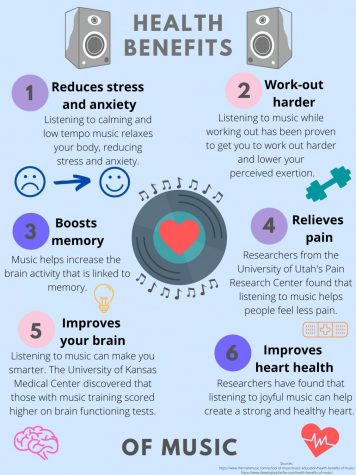
Although some of us may lack enthusiasm and may not benefit from musical activities, for many persons research studies have indicated opportunities for positive outcomes. Listening to music, singing, songwriting, and participation in dances can all provide relief from psychological distress while also being a buttress for emotional resilience and touchstones for building self-esteem. The off-loading of worries and concerns can generate a platform from which to establish buoyancy and vigour. Inclusiveness endorses self-worth for persons with additional educational needs, neurodegenerative diseases, or experiencing social marginalization. Music therapy has a significant role to play in mental health interventions, repairing ruptures in personal relationships, and assisting in recovery from abusive behaviour and trauma. It may also alleviate sleeping and nutritional obstacles and engender a basis for good brain health.
In recent years, there has been an awakening of the constructive part which the arts have to play in social prescribing on the topic of health and wellbeing for those who experience debilities, deprivation, and exclusion. Despite much progress in modern society, they have undergone circumstances which have eroded their confidence; they have become too cautious, defensive, and isolated. Anxiety and trepidation prevent them from cultivating an enriched lifestyle comprising advantageous friendships and recreational activities. Involvement in choral singing often gives rise to affirmative surges within a continuum of emotions. In practice, its powerfulness to transcend existing apprehensions and angst is truly remarkable. Participation can thrust unwanted sentiments away from sorrow and regret towards a consciousness of serenity and joy. A major benefit is the personal social-emotional experiences of self-control, insight, meaningfulness, responsibility, and the achievement of shared objectives. Collective endeavours can be targeted at overcoming feelings of stress and weariness, replacing burnout with tranquillity.

“Music gives a soul to the universe, wings to the mind, flight to the imagination and life to everything.” (Plato)
Acknowledgements and references
1. Wang, F., Geo. Y., Han, Z., and others (2023). A systematic review and meta-analysis of 90 cohorts of social isolation, loneliness and mortality. Nature Human Behaviour 7(8), 1-13.
2. Levstek, M. and Banerjee, R. (2021). A Model of Psychological Mechanisms of Inclusive Music-Making: Empowerment of Marginalized Young People. Music and Science, Volume 4. Published online by Sage Journals: 2021.
3. Thompson, N., Iyemere, K., Underwood, B. R., and Odell-Miller, H. (2023). Investigating the impact of music therapy on two in-patient psychiatric wards for people living with dementia: retrospective observational study. BJPsych Open: Published online by Cambridge University Press: 2023.
4. Särkämö, T. (2018). Cognitive, emotional, and neural benefits of musical leisure activities in aging and neurological rehabilitation: A critical review. Annals of Physical and Rehabilitation Medicine, Volume 61, Issue 6, pages 414-418.
5. Mabire, J-B., Bouaziz, N., de Malherbe, A., and Charras, K. (2022). Activities, Adaption and Aging (Dignified and Purposeful Living for Older People) Volume 47, Issue 4, pages 501 – 518.
Links to overviews of other potentially good practices for consideration:
- Good Practices: Ten Things to be Getting On With? https://improvingcareand.education/home/ten-things-to-consider/
- Good Practices: Collaborative Inputs from Professionals https://improvingcareand.education/home/professional-inputs/
- Good Practices: Good Mental Health among Carers https://improvingcareand.education/home/good-mental-health/
- Good Practices: Contributions from Voluntary Care and Support Groups within Local Communities https://improvingcareand.education/home/voluntary-care-and-support-groups/
- Good Practices: Mindfulness – How Might It Meet Your Needs? https://improvingcareand.education/home/mindfulness/
- Good Practices: Adopting a person-centred bio-psycho-social approach to enhance health and wellbeing for those experiencing dementia https://improvingcareand.education/a-person-centred-bio-psycho-social-approach/
- Good Practices: Walking Football https://improvingcareand.education/walking-football/
- Good Practices: Enhancing Brain Heath – biological research, technologies, lifestyles https://improvingcareand.education/enhancing-brain-health-biological-research-technologies-lifestyles/

Stigmatizing and marginalizing – education’s ongoing conundrum
There is a considerable overlap in what is generally understood by ‘stigmatization’ and ‘marginalization’ in education. The former may refer to having a mark of shame or disgrace which is associated with a particular quality or characteristic; the latter to being ostracized or regarded as an interloper or outsider. Both lead to exclusive practices in education. Often these occurrences are unintentionally influenced by the attitudes and decisions of officials, staff, parents/carers, or pupils. Depending on the context, there is what might be described as an ‘othering continuum’. It ranges from the likes of being demeaned through name-calling by classmates, inadequate advice, the spreading of malicious rumours on social media, and onwards to an extremity of embracing the mantel of hate crime, as for instance, physical assaults on minority groups.
Experiencing inequality and living in underprivileged circumstances gnaws away not only at a community’s social fabric but also increases the hazard of students feeling both alienated and powerless. To make matters worse, young persons and their parents and carers living in these environments may be cut off from support services and benefits to which they are entitled. There is need to recognise and accept that ill-judged and unsuitable educational experiences can contribute to apprehension and low self-esteem among learners of all ages. A key twofold aim of scholarship must be to eradicate stigmatization and marginalization and, in their place, to establish authentic inclusiveness. Flexible, individualised, pupil-centred programs to enable them to gain positive insightfulness regarding their worth and latent abilities can prove to be invaluable. When implemented effectively they can prevent pupils from being treated as scapegoats and objects of derision.
From the beginning of their lives, the sidelining and downgrading of individuals often arise due to features such as physical disabilities, accents, dyslexia, exceptional talents, unusual interests, mental health issues, and social deprivation. Some are experiencing a multiple of disadvantages. Those who have endured poverty from birth, adverse childhood experiences (ACEs), and other trauma-induced occurrences are often targets for ridicule and exclusion. The authentic uniqueness and social identity of children may be threatened and they risk being manipulated into adopting false self-images. Under severe pressure, perhaps related with mental health problems, the injured parties begin to believe that they are incompetent and without merit.
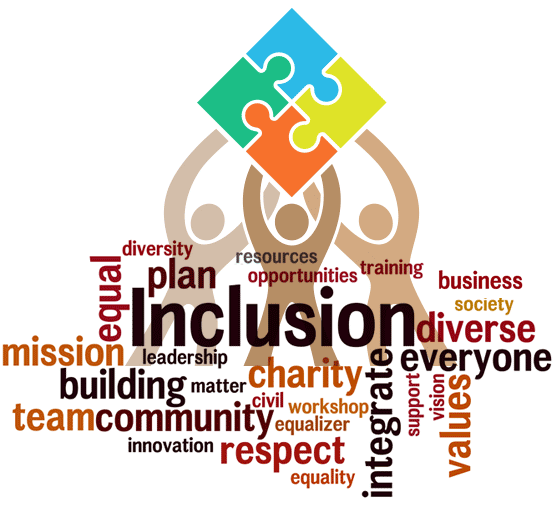
Identifying potential obstacles to the formation of inclusive education
Unsurprisingly, there is a variety of interpretations and expectations, some which at first might appear to be contradictory, of what inclusive education entails. Such variations can be found, not only on a world-wide scale from one country to another, but also across local authorities within the same nation. Of course, depending on where they live, children can have very restricted opportunities to attend school and many simply have no access whatsoever to a formal education. However, The Convention on the Rights of Persons with Disabilities (United Nations) in Article 24 on education declares that “Inclusion involves a process of systematic reform embodying changes and modifications in content, teaching methods, approaches, structures and strategies in education to overcome barriers with a vision serving to provide all students of the relevant age range with an equitable and participatory learning experience and environment that best corresponds to their requirements and preferences.” A follow-up report, this time by the Committee on the Rights of Persons with Disabilities, has been highly critical of the state of educational inclusiveness in the United Kingdom and there has been little evidence of significant improvement in recent years.
One perspective is that inclusive education is largely a matter of finding placements in mainstream schools and colleges for as many young persons as possible. This naïve tendency to deem inclusive education as little more than merely having ‘shared places’ disregards other barriers. Within a so-called ‘integrated school’, there can exist power hubs which exhibit ableism, classism, racism, and intolerance, with scant or no respect for diversity, equity, or inclusion.
Although educational establishments will wish to maintain a friendly and supportive environment, some staff, parents, and carers may feel that the presence of disadvantaged pupils will have a negative impact on academic standards. They might hold opinions of too much attention being paid to those who are less academic or consider them as being incapable of adapting to the school’s ethos. In today’s competitive society, families demand that their children have every opportunity to complete their school education with high attainments in national examinations in order to progress to their chosen university and then onwards to future well-paid vocations. Some would like to place their sons and daughters in independent schools but find them to be overly expensive. They agree that all should have a good education but, for some, not in their own children’s school.
Frequently, too much emphasis is placed on high levels of qualifications in national examinations by education authorities and school leaders at the expense of neglecting those students who are not suited to this way of thinking. This mindset is unfair and detrimental within modern society and realigns the curriculum on offer away from numerous learners. Currently, across nations, educational systems are failing in many ways. For instance, related data indicate that much has yet to be achieved to warrant that gaps in attainment and achievement are being addressed successfully (The Scottish Government, 2023). Often, comprehensive assessments of strengths and needs are of limited valued through links between schools and external support agencies being either unavailable or disjointed. Additionally, formal tests and assessment techniques have been used, and still are, to measure and record the intelligence and abilities, personality traits, and social competences of children and juveniles but, in practice, can be deficient in providing beneficial guidance. Failures to correctly identify pupils’ comprehension, skills and capacities will hinder approaches to learning and teaching. A diagnosis, such as for autism, may initially be helpful but without high-quality follow-up could turn out to be of little worth. It is unfortunate that inappropriate labeling is repeatedly used as a means or excuse for excluding young persons from mainstream education.
“Key tenets of the inclusive education agenda demand a weakening of the insulation between categories that are sustained and advanced by current marketised and standards-driven education systems.” (Walton, 2023)
An effective and compassionate approach to inclusiveness
Holders with accountability in education systems should be brave enough to undertake a reappraisal of current out-of-date structures and practices. Given the everyday insulation and obstacles mentioned in the previous section, it is reasonable to conclude that pathways from exclusion to inclusiveness should take cognizance of the following domains: (1) locational and environmental placements for learners; (2) social and communal relationships; (3) curricular experiences; (4) quality of assessment, learning, and teaching; (5) opportunities to gain relevant attainments and achievements; and (6) development of much more efficient professional collaboration within educational establishments and with external support agencies. Initiatives in these areas can build inclusiveness, foster independence and self-worth, provide apposite incentives for learning life skills, and guarantee training opportunities for entry into the world of work.
1. Establishing integrated learning communities within every authority: To be truly inclusive, pupils will have free and unrestricted admission to schools or what might be better referred to as learning communities. The hallmarks of such enterprises should stretch far beyond mere presence and easy access to premises; their design and amenities must also encourage full social participation and contain services and provisions which will boost physical and mental health, emotional resilience, and wellbeing. In practice, this entails being integrated as much as possible in mainstream education. Education authorities should not only acknowledge the entitlement and human rights of all learners but also monitor and confirm that these are fulfilled.
2. Social and communal relationships: Central to the concept of inclusiveness are feelings and experiences – on the part of all learners – which are characterized by empathy, approval, safety, understanding, and self-worth at the heart of welcoming schools and educational communities. For example, Haegele and Maher (2023) emphasize the importance of intersubjective experiences and wish to encourage “…scholars and practitioners to think about inclusion in more diverse and nuanced ways and that they actively endeavor to construct learning spaces that foster feelings of belonging, acceptance, and value among disabled students and their peers.”
3. Curricular experiences: The aim of ensuring that high quality support is accessible to all students to enable them to achieve their true potential is a noble one. However, by no means, is it an easy task. Designing tailor-made, progressive, learning modules within courses to facilitate students of all abilities to achieve success is a key approach towards worthwhile progression. Curriculums which are genuinely pertinent and contain choice, breadth, coherence, and relevance to match individuals’ needs and aspirations are of great value across every social grouping. Collaborative inputs must continue to develop a continuum of integrated courses and create more helpful ways of promoting academic achievements, practical skills, good physical and mental health, employability, ethics, citizenship, and standards of living. Often there are flawed assumptions of normalcy regarding didactic environments. These can lead to misunderstandings of pupils’ needs and a failure in not adapting teaching programs to enhance headway. Learners should not be expected to fit into a curriculum which makes little or no sense to them. Formulation-driven plans and neurodiversity affirmative frameworks, identifying and valuing individual differences, to ensure inclusive nuanced practices are required.
4. Assessment, learning and teaching: Using assessment strategies which identify both students’ strengths and their prerequisites for progress are beneficial and constructive. They inform and guide teachers towards implementing practical arrangements and alternatives of study which are well-matched to the specific needs of pupils. Use of new technologies, for instance online, blended, and hybrid procedures to enrich lessons, can add variety and a stimulus for greater involvement. Additionally, providing opportunities for staff to extend their pedagogical skills and ensure high-quality learning are essential. Continuing professional development will further increase confidence and proficiency to implement an all-embracing approach to helping those requiring additional enthusiasm to be more robust and resilient during periods of challenge. At times, well-judged interventions targeted on one impediment can also result in improvements in other aspects and be the beginning of a trajectory towards healing, security, and self-respect.
5. Progress and accomplishments: The recognition and certification of potential, attainments, and achievements are extremely significant and advantageous not only for individuals but also for families, local communities, and a state’s cultural and economic growth. Triumphs and successes are about much more than results in national examinations. To record and guarantee credit for progress and accomplishments, it is good practice to maintain a comprehensive profile covering: (1) outcomes of programs of study which have been undertaken; (2) aptitudes and competences demonstrated with regard to tasks, assignments, investigations and, if appropriate, during work placements and occupational training sessions; and (3) attributes and prospects pertaining to citizenship, relational skills, teamwork, giftedness, practical know-how, and participation in sports and cultural activities. For school leavers, the profile could be the basis of a personalised leaving certificate and, with students’ cooperation, include a section on their ambitions and plans for the future.
6. Effective professional collaboration: There is a pressing need for improvements in teamwork across social, health, educational and career services to facilitate the most disadvantaged in overcoming what can only be described as ‘institutionalized’ obstacles and hindrances to engagement within many aspects of modern living. Inclusivity must be our byword and long-term goal. Education which is wide-ranging and all-encompassing has the potential to transform inconsiderate condescension and regressive attitudes within educational establishments, colleges, and employers. Every pupil is important. Professionals need to listen thoughtfully to the authentic voice of students experiencing learning, emotional and physical problems, and their caregivers. To be implemented effectively, particularly in the case of critical incidents, the involvement of support agencies – psychologists, medical personnel, social workers – is crucial. Working collegially, their interventions should foster students’ independence and capability through enabling them to effectively evaluate and express their earnest views about their strengths, diverse requirements, and the qualities of educational facilities which are the most applicable for them.
Outcomes – Everyone can benefit
Within an inclusive ethos, a commitment to implementing targeted policies, planning and resources dedicated to combating unfairness and the harshness of current systems is an essential feature across formal, informal, and shared curriculums. Learners are not expected to ‘fit’ into fixed programs of study – rather their curricular experiences are shaped to ‘fit’ their needs. Syllabuses will have clearly-stated objectives which aim to overcome regressive and negative perspectives and instead will facilitate impartiality, responsibility, and chosen pathways for the advancement of knowledge and skills.
Good relationships with all those associated with a school is a key aspect of inclusiveness. Educators trained in worthwhile ways of communicating with families, carers, and relatives through the effective use of feedback, seminars, and new technologies greatly enhance relationships within the locality. By utilizing webinars and hybrid forms of communication, they embellish partnerships and feelings of engagement. Fruitful alliances with members of families and caregivers keep them well informed and confident to seek advice and assistance in times of difficulty. Receiving guidance from professionals can be valuable in easing the apprehensions of parents and guardians of young people experiencing disabilities or behavioural problems.
The professionalism and integrity of teachers will have the competences to augment ‘can do’ mindsets among learners through providing an optimistic, interwoven mix of choices, empathetic motivational learning, and shared leisure activities. Those with special responsibilities for guidance and pastoral care will ensure that there is a range of therapeutic options to match personalised needs and enhance self-confidence. The culture which prevails will place an emphasis on identifying suitable friends at school and developing interactive skills and camaraderie across the campus.
Inclusive, educational communities will have established close bonds with the full range of health practitioners, social workers, employers, and those delivering courses for apprentices. They also will have successful links with other external organisations – voluntary societies, friendship clusters, sports clubs, charities, voluntary societies, and so forth. These networks will guarantee involvement in events and, on occasions, ongoing assistance at weekends and during holiday and leisure periods. Within the campus, when appropriate, support agencies will have opportunities to oversee various beneficial interventions and strategies which can reinforce resilience and self-agency while enabling participants to build confidence and withstand challenging and threatening situations.

Summary and concluding comments
A truly inclusive educational community will present a wide schedule and choice of appropriate courses for all learners in its catchment area. These curricular packages will enhance potential, attainments, and achievements while also strengthening emotional resilience, understanding, compassion, and a readiness to cope psychologically with current and future stresses. The standard and quality of progress and achievements can be maintained, indeed, improved, while promoting an ethos of equanimity and social justice.
“… the achievements of every learner should be ‘recognised, valued and promoted’. All means all…” (Independent Review Group, 2023)
Stigmatization (the presence of denigrating attitudes and misguided labeling) is linked with marginalization (learners being isolated, pushed aside and neglected) and in turn results in exclusion (pupils feeling unwanted and worthless and, on occasions, being wounded and resentful). None of this is new. The history of education is littered with occurrences of what can only be described as a malevolent and institutionalized epidemic of discrimination, biases, and prejudices.
In contrast, working towards the establishment of genuinely inclusive educational systems demands collective action in addressing and eradicating of such forlorn factors. Changes in public engagement and the implementation of affirmative policies which promote pragmatic, constructive solutions for spreading a vibrant culture of togetherness are essential. Good intentions are not enough. Teachers will require backing and resources in bringing about meaningful and authentic advances. A philosophy of inclusiveness enables educators to generate collective action in the direction of a cultivated and learned society, fairness for all, and personal contentment among youths.
Further good news – there is some evidence that, with regard to public expenditure, inclusive provision may not be as costly as existing arrangements. “A fully inclusive education system in the UK might be more cost-efficient than the mixed-model that we currently have and in terms of ‘social cost accountancy’ may well improve collective mental health and wellbeing.” (BPS Communications, 2022)
acknowledgements and references:
1. The Convention of the Rights of Persons with Disabilities (United Nations) General Comment No. 4 (2016). Article 24: Right to inclusive education.
2. Committee on the Rights of Persons with Disabilities (United Nations) (2017). Concluding observations on the initial report of the United Kingdom of Great Britain and Northern Ireland.
3. The Scottish Government (2023). Scotland’s National Performance Framework (Published online)
4. Elizabeth Walton (2023). Why inclusive education falters: a Bernsteinian analysis. International Journal of Inclusive Education (Published online: 31 June 2023)
5. Justin A. Haegele and Anthony J. Maher (2023). Toward a Conceptual Understanding of Inclusion as Intersubjective Experiences. Educational Researcher, Vol. XX No. X, pp. 1-9
6. Independent Review Group (2023). It’s Our Future: Report of the Independent Review of Qualifications and Assessment (Published online by The Scottish Government)
7. BPS Communications (2022). Position Paper. The role of educational psychology in promoting inclusive education. (Published online: 26 April 2022)
8. The blog of David Watt (University of Glasgow) for a detailed focus on a wide variety of theoretical and practical topics relating to inclusive practices at: https://inclusivepracticessite.blog
9. Inclusion and Equity in Education: Key Principles and Characteristics at: https://improvingcareand.education/home/inclusion-and-equity-in-education-key-principles-and-characteristics/
10. An article on diversity, equity and inclusion at: https://improvingcareand.education/2021/07/11/diversity-equity-inclusion/

A satisfying existence
Inclusive living for people in need of care has a number of distinctive characteristics comprising: (1) living contentedly in the home or residence of their personal choice; (2) being able to easily access helpful facilities – health, social and third sector services, leisure and recreational activities, etc. – within their locality; (3) along with their carers, to be in a position to effectively evaluate how well circumstances are meeting all aspects of wellbeing and, if necessary, to be an “active voice” and a catalyst for change if conditions are unsuitable or rights have been violated.
In short, inclusiveness embraces a state of belonging, acceptance, and fulfilment within your home and surroundings. It is based on principles of human rights, equity, and empowerment. Naturally, there is a variety of interpretations, some seemingly contradictory, of what the specific features of inclusive living entails. This is only to be expected given the wide-ranging spectrum of disabilities and hardships to be considered and addressed. Throughout this article the focus has been on those living with dementia but in practice the proposed ideas and solutions have a far wider reach.
Stigmatization and marginalization
Stigmatization is linked with marginalization, and combined, they generate an assortment of social concerns. The former may refer to having a mark of shame or disgrace which is associated with a particular quality or attribute; the latter to being ostracized or regarded as an interloper or outsider. In modern societies, there exist insensitive, exclusive practices imposed on vulnerable groups such as those experiencing physical disabilities, epilepsy, menopausal difficulties, and mental health issues. These groups often share some of the same challenging experiences in their everyday lives – loneliness, defenselessness, neglect, unemployment, homelessness, and a sense of uselessness. Some encounter a multiple of disadvantages. To make matters worse, they may be cut off from support services and benefits to which they are entitled. Experiencing inequality or living in impoverished circumstances gnaws away not only at neighbourhoods’ social fabric but also increases the risk of inhabitants feeling wounded, irritated, alienated, and powerless.
Occasionally, previous acquaintances are unwilling or even afraid to talk to those with dementia or to accompany them to family or other social occasions. The use of both spoken or written language can result in ruling persons out from expressing their views and wishes. Sometimes, professionals ignore or fail to listen to lived experiences. Even in the presence of caregivers, they may ‘talk over’ those directly in need of guidance and discuss their conclusions with others. Failure to listen appropriately during decision-making occasions – whether during casual, face-to-face conversations, or formal meetings – can result in unwelcome or superfluous means of support. There is a need to change misguided attitudes and enhance forms of communication – listening, signing, talking, writing and so forth – to ensure that wishes and opinions are clearly understood by all parties.
Policymakers must give frank deliberation to the ‘active voices’ of all those requiring support and their families. Additionally, they should seek out what might be referred to as the ‘quiet voices’ of those who are not aware of their rights and benefits and make certain that they are treated with impartiality and justice. All means all; inclusivity signifies and augments the adding of value to people’s everyday lives.
“Being treated negatively by others and discriminated against, in other words experiencing stigma, is a common experience for many families of people living with dementia and has been identified as a global priority.” (Jen Bhatt, 2023)
Other obstacles to be surmounted
Differing progressive neurological diseases, along with other disabilities, can have an array of common barriers to overcome. For example, regarding dementia, these may include: long waits before a diagnosis; insufficient attention to follow-up and the monitoring of debilitating conditions; access to buildings and public transport; a lack of opportunities to engage in pastimes and community facilities; and anxiety and stress from the high cost of social care. The use of bespoke digital technology, as with personal alarms and social media, can be extremely helpful with appropriate training. However, many including older persons may not have sufficient funds to purchase the latest gadgets or not be skilled in the application of new developments. These circumstances give rise to problems, especially when individuals are expected to make use of technology for banking, managing home deliveries, paying bills, finding essential information, contacting family and carers, and interconnecting with agencies and professionals.
Without a clear picture of how effective current government programs are operating, it is extremely difficult to know if relevant improvements are being made in promoting a more caring society. Constructive policies to eliminate cycles of poverty can go far in reducing emotional remoteness while enhancing psychological well-being and mental health. It is incumbent that policy-makers require to accurately measure the impediments and obstacles to which those experiencing a wide range of ailments are subjected. A comprehensive method, accessible for public scrutiny, to systematically collect and analyze information and data is obligatory for monitoring progress and evaluating outcomes.
“To advance dementia care, we need to take a global view and learn from research and clinical practice across the globe.” (Clarissa Giebel, 2020)
The truth is that people are able, not only to survive but live well, with dementia or adverse conditions, particularly when they feel respected, valued, loved, and are provided with sufficient backing and encouragement. At times, well-judged interventions targeted on one impediment can also result in improvements in other aspects and be the beginning of a trajectory towards healing, security, and self-respect.
Pathways towards inclusiveness
Improvements to and the maintenance of the quality of local environments have a significant part to play in enriching daily joyful and fulfilling lifestyles. Welcoming and pleasant vicinities ensure: (1) wide-ranging opportunities to foster general health and wellbeing; (2) involvement in leisure groups – social outings, singing, choirs, dancing, and personalised programs to extend social competences; (3) engagement in sporting and recreational activities, as walking, bowls, and gardening to enhance fitness and friendships for all ages; (4) therapy groups to build confidence and self-esteem; and, (5) for some, support in their workplaces. Inclusiveness and autonomy can be enhanced when carers ascertain potentially useful tips and advice on topics such as making supportive changes in the home, improving safety and security, and engaging with service providers (The Scottish Dementia Working Group, 2024). Moreover, as indicated already, training in the use of well-chosen technology and social media has ushered in many ways in which care services can be delivered and people can extend their independence, self-care, and involvement in local clubs and associations.
The distinguishing features of current living residences can be examined in terms of differing aspects – location, resources, ethos, professional collaboration, safety, welfare – across a very broad spectrum. These might include: hospitals – generally not fitting for prolonged stays and can result in bed-blocking due to poor planning and inadequacies in social care within authorities; hospital at home – this refers to supporting and treating persons who require medical services to have multidisciplinary treatments in the familiar surroundings of their own homes- for many, it will provide greater satisfaction and a better quality of living than occupying a space in hospital away from family and friends; care homes – these vary greatly as regards quality and fitness, can be very expensive, and may cause unwarranted separation from loved ones; local specialist centres with integrated health, social and therapeutic facilities; the village model with clusters of interspersed premises enabling care staff to offer collective services; ‘live-in’ care arrangements for elderly couples and supported through aid and supervision by visiting care workers; a part of or an extension to the family home being used as living quarters for infirm parents and sometimes lovingly referred to as ‘granny flats’; in urban areas, ‘life in the high street’ apartments on ground premises or sheltered housing which affords easy access to shops and recreational facilities with their caregivers, perhaps other members of the family, able to visit them on a regular basis.
There are other examples, with reference to benchmarks on a continuum from excellent to unsatisfactory, to be found across authorities and nations. (See Footnotes below relating to Alzheimer Scotland, 2024.) Meticulous investigation is necessary before an evaluation on their appropriateness is reached. I suspect that the most desired one for many basically may be some kind of arrangement for living happily in their own suitably-adapted home, near family members, while also receiving or purchasing a high standard of external assistance as and when required. Moreover, for an elderly couple, rather than paying for two places in a residential care home, it could be much more cost-effective and fulfilling.
When premises are being refashioned, it is vital that specific preconditions are carefully assessed and that the opinions of those requiring support and their carers are taken into account. Consideration of both interior and external architecture is important when new buildings are being constructed or older ones are being adapted to expedite the everyday activities which residents require: distinct aspects of safety; digital access and support; provision for wheelchairs; hand rails on entrances; and walk-in showers; to mention a few. Attention to detail will bring to fruition the twofold aim of facilitating independent living within households and, at the same time, ensuring that access to participation in preferred events is available.
As regards undertaking alterations, some serious exploration may be apposite as it is often wise to “…remember, designing or adapting your home isn’t a single event – it’s a process, and you’ll learn over time what does, and doesn’t work for you.” (See Footnotes on DesHCA Designing Home for Healthy Cognitive Ageing, consulted 2024).
Concluding remarks
All citizens have the right to live freely and contentedly. This is a straight-forward remark to make but, in practice, it is a complex and worldwide challenge which demands considerable planning and human ingenuity to achieve advancement. Stigmatization and marginalization of the disabled and less fortunate must be opposed. It is totally unacceptable that vulnerable and innocent persons can be treated as scapegoats and objects of ridicule. There is a moral imperative to work towards equity and optimal lifestyles for everyone. However, it would be foolish to expect that a ‘one size fits all’ solution will be discovered. Rather, well-managed approaches which identify and address both obstacles and prerequisites will underline the most advantageous pathways towards genuine inclusive living. Effective, person-centred strategies will take due account of the wishes and suggestions of those in need of specialised inputs and their caregivers.

“We know that social isolation and loneliness is bad for our health, both mental and physical. It is essential that we recognise who in society is most affected and focus our efforts to tackle these inequalities.” (The Scottish Government, 2023)
Footnotes
An interesting way of grouping alternative models of long-term care can be found in Appendix 2 of the Commission on the Future of Long Term Care in Scotland report (Alzheimer Scotland, 2024). These are: (1) specialist housing (2) small-scale living (3) collaborative housing (4) shared lives (5) care villages (6) care complexes/campuses (7) day services (8) home care (9) future-proofing/inclusive living.
For details on implementing interior and outdoor alterations, you may wish to consider ideas on the website http://www.deshca.co.uk in particular: Designing for Lifetime – Tips and Tricks for Creating a Home That Supports You. (DesHCA Designing Homes for Healthy Cognitive Ageing)
A related blog on the potential benefits of community support in action is at: https://improvingcareand.education/23/02/07/community-support-in-action/
References
1. Clarissa Giebel (2020) Current dementia care: what are the difficulties and how can we advance care globally? BMC Health Services Research (Published online: May 2020)
2. Jen Bhutt (2023) Carers of people living with dementia experience discrimination. UCL News 6 January 2023.
3. The Scottish Government (2023) Social isolation and loneliness: Recovering our Connections 2023 to 2026.
4. Alzheimer Scotland (2024) Commission on the Future of Long Term Care in Scotland report
5. DesHCA Designing Homes for Healthy Cognitive Ageing (consulted 2024) Designing for Lifetime – Tips and Tricks for Creating a Home That Supports You
6. The Scottish Dementia Working Group (2024) Our “Top Tips” for living well with dementia
Frank O’Hagan
From the mouth of the innocent
The scene was primary school pupils leaving for home at the end of lessons. Amid the happy mayhem, I heard a young pupil making a remark which I instinctively felt was down-to-earth and yet profound. It went something along the lines of ‘Ms Wonderful says that she is a strict teacher but only firm so that she can help us to make good progress in our work.’ This straightforward, unfussy comment was both honest and heartfelt. My immediate, unexpressed reaction was a feeling of admiration for the teacher who had conveyed her message candidly and convincingly, and also for the pupil who appreciated what she was trying to achieve.
Unfortunately, life in school is not always so lucid and clear-cut. As a general rule, troublesome or disturbing acts obstruct two key aspects of the raison d’être of any school, namely, effective teaching and meaningful learning. Few, if any, educators will disagree with the proposition that deliberate inattentiveness and hindrances, as well as being stressful at times, are detrimental to pupils’ progress. Though a brief, sincere word of advice delivered in a direct and thoughtful manner is often enough to resolve an issue, there are occasions when more interventionist styles of action are appropriate.

What are the problems?
Disruptions and/or distractions can take many forms. Normally, they are at a mild level in terms of disturbance or perhaps are intended as humorous interruptions. However, inattention, daydreaming, a series of ‘micro-interferences’, belligerence, or defiance are often problematic as far as classroom management is concerned. It is a gloomy and distressing fact that many teachers are subject to unacceptable verbal remarks or even physical assaults. Inclusiveness demands that all pupils are afforded suitable learning contexts to enhance their abilities and interpersonal skills. Inadequate prior assessment of their additional support needs and poor decision-making regarding placements have given rise to unnecessary challenges for staff since the beginning of formal school attendance. There is no reason as to why such incompetent practices might be ignored or escape further scrutiny.
Similarly, bullying among pupils is an on-going concern which can give rise to longer-term consequences, though in different ways, for both victims and aggressors. It has taken on a new and insidious manifestation in the practice of cyber-bullying which cannot be fully resolved without a sense of empathy among pupils and the cooperation of parents. Children and adolescents may also exhibit unusual or harmful dispositions perhaps through poor self-image, anxiety, stress or abuse. Their distress should not be overlooked.
Regrettably, an insufficient lack of interest and inspiration among some pupils about the aims and values of education is what may lie behind the reason for inappropriate responses to tutoring and coaching. Schools thrive on keen and committed learners. Senior managers need to ask ‘Is the concept of the ‘motivated school’ being taken seriously enough by those in positions to bring about improvements?’ Creating drive and allegiances should be endorsed, planned and implemented through refreshing, evidence-based routines. Though staff can benefit from workshops, such as on generating enthusiasm, they also need time and resources to identify their existing strengths in this area and to build on them.
Home-school-community links
All forms of untimely or distracting behaviour should be considered with regard to the context in which they occur. For instance, it is not always realised that in many cases children whose conduct is considered to be undisciplined during lessons are happily settled at home. Conversely, other children who are the cause of difficulties for their parents can be regarded as polite and well-behaved while at school. For the latter group, school may be acting as a safe and peaceful haven and providing them with a break from a chaotic familial atmosphere. Another example in secondary education is the occurrence of pupils behaving inconsistently across various departments, perhaps due to learning difficulties or a disinterest in specific topics. In differing social neighbourhoods, pupils can attribute dissimilar opinions about the subjects available to them. Investigating and comprehending contextual differences are helpful in comprehending and amending behavioural patterns.
Trouble associated with schools often has an impact within its surrounding locality. Well-established connections and good communication procedures for families and the wider community are practical ways of identifying and settling potential intractable issues. On occasions, it will be fitting to sensitively offer solutions regarding particular concerns or to jointly explore in depth how matters can be resolved with parents, guardians and other interested parties. Openness and transparency ensure that staff’s efforts towards building a productive learning environment and eliminating needless disorder are met through agreement, cooperation and backing.
“Behaviour is always greater than knowledge because in life there are many situations where knowledge fails but behaviour can still handle.” (Anon)
Behaviour management within educational establishments
It is generally recognised by the public that personnel in schools, besides their formal responsibilities, have important on-going roles to undertake in addressing and ameliorating their students’ respective burdens and afflictions. A primary school teacher may be the first professional to observe instances which indicate that a pupil is in distress. If vulnerable pupils need protection and succour, it regularly falls to nominated persons to take matters forward. Research indicates that it is in the best interest of pupils – whether perceived as troubled, troublesome or in danger of harm – to assist them to overcome latent anti-social tendencies or mental health burdens as early as possible.
A wide selection of methods in responding to behavioural issues can be found. These include:
- formal advice and guidance from trained staff to aid pupils in addressing their emotional and social needs
- planned sessions with counsellors to explore and resolve afflictions and anxieties
- classroom strategies to upgrade performance in class often covering: (1) antecedents which lead to difficulties; (2) encouraging behavioural change; and (3) tracking results/consequences (see the example in the appendix below for one possible scenario)
- contracts agreed among pupils, parents and schools which outline realistic, positive goals which are expected to be achieved within a set schedule; these targets may need to be presented in writing to avoid any ambiguity and to clarify how they will be evaluated, and
- the implementation of restorative practices to help acknowledge and repair the hurt caused to others and to promote positive discipline – if all goes well, outcomes can prompt expressions of regret or remorse, cultivate a deep disapproval of wrongdoing, and boost competency and empowerment in finding constructive resolutions.
There is always a danger that behaviour management can place too much emphasis on a punitive approach. Pupils are unlikely to respond willingly to what they judge to be condescending and patronising remarks or sarcasm. This is not to assert that there is no place for well-planned forms of reprimand provided that objective assessments have been made about their fairness, effectiveness, and aftermath. However, depending on the attitudes and temperaments of pupils, punishments can be fruitless and counter-productive. Frequently, a structured system of rewards can be much more beneficial in terms of moderating and lessening misconduct.
A focus on personal, social and emotional welfare
In matters relating to the health and wellbeing of their students, teachers would much prefer not to have to deal with disobedient or boisterous activities. However, they recognise the value of being focused on making the best use of their expertise in enabling all pupils to develop their individual attributes, abilities, and vocational skills. Within both the formal and informal curriculum, many examples of valuable routes towards fostering pro-social and empathetic attitudes and manners are evident. Cross-curricular projects can be found which promote a deeper comprehension and understanding of relationship-building, emotional intelligence, communication skills, teamwork, healthy nutritional habits, recreational pastimes, and employability.
Additionally, there is a wide variety of ‘teach not tell’ approaches and topics presented in timetabled lessons which may include presentations from visiting contributors such as the police, social workers, psychologists, former victims of substance dependency, and representatives from charitable associations. Collaborative efforts may necessitate consideration of complex features within the home or school and so take different accommodating strategies when applied in everyday situations. All these educational inputs have the capacity to be potent and beneficial influences in shaping and sustaining happier and more contented lifestyles.
Undoubtedly, the labelling of pupils such as ‘troublesome’ can be futile and, at times, even have a harmful impact with regard to their mental health. The simple truth is that many pupils need some assistance in discovering how to learn correctly and to make the best of the chances which education provides. Others will require significant support to find ways and tactics for improving their interpersonal competences. A constructive approach is to identify the causes of specific unruly behaviours and seek affirmative interventions. Such endeavours on the part of educationalists call for professional skills to facilitate and fulfil learners’ potential and to enhance their sense of belonging and connectedness.
There are unquestionably real and present hazards associated with the misuse of suspensions, exclusions, isolation rooms and off-site units. For example, exclusions could lead to interruptions in the acquisition of familiarity and knowledge in curricular subjects. In turn, such negative incidents may result in a lack of qualifications and damage to a youth’s future expectations. Nonetheless, in exceptional circumstances, young people may find themselves in specialised learning environments, specifically because of the on-going problems they are experiencing. For them the twin objectives of assimilating the transformative intentions of their new educational setting and of making advances in personal and academic development are of vital importance. Steady progress can result in successful re-integration within mainstream education. If this is not practical, then steps must be taken to guarantee that they have good opportunities to adopt a wide range of life skills and, when apposite, to engage in worthwhile vocational training. If successful, these prospects hopefully will equip them for meeting the systemic barriers which they may face in adulthood. At all times, the tenets of equity and inclusiveness should be regarded as paramount and be efficiently employed.
“People’s behaviour makes sense if you think about it in terms of their goals, needs and motives.” Thomas Mann (1875-1955 – Nobel Prize in Literature Laurate of 1929)
Concluding remarks: promoting positive behaviour, collegiate leadership and ethos
Leadership does not lie solely in the hands of a head of an organisation or of those of senior managers. Their contributions are very significant, but should allow everyone associated with the educational community to have valuable initiatives and feedback to make. Democracy and genuine collaboration must be hallmarks throughout the workforce and have a noteworthy influence in the maintenance of a pleasant and supportive culture.
The elements of first-rate collegiate leadership include: (1) articulation of a shared purpose across the campus; (2) listening to the voices of the complete school population; (3) the promotion of both moral principles and high achievements; (4) recognition of and skills in dealing with triggers for discontent; (5) assured teamwork at every level; and (6) the delivery of outstanding personal, social, emotional and behavioural support for all. Outcomes include engagement, optimism, self-esteem, and insight into the perspectives of others including those who feel disenfranchised. Within a caring climate, students are enticed to buy into rules, routines, and collective values if these can be seen by them to be sensible and purposeful. However, if too much emphasis is focused on individuals and not on the school in its entirety, then the key facets of social cohesiveness, harmony and solidarity can be overlooked.
A central theme running through this article has been that much depends on the quality of the ethos of the school. Through establishing a milieu which fosters social responsibility, trustworthiness and respect for others, young lives can be transformed. It can strengthen learners’ willingness to remain on a steady trajectory towards better and happier times. All learners can find their niche and be at peace with the establishment’s management and regulations and, importantly, with themselves. In the long term, it is society as a whole which benefits through the enrichment of interpersonal and communal wellbeing.
Appendix
For consideration and discussion: An abbreviated behaviour management model on how social skills could be enhanced within the classroom
Note: This particular approach consists of six consecutive stages which can be envisaged as a ‘cycle towards improvements’. It can operate effectively when teachers have responsibility for a class or group on a continuous basis. In secondary education, when pupils have a multiplicity of subjects, suitable modifications under the vigilance of a named member of staff will help to maintain a consistent, integrated plan of implementation. Of course, it will not be suitable for all pupils or all occasions.
Firstly, the teacher identifies what specific aspects of behaviour are unacceptable (for example, bullying another pupil or constant inattention during lessons) and the circumstances which can give rise to their occurrence. She records the antecedents leading to disruptive conduct which are to be avoided.
Secondly, positive behavioural characteristics are noted and reinforced through praise/reward while ensuring that the rationale for plaudits is transparent to the recipient or group. Frequently, it is useful not to select many behaviours and, in more serious circumstances, perhaps only the most pressing one.
Thirdly, it is regularly made clear to the pupil or pupils what is expected and the reasons why such targets are important to them and others. Cognitive awareness and ownership on the part of pupils regarding changes for the better are highly desirable.
Fourthly, all those involved in the process – pupil(s), teacher(s), parent(s), guardian(s) etc. – should be fully aware of how targeted progress is to be monitored, evaluated and rewarded. They also ensure that they respond in a consistent and joined-up fashion.
Fifthly, the social skills which have been learned should continue to be reinforced – through, as appropriate, recognition, praise and rewards – until they are patently and reliably being sustained.
Sixthly, if there are other disruptive or oppositional features which require attention, plans are made to work through the cycle once more, perhaps introducing new successful incentives or alternative approaches which have become apparent from earlier work.
(Upbeat, but cautious: Beware of what I refer to as the ‘Sisyphean trap’ of finding oneself to be endlessly repeating the same strategies over and over again without making any recognisable progress. Remain positive and open to fresh ideas.)
(Dr Frank O’Hagan previously was the Adviser of Studies to Bachelor of Education students at the University of Strathclyde. Later, he was a member of Her Majesty’s Inspectorate of Education.)
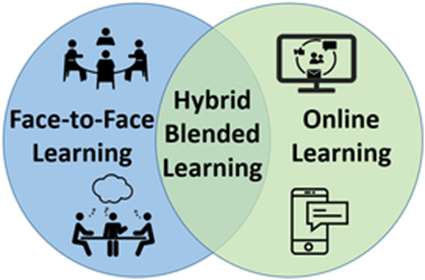
Frank O’Hagan
“The web as I envisaged it, we have not seen it yet. The future is still so much bigger than the past.” Tim Berners-Lee (Inventor of the World Wide Web)
Distinctive aspects of meaningful learning
Authentic learning is a complex and multi-faceted phenomenon. Key features for children, adolescents, and adults, regardless of their ages, abilities or social backgrounds, comprise: (1) feeling valued and respected within well-planned and stimulating tutorial sessions and other inspiring settings; (2) being able to listen, pay attention and take account of the ideas, suggestions and advice of trusted friends and teachers; (3) developing versatility in comprehending instructions and tasks; (4) responding appropriately and imaginatively in differing situations; (5) having the self-belief and confidence to contribute in both individualised and group activities in order to achieve worthwhile attainments and achievements; (6) participating enthusiastically in creative and lateral thinking, experimentation, problem-solving work, and independent computer-based and online seminars; (7) personalising approaches towards scholarship and erudition while accepting that at times learning can be challenging and needs to be perceived as an essential, life-long process; and (8) embracing a culture which is value-based and promotes the acquisition of useful knowledge, in-depth perception, and an array of transferrable skills for everyday living in a changing world.
“Study without desire spoils the memory, and it retains nothing that it takes in.” Leonardo da Vinci (1452 – 1519)
Online, hybrid and blended learning and support
It follows that online, hybrid and blended learning, when used appropriately, incorporate relevant aspects of the eight characteristics, outlined above. In doing so, they deliver a variety of ‘psychologically enriching’ experiences which are informative, practical and life-enhancing. Their efficient usage has much to offer in what teachers can arrange and undertake in a flexible manner to encourage greater insight, reflection, and resourcefulness among their pupils. As in other matters, the saying “Crises breed opportunities” applies to learning and teaching. This is evident as when digital innovations are put to good use for young persons in periods of misfortune, for instance, during illnesses, travel restrictions or a pandemic. Teachers also may want to avail of technological applications when students, for whatever reasons, are unable to attend lessons, wish to learn outside of school hours, or request guidance prior to important examinations.
The terms ‘online, ‘hybrid’ and ‘blended’ are to be found described in slightly different ways. For the purposes of this post: online simply refers to methodologies which only take place online; hybrid denotes that some learners are physically in attendance while others are online but perhaps, now and then, use is being made of both styles; and blended indicates a combination of conventional teaching or training with members present along with online/e-learning also being employed to extend accessibility, independent contributions and flexibility.
Although available in many forms and guises, each methodology can be effective in promoting scholarship and boosting individual and public participation. They include: networking within lessons, seminars and lectures organized by schools and other educational establishments; linking with data bases, libraries, and websites by way of the internet to undertake research and ascertain relevant information; partaking in one-to-one learning support; enrolling in remote conferences; and perchance delighting in illuminating experiences via immersive involvement in virtual spaces.
Depending on circumstances, these approaches can be utilised in a wide range of locations – in everyday, instructional environments; in the home of a person receiving assistance through a social media platform and, if necessary, in the presence of a tutor; in public co-learning hubs to help overcome a sense of isolation or to benefit from collaboration with other students; in work places for apprentices; and in hospitals for the infirm, to name but a few. There is little doubt that online, hybrid and blended learning, and the meaningful exploitation of assistive technologies, can achieve much in fostering a sense of achievement and self-esteem among educators and those eager to extend their know-how and skillsets.
In all situations, high-quality oversight is paramount to ensure that programs of study meet specified standards and levels of capacity in order for learners to engage and make progress. No participant should be expected to ‘fit’ into curricular boxes. Rather, what is on offer ought to match stages of development and accelerate everyone’s advancement. When truly efficacious, these methodologies create a synergy which challenges recipients to think beyond what is being taught and to seek self-directed routes towards a deeper understanding and perceptiveness.

Advantages and, unfortunately, some possible shortcomings
As indicated already, technological innovations have the facility to improve management regarding the prearranged pace and presentation of contents in lessons while affording more control over unwelcomed interruptions and disruptive behaviours. (You will appreciate the latter point if you have encountered an unruly classroom!) However, there may be impediments to estimating learners’ levels of engagement and motivation, especially if they inhibit access to their responses and feelings. Such reactions give rise to difficulties in observing and judging facial expressions and other forms of non-verbal feedback.
“Once a new technology rolls over you, if you’re not part of the steamroller, you’re part of the road.” Stewart Brand (Author)
Teachers may come across products which publishers are masquerading as motivational and wholesome while in practice they are inadequate. This negative feature arises because many software packages for online learning have not been sufficiently evaluated prior to release. Care is vital to ensure that those being used have some form of evidence-based validation. However, despite potential drawbacks, utilising suitable in-school and commercial computer platforms will successfully convey key facts and information to boost effective learning. Very importantly, well-designed programs also augment inclusive practices through the delivery of bespoke ‘spiral curriculum’ pathways to assist learners, including those with substantial needs. Examples exist within a wide range of areas – the acquisition of skills in reading and writing, mathematics and social arithmetic, the arts, business, and so forth.
Well-judged use of applications (‘apps’ in ‘cyber speak’) within an operating system offers users an array of specific opportunities to deepen their knowledge and competences. Clearly, there is no need for learners to be always in a class or laboratory, particularly if they are unwell, reticent, disabled or unable to follow the contents of a course. For diverse reasons, ‘digital travel’ as opposed to ‘physical presence’ often results in a welcomed endorsement of responsibilities and independent study. Virtual meetings do much to encourage cooperation and networking across interest groupings. Moreover, therapeutic inputs – through carefully selected psychological procedures – have salutary and beneficial roles to contribute in reducing anxiety and enhancing wellbeing.
Recent developments have enabled learning communities to involve parents and caregivers in observing and, if appropriate, taking part in lessons. Likewise, they have simplified liaison by the sending of private messages and/or results on children’s progress. Online appointments facilitate ‘remote attendance’ at events and can overcome obstacles and constraints when stakeholders are under pressure from packed family schedules. More generally, custom-made websites are being used to keep everyone up-to-date by publishing news items and bulletins. They also have a part to play in providing advice and guidance on matters relating to health and welfare linked with collaborative work being undertaken by professionals, such as social workers, therapists and psychologists.
Concluding thoughts
To briefly summarise – online, hybrid and blended approaches contribute greatly to our capacity to create and deliver new, exciting gateways within schooling and the world of work. They reinforce both personalised and cooperative learning and eradicate any remaining myths concerning ‘one-size-fits-all’.
Advances include: (1) openings for educationalists to share ideas, good practices and ‘what works’; (2) easier admission by young people to lessons, seminars, training prospects, and formal apprenticeships; (3) greater flexibility in taking account of learning contexts, living conditions, and everyday experiences; (4) a range of high-quality options to record, monitor and review achievements and to offer reassuring feedback; (5) a better focus on addressing requirements arising from disabilities or additional support needs; and (6) privacy for sick, anxious, reserved or reticent individuals.
Future constructive growth will: (1) extend ‘open’ scholarship; (2) stimulate a genuine culture of connectedness across inventiveness, innovation and research; and (3) enhance communal equity and inclusiveness. Within this on-going expansion, it is crucial that marginalised groups have the necessary resources and assistance to be fully engaged. Otherwise, they will fall further behind in not having access to beneficial didactic and training opportunities. Undoubtedly, there is a duty on governments and authorities to sweep away stumbling blocks and to bring together willing and talented parties to generate significant, collective improvements.

For a related article on the topic of “Promoting Authentic Learning”, please use the following link: https://improvingcareand.education/2021/04/18/authentic-learning/
Frank O’Hagan
Aims
The consequences for carers being occupied in meeting the daily demands of their routines and household duties, often both hectic and nerve-wracking, require close attention. Problems may include low self-esteem, stress, anxiety or depression. Let’s face the grim fact that social care has been neglected, locally and nationally, and is in need of urgent reform. Be sure to access and consult civic authorities, websites and other sources of information to remain well advised and updated. It is crucial for you, and persons for whom you are caring, to be fully notified about mutually agreed plans, formal procedures, financial entitlements, and available resources. (As one dedicated carer who had tried hard to seek advice remarked, “You don’t know what you don’t know.”)
Overall, there has been a lack of means and relevant occasions – for both caregivers and persons in need of care – regarding the organising of training sessions and the managing of social activities. Nonetheless, there are many examples of a very high standard to be found. Improving and extending opportunities for carers, not only to engage in boosting their knowledge and skills, but also to have time for relaxation and for completing essential chores are among the many aspects of importance calling for scrutiny. A collective challenge must undoubtedly be to identify best practices and to replicate them across communities.
The main objectives of this brief article are to encourage caregivers to: (1) seek out the various helpful facilities which exist in their localities; (2) evaluate how applicable they are as regards meeting the personal, emotional and social needs of those for whom they are caring; (3) make sure that the necessary steps are specifically included within care plans in order to attain the most relevant and appropriate provisions; and (4) foster cooperation along with colleagues, charities and altruistic associations in publicising examples of wholesome interests and schedules which enhance enthusiasm, wellbeing and inclusiveness among those in most need.
Some examples of communal involvement
Information and training events – It is imperative that, from the initial stages of assuming their responsibilities, carers enquire about and ascertain the full range of professional and voluntary facilities which are available to assist them. They must not hesitate to take the necessary steps to ensure that they are given expert advice and detailed facts about amenities and opportunities for well-targeted instruction. When possible, listening to and learning from the experiences, tribulations and successes of others can be extremely advantageous. By making good use of relevant organisations and websites, there are openings to remain apprised about beneficial interventions and projects. It also is important that caregivers are considerate and thoughtful as regards their own general health and welfare.
Friendship gatherings – Since the time of Samuel Smiles (1812-1904) there have been many publications, and more recently items on social media platforms, emphasising the importance of self-help. Given the dangers of burnout and ‘compassion fatigue’, carers ought to safeguard times for resting, investigating and fact-finding. Regular get-togethers, perhaps even timetabled coffee and lunch appointments, not only possess the capacity to strengthen camaraderie but also to be instructive and empowering. They create platforms for conversation and debate within safe and casual settings. In a real sense, they incorporate the characteristics of informal counselling and learning, resulting in constructive perspectives and insights on the problem-solving solutions which have been adopted by acquaintances.
Social outings –– Visits and day expeditions can offer periods of leisure and respite. They also may be convenient for sharing ideas and considering future collaborative enterprises and networking. However, caregivers may find it difficult, even be affected by a sense of guilt, when they leave on an excursion without those whom they support. Good planning, including timetabling and suitable cover for their dependents if not in attendance on a trip, is vital. Three brief illustrations: (1) a national charity arranges a bus journey for carers to visit and enjoy afternoon tea in a historical building, allowing time to appreciate the congenial surroundings, make new contacts and discuss concerns; (2) volunteers from a local church energize bonds within their care group by means of undertaking a soothing and interesting voyage by barge on a nearby canal; and (3) professional trainers set up a series of outdoor walks in tranquil, open spaces to raise spirits and give time for meditation.
Recreational activities — Commendably, accessibility to engage in their preferred forms of recreation – at their own individual levels of ability and within a friendly atmosphere – are now available in a wide variety of locations for those experiencing physical and mental disabilities. These include rambling, gardening or working in allotments, dancing, bowls, tennis and other pursuits. For example, the advent of walking football has provided refreshing possibilities for exercise and involvement at sports centres and outdoor facilities. Since its introduction, it has gained in popularity for persons with ailments, such as poor coordination. It has a set of rubrics which, for those requiring additional aid, can be applied in a flexible manner to suit the competences of participants and their prevailing conditions.
‘Tech talk’ – In recent years, there has been an explosion of ways in which the proficiency of social care has been developed through a variety of differing technologies, including pertinent searches on the internet. Joining coaching sessions, served by a facilitator skilled in handling software, holds the potential for learning about the advantages of a wide range of assistive devices. Efficient applications of technology offer much by way of discovering how assistance can be undertaken in a flexible, individualised manner. It is not surprising that caregivers often feel that they form a hidden and neglected community. Technological innovations present chances for enhancing security, strengthening inclusiveness, stimulating a genuine culture of companionship, and making learning and training occasions much more rewarding and straightforward.
Mindfulness — There certainly appears to have been a boom in the attractiveness of mindfulness as a pastime in modern society. As an activity, it has much in common with Buddhist and meditational traditions and is associated with the development of general wellbeing among both individuals and groups. It helps to ensure active, continuous, unrestricted and non-judgmental awareness being fully maintained from moment to moment. Participation in shared gatherings takes many forms depending on circumstances. A desired aim is to guarantee that everyone is in a good position to engage as fully as feasible. Supporters emphasise its usefulness in cultivating positive feelings and in alleviating various unwanted problems such as anxiety and stress. Both relevant guidance and well-directed assistance are recommended in order to reap the full benefits of its usage. As with other therapeutic methods, mindfulness is not necessarily suitable for everyone. My personal opinions about the practice are not intended to suggest that it is a panacea for all situations or challenges.
Sporting memories — There are various kinds of group activities which focus on a combination of connectiveness, conviviality and personal recollections, specifically devised for older people who are experiencing some form of memory loss. These include: ‘football memories’ – with a focus on past football personalities, matches and associated occurrences which can be recalled and, as accustomed among enthusiasts, eagerly debated; and ‘a whole new ball game’ – a similar entertainment and interest only that it covers a wider choice of sports, for example, golf, hockey, rugby as well as football. (Stories from bygone days may turn out to be quite hilarious – a well-known character playing hockey with a cigarette in his mouth!; a goal keeper with cans of alcoholic drinks propped up beside a goal post!)
Musical moments and movements – It is no surprise to come across occasions when singing and dancing are periods of delight for both carers and those in their guardianship. For instance, membership of a choir and presence at a concert or pantomime may evoke very blissful and/or nostalgic reminiscences. Joint games, such as ‘name that tune’, can be arranged to encourage discussion and teamwork; karaoke and dancing to inspire individual or collective performances; and quizzes to foster recall of favourite gigs and musicians. One ambitious event witnessed was an online transatlantic competition – a version of ‘juke box jury’ focusing on British and American pop groups and their hit songs – between teams from USA and Scotland.
Further references —
A related article, entitled, ‘Good Practices: Ten Things to be Getting On With?’, at: https://improvingcareand.education/home/ten-things-to-consider/
For a more detailed post on “Technology at work on behalf of persons being cared for and their caregivers”, please use the link: https://improvingcareand.education/2022/10/25/technology-at-work-in-social-care/
For more detailed comments on the topic of mindfulness, please use the following link: https://improvingcareand.education/home/mindfulness/

For more detailed comments on the topic of walking football, please go to the following link: https://improvingcareand.education/walking-football/

Acknowledgements
Although the views stated in this article are my own, I am very much indebted to committed field workers who dedicate so much of their time to helping and advising caregivers. In particular, I wish to thank: Anne O’Donnell, Jo Berry, Katy Green, Douglas Kenny, Neil Stobie and Drew Wilson.
On “Duplicating examples of positive practice” – “Many of our participants shared examples of local practice that are positive and make a difference to their lives. Most people felt that it was important to learn from these examples and understand more about what makes them work well in order to spread them around the whole country. People felt that there were missed opportunities through failing to replicate the best practice on a larger scale and developing the services that work well.” Quotation from the Alzheimer Scotland Public Engagement Response (December, 2022).

Frank O’Hagan
Enhancing skills in a time of change
In recent years, there has been an explosion of ways in which information can be shared and learning strategies developed through a variety of differing technologies, including the effective use of the internet. Caregivers of all ages have been enabled to engage, in a positive and motivational fashion, by utilising new modes of learning and caring. While children and adolescents are honing their technological expertise from their very early years, many in older generations are becoming more aware of the necessity to acquire pertinent competences in order to participate meaningfully in their increasingly digitalised communities. It has become imperative to establish a feasible and balanced approach in the usage of technology to bring about more nourishing and empowering lifestyles for our most vulnerable citizens.
Modern technology has much to offer by way of what social care personnel can arrange and undertake, in a flexible manner, to influence a more efficient use of available resources. Well-judged interventions can encourage greater understanding, reflection, and resourcefulness in improving safekeeping responsibilities among stakeholders. It may seem a cliché but the saying “Crises breed opportunities” applies to purposeful and compassionate caring. This is certainly evident as when digital innovations are put to good use for those who are unable to attend planned events or are confined to their homes for long periods. They may also be convenient and advantageous when professionals – social workers, medical staff, etc. – wish to monitor progress or provide guidance on a regular basis.
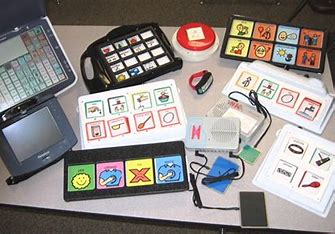
Technological applications in caring
Diagnostic and tracking technologies have useful work to perform in observing and measuring how the changing tribulations associated with a disability are evolving. Additionally, they have an important function to execute in outlining evaluations on the appropriateness and significance of strategic objectives. Regarding such procedures, it is imperative that anybody being assessed and their caregivers are not voiceless but have an active, participatory role in decision-making. While diagnosis can postulate a starting standpoint for protection and remediation, it will be of little worth if apposite frameworks for on-going provision are not accessible.
Periodically, someone may display an awareness of what should be undertaken but, because of a disability, is unable to act accordingly. Various technologies are aimed at obtaining data and statistics, reinforcing cognitive proficiency by stimulating memory, presenting suggestions for action, and offering solutions to surmount a difficulty. Consequently, they can endorse independence and augment safety and security across a broad spectrum of personal, social and domestic activities – movement, time management, shopping and gardening – within commonplace environments. Exemplars include: information and communication technology – e-production and distribution of bulletins and pamphlets to keep custodians of children at risk and guardians of the frail and infirm up-to-date; programs and systems to entertain, coordinate biofeedback, and boost learning, knowledge and understanding; assistive technology – robotic aids, enlarged print for reading instructions, speech to print, ‘smart’ watches and living quarters, etc. to ensure that formulated targets are attained; adaptive technology – software and various types of equipment, artificial limbs, mopeds and so forth, to maintain or bolster transformative changes and aptitudes for overcoming impediments and accomplishing tasks which previously would have been impossible; and rehabilitative technology – to enable patients to recover from incapacities and illnesses as in the use of virtual reality for acquiring high-priority tactics while feeling immersed within motivating surroundings. As there are similarities in the gains afforded by these numerous technologies, the umbrella term of ‘assistive technology’ sometimes is used to encompass all or most of them.
Online, hybrid and blended learning and support
Do not be surprised if you come across the terms ‘online’, ‘hybrid’ and ‘blended’ being depicted in slightly varying ways. For the purposes of this post: online refers to methodologies which only take place online; hybrid means that some partakers are physically in attendance while others are online but perhaps, now and then, use is made of both pedagogic styles; and blended denotes a combination of conventional teaching/training with members present along with online/e-learning also being employed to extend availability as well as independent contributions and flexibility.
Although found in many forms and guises, each methodology can be effective in supplementing both social and domiciliary care. They include: skills-based training; linkage with official agencies to ascertain relevant information; joining locally-networked meetings, including individualised and/or group tutorials; enrolling in remote conferences; and perhaps relishing instructive experiences via immersive involvement in virtual spaces.
As indicated already, depending on circumstances, these approaches can be utilised in a wide range of locations – in the home of the person receiving care by using a social media platform and, if necessary, in the presence of a companion; in a co-learning hub to help overcome a sense of isolation; in an authority’s social work facility or a national health centre, to name but a few. There is little doubt that online, hybrid and blended learning, and the meaningful use of assistive technologies, can achieve much in fostering a sense of self-esteem and appreciation among everybody delivering or requiring support. In all situations, high-quality oversight is paramount.
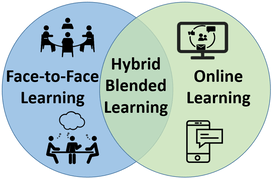
Making worthwhile use of apps
Apps within an operating system admit users to an array of specific tasks – finding lost keys or locating disoriented loved ones who are missing; producing slides or photograph albums for those whose memories might be nudged by scenes from bygone days and find pleasure in ‘going down memory lane’; collating, in discussion with a patient being cared for, a selection of favourite music and songs to play during leisure periods; making use of audio-books to counteract poor eye sight or prevail over feeling too exhausted to enjoy active reading; employing ‘smart speaking companions’ to remind users of when medication is to be administered; engaging in pastimes such as completing jigsaws or camerawork perhaps specialising in taking photographs of flowers, trees, and landscapes.
Virtual Meetings
These get-togethers can be on a one-to-one basis or for connecting observers across diverse settings. By facilitating virtual attendance at events, the inconvenience of travelling while under pressure from a packed schedule is eliminated. Arrangements set up for families and friends, including inhabitants of care homes, are helpful in eliminating remoteness and enrichening camaraderie. They also have a role to play in consultations with professionals such as: designated visiting nurses when reviewing developments; dieticians advising on a correct selection of food and liquid intakes; and occupational therapists providing instructions and guidance during activity sessions.
Therapeutic inputs can be multifaceted: to illustrate – partaking in mindfulness could be in solitude at home or in a park, with a troupe of acquaintances on a nature walk, or online with a facilitator to lead dispersed participants in moment-to-moment contemplation with images and music transmitted to assist in focusing and deepening their partnership. An excellent instance of technology extending inclusive practices was witnessing a regular member of a weekly mindfulness group joining in from his hospital bed.

Advantages and potential drawbacks
There are, of course, both gains and conceivable hazards related with the different forms of assistive technologies and online/hybrid/blended learning and assistance. It is imperative that stakeholders, regardless of their age, have opportunities to profit from guidance by reputable mentors and not be misled by technological noise, fads or gimmicks. Everyone must be made fully aware of the dangers posed by fraudsters who use trickery, adopt a ‘false persona’, or manipulate virtual communications to delude and cheat. Additionally, consideration needs to be given to the fact that caregivers frequently suffer from what can be termed ‘digital deprivation’ as when they cannot afford suitable technological equipment, lack sufficient space and privacy, or have not been trained in technical skills to make first-rate usage of undoubted benefits.
Some learners and trainees prefer face-to-face exchanges and may be dissatisfied when advice and guidance are only available or delivered online. Others suffer by becoming caught up in what is occasionally referred to as the ‘always on’ culture, thus risking subsequent burnout or exhaustion. Searching endlessly for snippets of information or gossip on various platforms can prove to be somewhat addictive, waste energy, lead to neglect of important chores, and failure to give enough thought to essential priorities. Unfortunately, spending too much time in seclusion might be a forerunner for moods of loneliness and isolation. Nonetheless, there is an increasing need for all users to grasp the great improvements which technology brings to modern living. Despite possible pitfalls, with proper care and attention to detail, many rewards await.
Concluding remarks
It is not surprising that caregivers often feel that they form a hidden and marginalised community. Interactive opportunities for contact with specialists in specific ailments, and with fellow guardians, can go far in overcoming uncertainty and distress linked with caring duties. Technological innovations supply the capacity to make openings for learning and training more accessible, enhance inclusiveness, and stimulate a genuine culture of companionship. Noteworthy advancement can be achieved by bringing together interested parties – who are undergoing significant obstacles and challenges – to engage in relevant assemblies, workshops, and evidenced-based therapies.
In summary, among the numerous advantages of technology at work in social care are: (1) easy access to seminars and training prospects taking place in both neighbouring or distant locations which are too problematic or expensive to attend; (2) flexibility concerning the learning context – ensuring privacy for reserved or reticent individuals; assisting voluntary and paid workers to competently address issues arising from disabilities or additional needs; aiding caregivers in expressing and sharing ideas and good practices; and (3) options to record, monitor and review through in-person or online sessions with the aim of identifying requisites, deepening knowledge and understanding of specific topics, and ensuring superb back-up.
References
This post is partially related to an article on good brain health which is also available on this website. If of interest, the link to it is: https://improvingcareand.education/enhancing-brain-health-biological-research-technologies-lifestyles/
Acknowledgements
I have written this post from a personal point of view. However, I wish to express my thanks to Jo Berry and Katy Green for raising my awareness of the multiple benefits which can result in social care practices through the effective use of technology in action.
Nick Pepin
Early professional experiences
When I embarked on my career in education as a newly qualified teacher, I was particularly interested in language development and enthused by The Primary Memorandum and the writings of Margaret Donaldson and Noam Chomsky. This enthusiasm then bumped into the reality of the serried rows of 40+ children in a composite Primary 6/7 class in an inner-city primary school in Glasgow, each of whom was equipped with a copy of Angus McIver’s ‘First Aid in English’. I reflect on this now in a manner I didn’t then, the ways in which ideas are tempered by realities and the dynamics in resolving such tensions.

Of course, Primary 6/7 wasn’t really a starting point for anyone in that classroom other than myself. The children were now 10 or 11 years of age and had proceeded through classes from Primary 1. None had experienced pre-school education. Some had progressed well in their acquisition of language skills while others had not. All but a tiny handful had the same ‘First Aid in English’ as a text book. Three or four attended what was referred to as ‘Remedial’ a few times a week for help with their reading using the Griffin Pirate Readers. These children, who made little progress, and a good number more were struggling to achieve a level of competence which would allow them to access much of the curriculum in secondary education. Complicating matters was the clear understanding the children had themselves of where they stood in relation to their classmates and in their confidence in reading. Listening, talking and writing were similarly stratified but much less openly. Over the years this feature would remain the case while more differentiated reading schemes even more noticeably identified who was doing well and who wasn’t. This seemingly clear view of where each child was in relation to reading – and thus to language more generally was also evident to parents and carers. “What level is Alex on now?” was almost always a leading question.
Points to ponder
For many teachers the effects of poverty are evident every day and they struggle to compensate. Children who are underfed and poorly nourished do not learn as well. Breakfast clubs, free school meals and other mitigations, where available, help but the impact of uncertainties over such basics as food, clothing and accommodation are hugely damaging. Parents who labour with such problems are often unable to interact meaningfully with their children including by providing models for language development.
When I stand back from this partial picture of my first months as a teacher and use it as a backdrop to what I have seen and learned over the next 40 years of what key points strike me most and require consideration. These include the following.
- Poverty and its attendance issues
- The quality of interactions – listening and talking, behaviour and products
- That children, especially when young, are always learning but not perhaps what we think or want, and this phenomenon has consequences
- The huge importance of the early years in children’s lives for learning and the disparity in training, esteem and rewards for those working in early education
- The expectations placed on schools and teachers
- The quality of interrelationships across listening, talking, reading and writing
- The impact of new technologies on language acquisition and use
- The seemingly perennial problems over interfaces in the transition from early years to further and higher education
- The importance of abilities in language in empowering citizens
- The need to recognise how verbal language sits alongside other languages, e.g., mathematics, the arts and design.
Acquiring and using language
Setting aside for the moment formal tuition of the kind schools seek to provide, I believe that the key to language development from the earliest stages is the quality of interactions with someone who is more able in the use of language. Where this can be a person to whom the learner has a strong bond, the outcome is more powerful still. The provision through interactions of models of language whether in listening, talking, reading or writing is critical. Very young children, I believe, grow their vocabularies and how to use them by observing and replicating what they see those close to them doing. When, for example, the need to point to something they are interested in is replaced by the ability to ask for it, this represents a huge step forward. Where the models for such acquisition are plentiful and rich – including nuances of tone or alternative vocabulary – then progress is likely to be rapid, especially if opportunity, time and encouragement are present. When such modelling is neither present nor encouraged then progress will almost certainly be slow. It is interesting to consider how today the main models for spoken language – concerning hearing talking through listening – come via television or a computer-based technology where the nature of any interaction is very different from a traditional conversation or discussion. Children today are probably more used to listening to a variety of sources and media, often competing. It can be helpful where appropriate to specify a focus for listening. Similarly, when developing talking, sharing what has been heard in a focused way with referencing to points made by others can help discussion skills. Assisting learners to express themselves and to present their ideas is an important life skill. Again, children will benefit from positive models of listening and talking and from seeing that their contributions are valued.
Reading is something which many children do not witness. For adults to be seen reading in the home is rare. Even then, while the mechanics, the holding of the book, orientation, turning pages and so forth, can be observed only a few outward manifestations of the impact of reading – for example a smile of frown – can be seen. Functional reading may be more often seen than a longer text but is likely to be transitory. Again, the child from an advantaged home starts well ahead from one where in the midst of struggles to survive there is little time or money to provide models of behaviour or of products, books and texts of any kind.
The situation with reading is further complicated by the unique position it holds in the eyes of adults and children alike in delineating progress at school. The use of core reading schemes, of almost any kind, has pluses and minuses but one strength, which can also be a problem, is that it makes clear where the reader is, or seems to be, on the progression through the scheme. It Is the very stuff of many parent-parent chats, “Jack’s on Level 5 now” says the smiling mum to the neighbour whose child is carrying home Level 4. And children know it too of course. That progress isn’t usually on a simple steady gradient is well documented but again can cause concerns, specially where terms like ‘behind’ start to be used. Only today I encountered on Twitter comment from a newly qualified doctor from Cambridge saying how once she was described as being ‘behind’ with her reading.
There was a remark by Margaret Donaldson that, among many, impacted on me at the outset of my professional involvement in education and it was the idea that children, notably young children, are learning all the time and that, in a sense, this can’t be turned off. What they are learning is, of course, the key question. I have always railed at the idea that we specify aims and from these objectives then proceed to teach and that’s what is learned. I have no problem in trying to be clear as teachers what we hope children will learn so as better to plan how we’ll go about matters but what they learn may well be something different, even if our objectives seem to be met. Some of this can be delightful, for instance when a child notices a pattern in words that has not been part of the lesson. Sometimes children can bring to bear additional information from some extra experiences they have had. Making connections is hugely significant and good teaching will value contributions and use them, making explicit what might not be immediately clear to others. However, we need also to be aware that the child – compelled almost as they are – learns much else simultaneously. This can include how to appear engaged when they have drifted off to ‘dream’ or, to be kinder to them, reflect on and refine other aspects of their lives. They can learn that their ideas are readily welcomed or not. They discover that some of their peers are highly regarded while they are not, they seldom are asked to contribute, their ideas are laughed at, and so forth. Ascertaining their worth and standing in a learning context is a vital part of what children apprehend and this process is taking place from the very beginning. When they start to encounter ‘learning to read’ at school too many are not sustained in their image of themselves as likely successful readers.
Not all learning takes place within a school or pre-school setting. Those professionally employed as educators will have children who differ, often greatly, in the range and quality of prior experiences including with language. Some may have great richness, some considerable paucity, some may not have English as a first language and it may not be used at home. The challenge for the teacher – and here I use ‘teacher’ specifically as it relates most closely to the reality of almost all children – is therefore a daunting task in order to make an authentic difference.
I have used, witnessed, encouraged and inspected a range of approaches to early reading. I have read about some others and discussed methods with interested and sometimes expert people, from students to professors. I have never been a zealot – and such exist – for any particular approach rather seeing the crucial factors being the ability to have regular quality time for interaction on a text that matters to the learner. When the collaboration involves a skilled practitioner then the effect is enhanced.
In my consideration of language acquisition, I return time and time again to the importance of contexts. I believe that learning is quicker and longer lasting where the setting is meaningful to the learner and, ideally, engenders interest, commitment and pleasure. The drudgery of toiling through pages of worksheets and exercises is neither effective nor without collateral damage. I believe there are methods of teaching reading – or any aspect of language – which crush the desire ever to read, speak or write again.
While many of us who take a professional interest in education would argue for and strive to promote the use of language as a worthwhile pursuit, indeed a source of pleasure throughout a lifetime, we need to be careful to recognise that this may not be what everyone seeks. There are those who will not elect to read, write or engage in discussion, very often preferring perhaps other means of communicating such as art, movement, making music, or practical activities using their hands. We must see such choices as wholly valid.
Nonetheless, such is the central importance of verbal language that it behoves us as educators to do what we can to empower learners in its use so that the choice at least exists. Reading particularly is vital to learners as they progress through the tiers of education. A young person moving from primary to secondary school without a good level of reading ability is very likely to struggle with the texts upon which courses are based. Later in many further and higher education courses, especially in the humanities or social subjects – though these may today be decreasing – the ability to engage in discussion is an important ability.
Writing has always proved to be a problematic area. Talking through ideas, providing it is not overdone, can be a productive way of releasing ideas and building a desire to write. In engaging learners in writing, it is important that they have a sense of audience and purpose. Initially, of course, they are their first readers and where the teacher can so organise as to be able to interact meaningfully with the developing writer close to the point of writing then progress is maximised. Too often responses to writing in school regress to stock comments – “Too much use of and”, “Remember full stops” etc. – removed in time and relevance from the act.
Writing is an aspect where the creation of text was rarely witnessed by others and so the learner had no model of the process. When teaching, I would try to open up the activity by talking through as I wrote, amending ‘live’, and trying to engage the learners witnessing the procedure. This is difficult to accomplish or sustain in a class situation. Providing a range of written models is easier but many teachers still find that the pressures on managing a large class incline them to resort to published ‘schemes’. Working with learners on the nature of different texts is often replaced by written exercise-based chores. This is understandable but regrettable.

Contemporary innovations and future trends
In more recent times, technology has had a dramatic effect on language acquisition, notably I believe on writing and reading. When word-processing became possible, it greatly improved the opportunities for redrafting text, not simply making it look better but allowing the writer to reflect on it and formulate changes over time; a process which should allow for both a better piece of writing and an enhanced understanding for the writer. That this possibility is not well used in schools is unfortunate.
The coming of the misnamed mobile ‘phone’ has again impacted quite dramatically. I can still remember a teacher saying to me that children just didn’t write any more (not sure how much they ever did) and I’d arrived at the school via a train on which almost every young person was keying in text at a furious rate. The mobile has radically changed the nature of writing and consequently reading. For many, speech is infrequent on their mobile ‘phones’ having been replaced by messaging using one or more apps. The nature of this writing is very different with such features as predictive text and a host of abbreviations. Some of the language thus generated is already being absorbed into artistic forms as well as becoming widespread in business and social interactions. Little of this is taught. It is learned because of its context and relevance to those using it and the models peers provide. It is dynamic and fast in evolving. The young are usually more adept and I suspect that there are now more disputes over hashtags than the Oxford comma.
“For last year’s words belong to last year’s language
And next year’s words await another voice.”
(Four Quartets – T. S. Elliot)
Footnote: Nick Pepin taught for 10 years in primary schools in Glasgow, Cumbernauld, the Shetland Isles and Arrochar. He was Headteacher of three schools before becoming Lecturer in Primary Education at Jordanhill College of Education. His innovative staff development work, particularly in all aspects of language development, gained him a national reputation. He was a member of the committee which produced the national report on Education 10-14 and was a National Development Officer for the Primary Education Development Project.
In 1990, Nick was appointed HM Inspector of Schools. During his 20 years with HM Inspectorate he held posts of responsibility for Early Years, Creative and Aesthetic subjects and as Depute Director of the Audit Unit. He drafted the report on The Education of Children Under Five in Scotland and led a European Commission project involving 9 countries on approaches to quality assurance in education. Latterly, he was District Inspector for North Ayrshire, Inverclyde and South Lanarkshire. He has inspected extensively in pre-school, primary and secondary schools, aspects of teacher education, and the provision made by education authorities.
Frank O’Hagan

Can the power of education ‘give peace a chance’?
How can educationalists address the question of why – when in modern times we have witnessed so much progress in terms of academic research, scientific discovery and technological achievements – humankind is so frequently unsuccessful at establishing and maintaining pleasant and cooperative conditions for everyday life? Of the many sayings coming down from Confucius, one which is certainly worthy of consideration goes along the lines of ‘Education breeds confidence. Confidence breeds hope. Hope breeds peace.’ In what ways then can education promote self-assurance and trust and, in turn, contribute to peace and concord in society?
Harmful emotional reactions, standpoints and behaviours are not necessarily fixed and constant attributes; they can be modified in positive directions by stimulating and constructive learning environments. Young persons deserve opportunities to develop sympathetic impulses and mature, well-balanced outlooks. If they build and cultivate candid and honest ‘growth mindsets’, they can become more skilled at meeting challenges and postulating possible routes for settling disagreements. Educationalists have important roles to play in putting forward balanced and open frames of reference from which dialogue can begin to explore problematic situations in a detailed and objective fashion.

Peacefulness –benefits to be found at personal, social and national levels
Peace of mind. At a personal level, tutoring and support can act as a foil against threats to safety and welfare by drawing attention to unsafe risks in hectic, frenzied and over-productive lifestyles. Selected themes and topics for reflection often lessen unwanted internal pressures, enhance self-care and encourage relaxation strategies. Additionally, guidelines and content in this domain have a significant spin-off when they highlight and boost sought-after personality traits relating to self-knowledge, insight and goodwill. These may cover: high-quality judgment and decision-making; tolerance of and respect for others; proficiency in arbitration and conflict reduction; and the virtue of forgiveness which, unsurprisingly, happens to be associated with wellbeing and mental health. It is evident that acts of moderation and solicitude are crucial in the context of interpersonal dissension. The processes of negotiation and conciliation, coupled with compassion, in any form of altercation can manoeuvre to peaceful conclusions and amity on all sides. Resulting rewards include affirmative feelings such as gratification, contentment and sense of belonging.
Peace within families and communities. Building warmth and cohesiveness in and across groups demands attention from one and all. A holistic stance – encompassing the involvement of children and young people, families, schools, colleges, and their localities – is desirable. This perspective advocates that it is wrong not to care about a wide spectrum of household and regional issues which includes intercultural tensions, racial discrimination and unfair employment practices. It regards our biases and narrow-mindedness, to some extent at least, as a cause of communal disunity. Simply wanting to sit on the fence is not an option. Nor is peace without social justice. A shared commitment – facing up to bigotry and unscrupulous customs and progressing with the objective of implementing purposeful substitutes – is not only advantageous but a key requirement. As a consequence, the function and strength of education to provide a comprehensive focus on seeking and appraising remedies should be exploited.
Peace amongst nations. Conflicts and hostilities produce so much misery and destruction in their wake with the innocent and uninvolved, time and again, suffering most severely. In war, even those with supposed right on their side have been known to commit terrible atrocities. Education for peace makes it possible for all of us to comprehend more fully the drivers which bring about rifts between states – poverty and unfairness, corporate greed, climate change and so forth. It can empower learners to reflect, not only on their own individual goals, but also on how to make their civilisations and nations safer and happier. It allows them to move on from self-centred considerations to an in-depth understanding of the responsibility which everyone has in building connectedness at a global level.

Dwight D. Eisenhower (1959)
Education as a vehicle for creating and reinforcing respect and trust
The exploration and promotion of peaceful co-existence can take place in our educational institutions by utilising a variety of informative approaches. At all phases, care needs to be taken to ensure that the values of harmony and camaraderie are presented in an age-appropriate manner. For nursery children, these could include story-telling, role play, establishing friendship bonds and triggering collaborative behaviours. As pupils move through the stages of primary education, suitable engagement in areas such as reading, art, drama and project work, comprising both bygone and prevailing events, will extend their knowledge and appreciation of choices for resolving needless turbulence in daily living.
Similarly for adolescents, peace might be a topic in its own right in personal, social and health education (PSHE), wellbeing or psychology as well as incorporated into curricular areas. By its nature it might be organised – particularly in the early years of secondary education – as a cross-curricular theme embracing a range of subjects, for instance: English, the arts and historical studies. In literature, both novels and poetry could provide highly illuminating insights about the origins and outcomes of conflicts; in music, prejudice and reconciliation could be investigated via protest ballads and anti-racist songs; in art and design, posters and paintings could demonstrate the horrors of cruelties or the delights of public accord; and in history, students might be asked to examine recent attempts to establish pacts with regard to international disputes or the reasons behind outbreaks of civil unrest in past ages.
As youthful minds try to come to terms with societal divisions, they strive to obtain solutions to bothersome predicaments. Why is there a lack of openness, integrity and humility among leaders and spokespersons of rivalling causes? How do obstinate and untrue perspectives sustain so much mistrust and belligerence across divided sectors in modern-day society? Why is ‘fake news’ a powerful scourge of honesty? Young people (indeed all of us!) need opportunities to confront falsehoods and inflammatory remarks, including those disseminated to support or incite animosity against beleaguered groups. At national and international levels, the manner in which politicians or military commanders make use of jargon, including stigmatisations and superficial slogans, about hostilities is worthy of analysis. Exemplars of this modus operandi can be found in expressions like ‘friendly fire’ and ‘collateral damage’ when casualties are shown to have been innocent bystanders. Similarly, pupils can pinpoint devious and furtive statements circulated in misleading explanations or excuses which attempt to provide moral justification after horrendous mistakes have occurred.
Appositely-chosen teaching blocks dealing with common issues about collective welfare will connect with learners’ worries and concerns. Programmes of study which are aimed specifically at fostering citizenship or probing parochial controversies can profit greatly if due account is taken of the recurring cultural circumstances which both juveniles and their parents are experiencing. At a time of ethnic unrest in a school’s catchment area, it could be vital to place a robust emphasis on intercultural empathy and respect in order to boost positive relationships among those from differing backgrounds. Teachers can outline scenarios illustrating the value of empathetic interventions in communities and the benefits of peaceful co-existence. While it may be fanciful to expect immediate or all-embracing answers, current matters relating to bias and discrimination within and between neighbourhoods can be addressed tactfully and judiciously resolved. Open-ended discussion is one worthwhile tactic for ascertaining the motives underlying dogmas and ideologies which sponsor or endorse quarrelsome behaviour, radicalisation and terrorism.

Benjamin Disraeli (1851)
Hopeful steps forward to joy and goodwill
Proponents of the ‘violence paradox’ contend that levels of warlike hostility have declined over the ages by means of better governance, advances in social equality and respect for human rights. Of course, this is not to deny that more caring and benevolent norms and traditions ought to be strengthened further. Such headway would be welcomed in well-ordered, liberal societies throughout the world. However, history teaches us that – without warning – stability, cooperation and warmth can disappear and should not be taken for granted. There are various helpful methods, at times overlapping, for prompting awareness and incentives towards a deeper perception of altruistic and philanthropic behaviours. Four of these are touched on sketchily in this section.
Problem-solving strategies. These call for students to: analyse alternative outlooks; research aspects of frailty and weakness in our global family; and suggest options which point to improvements. They also pose questions about moral issues concerning prejudice, poverty, malnutrition, torture, and on customs which permit antagonism to thrive. Violence, when contagious, requires urgent solutions. Problem-solving sessions may provide a springboard for ideas to emerge – the likes of ‘safe streets’ initiatives to counteract unprovoked attacks in disorderly quarters or how ‘contact theory’ has been applied, as with sports, in trying to reduce sectarianism. Additionally, developments in new technologies – for example, the use of drones or robots in so-called ‘cutting-edge’ warfare – undoubtedly call for youthful thinkers to adopt fresh approaches with respect to ethical deliberations. In lessons, while taking due account of the abilities and maturity of learners, challenging questions can be raised. ‘What are the powerful forces which promote tension and trouble in our locality?’ ‘How insightful are we be about the attitudes and ill feelings of opposing factions?’ ‘Can we understand how wild conspiracy theories might have arisen?’ ‘What could we do as agents of change to counter deceitfulness and misinformation?’ Pupils are often found to be skilled in identifying barriers to equity, diversity and inclusion and in outlining well-thought-out recommendations to augment a culture of impartiality and truthfulness.
Teamwork. Assignments produced by partnerships examining the nature of peace, aggression and confrontations offer opportunities for youths to whet their investigative talents. There is a multitude of motivational themes and subjects for collaboration with effectual use made of statistical data, documentaries on contemporary interests and records kept in libraries. Attention can be directed as to how best to evaluate political arguments or national concerns. Such chores enable students to think creatively about how remedies can be found and purposeful, evidence-based mediation implemented. One line for scrutiny could aim at verifying how certain occurrences or situations – abuses of civil rights, criminal networks, climate change, trade wars, victimisation because of religious beliefs, etc. – have given rise to conflict and international hostilities. In some cases, coursework might be related to the endeavours of historical figures – Bertha von Suttner (1843 – 1921) who was the first woman to win the Nobel Prize for Peace, Mahatma Ghandi (1869-1948) and his philosophy of nonviolent resistance, or more recent well-known advocates who have resisted brutality and sought concord.
‘Slow thinking’/ ‘Slow speech.’ These terms are sometimes used, not to highlight the speed with which reasoning takes place, but rather to stress the need for thoughtfulness and attention to detail, especially in taxing situations. Tranquillity and open-mindfulness allow areas of dispute to be reviewed from the perspectives of diverse sides. Individuals or groups ‘agree to disagree’ while expressing their attitudes honestly. Antagonists consent to remain on speaking terms and to ensure that interactions do not become unfriendly or intimidating. Learning tasks examine why the manner in which people exchange feelings, facts and opinions is of great consequence. Words, jargon and context carry emotive weight as when careless or imprudent remarks, albeit when made in jest, become an unintended cause of discord. In fragile conditions, they easily lead to resentment, indignation or create an excuse for an opponent to justify a breakdown in further dialogue. In contrast, trustworthy undertakings will foster reflection on what attributes might be developed in order to negotiate and treat rivals with proper dignity and integrity. In a calm and serene climate, peace may come ‘dropping slow’.
Conflict resolution. An added interesting approach has been the deployment of responsive systems which encourage negotiation and reconciliation. Ideally, and very briefly, these methods involve the enhancement of competences in listening, interpreting differences and seeking common ground in a flexible and even-handed manner. Two confronting parties, in turn, have the opportunity to express their views as clearly as possible. After a presentation, the other side then reflects its particular understanding of what has been conveyed. The process can be repeated, with the assistance of a facilitator, to clarify perspectives and sort out misapprehensions. In this way, both units have opportunities to explain their positions and pinpoint the divergences which need further elucidation. Overall aims are to define the benefits of agreement and identify the procedures by which divergences can be settled, or at least accepted, in a harmonious fashion. In discussions, it may be appropriate to refer participants to the function of formal truth and reconciliation commissions in attempting to ensure that restorative deeds and fair-mindedness prevail.
Concluding comments
In general, though they may not always articulate what is of importance to them, children and young people have shared interests in their futures and in how living circumstances can be improved. Through example and meaningful learning, they develop a deeper respect for values associated with kindness, tolerance and supportive interpersonal connections. The study of bridging frayed relationships contributes to investigating and mapping out how everyone – by means of realistic, open and justifiable courses of action – can advance solicitous and compassionate practices. It challenges simply maintaining ‘normality’ (whatever that might mean?) and focuses on enabling humanity to flourish. When fulfilled, its outcomes relate closely to wholesome mental health and wellbeing and are characterised by the endorsement of an authentic dedication to the pursuit of collective happiness.
(Matthew 5:10)
Involvement in research and fact-finding enable young persons to make informed choices regarding both current concerns, like homelessness and social inequality, as well as measures to implement strategies towards local and worldwide partnerships and concord. Effective and worthwhile schoolwork concerning justice and peace studies can be summarised as consisting of: Promotion of positive values; Enthusiasm and drive for upgrading friendships and alliances at personal, communal, and national levels; Acceptance of evidence-based research regarding what needs to be undertaken; Commitment to delving into how ground-breaking transformations can be accomplished; and Engagement in activities which further inclusiveness and harmony. To be achieved successfully, this agenda presents a complex and demanding set of tasks for educationalists. Hopefully, their endeavours will lead to highly enriching results for learners of all ages; the fulfilment of their aims is vital for the greater good of communities and future generations.
(Frank O’Hagan previously was the Adviser of Studies to Bachelor of Education students at the University of Strathclyde. Later, he was a member of Her Majesty’s Inspectorate of Education.)
Chris McIlroy
A big question faced by the recent review of aspects of Scottish education was ‘What kind of education inspection do we need?’ Commentators argue the inspection process should be ‘robust’, ‘independent’, ‘transparent’ and ‘evidence-based’. Its purposes should be to ‘focus on improvement for learners and good practice in teaching’, ‘ensure accountability’, ‘report on standards’ and ‘engage stakeholders’. This is too great a burden for an inspection to carry and some features of these aspirations often can conflict with others. It is intended that the collaborative approach to school inspections advocated in this paper eliminates any undue stress or overwhelming pressures which can be associated with these occasions. Rather, the aim is to focus on how best to enhance the future wellbeing, growth and culture of our schools. It is time for a fresh look at what makes a good inspection and to concentrate on what matters.

Evaluating, communicating and promoting improvement: are our schools working well?
It is important to children, families, communities and councils that they know that their schools are operating effectively. In modern Scotland, with well qualified teachers who take part in a range of professional learning, we should be able to get to the heart of an educational establishment’s health without an inspection becoming too burdensome or comprehensive. An important indicator that a school is in good health is its track record in improvement. Which aspects are improving and how has that been achieved? Which are in a steady state? Which are stubbornly resisting improvement efforts and why? Moreover, the slow pace of educational improvement is a major issue for Scottish education highlighted in national and international comparisons. Future inspection models should therefore focus much more on evaluating improvement as a gauge of a school’s health and less time on ‘reading the metre’ to describe quality indicators and attainment standards – a major focus in recent years. By building a shared account with teachers of a school’s improvement work, inspectors and teachers will contribute to accountability and respect the professionalism of schools.
Good inspections lead to improvements in the quality of learning and in learners’ achievements. If an inspection does not improve these, it has not been worthwhile. Inspections are expensive in time and emotional energy so they must show their value. Let us be honest, despite the emphasis in recent changes to inspection, not every inspection leads to significant improvements, and promoting improvement still lacks prominence as the core activity of inspection. The best gift an inspection can give is to leave a school with the confidence to improve, feeling inspired and with a clear pathway of ideas to benefit learning and teaching. Inspections that focus on improvement have recurring discussions about the school’s success in making advances and in identifying ways of adjusting procedures where authentic progress is hard to make.

Harnessing the powerhouse of professional learning
The powerhouse for improvement in schools is often professional learning. Where teachers reflect on learners’ responses and seek their views, engage in focused observations of their colleagues, try out and evaluate ideas to enrich practice, participate in dialogue and debate, significant improvements occur. How do I know? Since retiring, I have been working with over 300 classroom teachers in Glasgow along with two able leaders in applying these ideas on the ‘Improving Our Classrooms’ course with great results. The implications for inspection are clear – inspections should have a much stronger professional learning emphasis in which teachers and inspectors together discuss features of practice and justify and illustrate their judgements with evidence from the classrooms.

Inspections also are well placed to evaluate generic issues in learning and teaching, curriculum, meeting different needs and assessment which are key to improvements in learners’ understanding and achievement. They are best addressed strategically, keeping to the high ground to avoid drowning in detail. Investigating together issues – such as the pace of learning, challenge and support, feedback on progress in different classes or subjects – is a good test of a school’s teamwork applied in the classroom. The quality of development of skills for learning, work and life in the twenty-first century, including personal and social competences, creativity, problem-solving, critical thinking, reasoning and understanding is a penetrating indicator of curriculum relevance and worth.
Inspecting together: good professional relationships
Inspections which lead to improvements are often associated with collaborative professional relationships. Close links and rapport matter because inspections involve learning together and tackling hard questions about improvement which include openness, honesty and mutual respect. Where teachers play a full and active part in inspections, they are more likely to understand and ‘own’ ideas for improvement and are keen to make them work: in other words, effective relationships are necessary to facilitate learning together. The combination of good relationships, partnership working and a focus on improvement is modelled in a successful inspection.
Teachers’ experience and knowledge of their school should play a major part in directing improvement. The idea of bringing together those involved in teaching and learning with inspectors who have wider experience of learning and improvement in schools is sound. Yet the way that power is assigned in inspections may make it difficult to achieve professional partnerships. There may be tension, even fear, and an assumption that inspectors are there to demand justification from teachers or that they ‘know the answers’ and their wider experience enables them rather than teachers to make judgements about ‘how good’ things are. Where inspectors recognise the equal but different value of contributions from teachers and themselves to evaluation and improvement, genuine partnerships for advancement can develop.
Supporting educational priorities
Schools and inspections are designed for a purpose: to improve education, communities and society. The needs of society and the context of important national issues in education should influence the response of schools and the shape of inspections. Inspections should conclude, therefore, by evaluating and recording how the school, its community and society are benefiting from its work and how the inspection will add value to its improvement work.
We know that most pupils do well out of Scottish education but the system fails some pupils and the gaps in educational success between more and less affluent families are an enduring social issue which has defied resolution for over 50 years. The recent pandemic has also highlighted the impact of mental and physical health and emotional wellbeing on significant numbers of children and young people. Key issues for discussion towards the end of inspection will therefore include ‘inclusion’ and closing the poverty-related attainment gap. There is a strong case for a later evaluation of the success of the inspection to focus on these issues and for that evaluation to involve two independent evaluators, one from another education authority and a neighbouring headteacher who has been trained in evaluating impact.
Concluding remarks
An inspection model, based on evaluating and professional learning in a collaborative and pragmatic manner, has much to offer with regard to ensuring high levels of improvement within educational provision for children and young people regardless of their ages or stages. It operates through positive, trusting and inclusive principles towards fostering engagement and raising standards among two of society’s most treasured assets – skilled teachers and motivated learners.

Footnote: Chris McIlroy was a teacher and headteacher in primary schools in Glasgow and later a Chief Inspector in Her Majesty’s Inspectorate of Education. He also has been a Visiting Professor at the University of Strathclyde and a consultant with many education authorities across Scotland. Among his previous published articles are two relating specifically to inspections:
McIlroy, C. (2013) ‘The Scottish approach to school improvement: achievements and limitations’, in T. G. K. Bryce, W. M. Humes, D. Gillies and A. Kennedy (eds), Scottish Education, Fourth Edition: Referendum. Edinburgh: Edinburgh University Press.
McIlroy, C. (2017) ‘The National Improvement Framework and the Return of National Testing’ in T. G. K. Bryce, W. M. Humes, D. Gillies and A. Kennedy (eds), Scottish Education, Fifth Edition. Edinburgh: Edinburgh University Press.
Frank O’Hagan

A real-life scenario (amended to ensure confidentiality)
Assessment, observations and background information of the primary school child clearly indicated that she was experiencing worrying features of adverse childhood experiences (ACE) and confusion. During her early years, she had been severely neglected by her natural parents. Some of the treatment to which she had been subjected could be described as akin to torture. As a result, she had been taken into care. Both the child’s new parents and school were perturbed by the scarcity of professional backing available to help them in their endeavours to address her evident distress. Her mother, when interviewed, concluded a moving description of concerns about her adopted daughter’s mental health by saying, ‘We thought that love was all that was needed to put things right. But love is not enough.’ The power of her affectionate, yet despairing, poignant remark has remained with me.
Things can only get better?
The subject of provision has been and remains a fraught and troubled topic with many issues requiring to be investigated and settled in a satisfactory manner. I hold it to be a scandal that so many young persons are denied crucial direction and left to fend for themselves. A brief sample of pertinent questions would include the following. Has too much emphasis been given to medication at the expense of psychological contributions and care? Can educational inputs bring about significant changes for the better? How far can resources be moved from institutional settings to community-based services? How should society develop effective intervention and rehabilitation strategies across families, schools and communities?
In recent years, there has been considerable criticism of what has been called the ‘medical model’ or ‘disease model’ as having placed excessive concentration on diagnosis followed by associated types of prescriptions. In this conceptual framework, problems pertaining to mental health have tended to be viewed as an illness in search of pharmaceutical remedies. Convincing arguments have been put forward to beware of medical domination at the expense of relevant alternative factors. For instance, there have been serious misgivings about the levels of drug use recommended for childhood depression or disruptive behaviour, especially when not accompanied alongside supportive therapies. In contrast, an ‘individualised psychosocial approach’ would place a sharper alertness on sensitive and nuanced judgments which are more tailored towards meeting personal, emotional and social prerequisites. It suggests that there are dangers in treating mental pain as if it was merely a bodily ailment which can be ‘cured’. Better to listen to what individuals want to convey and to take a holistic stance by focusing on their overall wellbeing and burdens, upbringing and educational attributes, interests and friendships. This latter school of thought also highlights the roles of positive family and community alliances and participation.
Psychosomatic upset can occur in various contexts such as inadequate parenting, physical or sexual abuse, victimisation, racism, substance dependency or other traumatic mishaps. There is little doubt that the force of environmental ills, including deprivation and inequality, can have a devastating impact on welfare and feelings of security. However, the causal effects are not always apparent as individuals might respond differently within similar situations. Nonetheless, regardless of the origins or causes, society ignores the necessities of vulnerable young people at its peril. The outcomes of abandonment pose hazards not only concerning their futures, safety and happiness but also because of long-term communal and economic consequences. The good news is that there appears to be an increasing acceptance of the fact that there has been a lack of attention given to the requisites of children and young persons who are experiencing mental suffering. Their struggles rightly are being considered with disquiet from both national and global perspectives by many commentators.

Promoting good mental health
Education authorities have indispensable duties to undertake in ensuring that schools and colleges are compassionate and empathetic organisations with staff adroit in identifying and assisting students who are living through unresolved or previously hidden anxieties. At the same time, it would be absurd to keep piling additional tasks relating to mental wellbeing into the remits of educationalists without ensuring that there are sufficient means and opportunities for continuing professional development. Adequate funding, training and supervision must be made accessible, particularly for those engaged in pastoral care, in order to acquire effectual skill sets.
Staff are frequently the first to raise their apprehensions about the emotive state or unusual mannerisms of a pupil in turmoil. They can provide an insightful starting point for feedback from parents and external experts in a process of healing and restoring an attitude of belonging. Usually, early intervention is highly desirable as is proficient communication among all those involved, including the young persons and their families. Three common approaches – focusing on counselling, cognitive behaviour therapy and mindfulness respectively – can be effective. Very general descriptions of them are outlined in the appendix. It should be noted that they do not suit everyone and may take different forms when employed in separate settings. Of importance is regarding personal, biological and psychological aspects holistically rather than responding as if these were isolated features. Furthermore, scarcity of resources and delays in referrals underline the value of having community-centred schemes which advance advocacy and teamwork.
Teachers will realise that life in school can give rise to detrimental strains such as unwanted or dishonest demands from peer groups or excessive expectations to achieve high grades in national examinations. Some staff will be highly adept in managing procedures and coordinated processes with respect to individualised safeguarding and child protection. For instance, they can contribute to assessing risks, keeping records and formulating oversight of clearly stated objectives. However, without extra collaboration from external agencies, there often will be no irrefutable guarantee that their efforts will lead to fitting and faultless courses of action.
Making educational inputs more beneficial?
It is a given that education’s role is to provide stepping stones towards establishing and maintaining learners’ esteem and dignity – and certainly not to contribute in any way towards erecting potential stumbling blocks. Many elements of a school’s curriculum offer useful platforms to investigate ways in which the societal stigma associated with mental health might be reduced. Relevant inputs enable pupils to come up with ideas about how to extend empathy and tolerance in both school and the wider community. Topics on personal, social and health education can convey clarification and guidelines on how to manage difficulties pertaining to anxiety, tension, hostility and hurt.
Engagement in activities dealing with composure, competences and decision-making all have a place in strengthening emotional buoyancy. Together, inspirational teaching and authentic learning advocate and promote: satisfying lifestyles; sensible eating habits; staying fit; self-compassion; affirmative relationships; connectedness within society; and skills in obtaining necessary support. Age-appropriate projects – for instance, on healthy routines, citizenship, relaxation exercises or confidence-building – also present those in need with opportunities to come to terms with particular dilemmas which might perturb them. Membership in sports, art, dance and other interest groups during recreational periods can do much to foster mutual understanding, empower resilience and endorse a sense of camaraderie. Well-delivered lessons, discussion sessions and contributions from visiting specialists offer diverse outlooks and challenges to enhance self-worth and to boost fortitude during times of stress.
There have been snags with the introduction and continuity of contemporary forms of assistance as teenagers grow older, move on from school and enter adulthood. These too ought to be highlighted and settled. Designated teachers with responsibilities for informing adolescents of services which are available for care and back-up after leaving formal education are essential. One conceivably vulnerable cluster of youths running the risk of experiencing long-term behavioural problems or mental health discomforts are those not in education, employment or training (a recommendation – let’s render the unfortunate acronym of ‘NEET’ obsolete). Productive routes for action including work placements and follow-up programmes to evaluate progress are required. Without a comprehensive strategy, an unacceptably high cohort of young adults with budding abilities and talents could be marginalised.
Depending on circumstances, traumatic incidents – such as a tragic event in a learning community or its catchment area – may have an enduring impact on an individual or a peer group. An important factor is how well key staff respond with sympathy and proficiency in their tactics when dealing with such challenges. Can they discern the ordeal and its level of pain as perceived by students? Probe, and if apposite, share views and enable them to detect possible solutions? On occasions, from a very testing and tense state of affairs, both learners and staff can discover personal capacities and inner strengths of which they previously had been unaware.
Getting by with a little help from our friends?
All forms of curative or restorative endeavours profit from sensitivity, kindness, flexibility and, critically, an attentiveness to the prospective risk of adverse effects. Skilled practitioners are well placed to cooperate with staff in schools, for example by introducing tried and tested counselling methods with teenagers. What frequently has been missing is consistent, joined-up partnerships across strategic groupings – including teachers, social workers, police, psychologists and psychiatrists – involved in the general guardianship of those exhibiting onerous quandaries. Institutional rigidity is a perilous occurrence. So often, in official reports on breakdowns regarding the proper protection of vulnerable children, the lack of adequate communication is cited as one of the reasons for failures. Conversely, the stimulus of effective solidarity can result in advancing shared goals, reducing complex and bureaucratic protocols, and extending best practices.
Through responsive styles in tackling the challenges encompassing an individual’s or a family’s pressures and predicaments, combined support teams can reach a speedy consensus on planning and in delivering beneficial advice and direction. Ideally, they will operate through evidence-based policies, deal with links between physical and mental health, and be in a position to restructure provision to match identified requirements. In this process, a well-placed teacher may have the principal tasks of closely monitoring variations such as behavioural improvements during the school day and of reporting back on progress. If additional supervision is necessary, nominated personnel can take steps to ensure that they are ready and willing to unite forces with those who appreciate their expertise. All have to be aware of who is acting as ‘lead coordinator’ and of the implications of shouldering collective responsibilities.

Reasons to be cheerful?
Unfortunately, there is no ‘magic bullet’ or straightforward Holy Grail to pursue when responding with thoroughness and commitment to all those children and adolescents who are encountering difficulties in connection with mental health. As suggested earlier, it would be a mistake to regard their setbacks as simply an illness; their everyday environments and debilitating lived experiences also must be taken into account. Nevertheless, a central aim of this article has been to indicate that much can be achieved by dedicated staff in learning communities. Effective therapeutic networks will help to lessen inflated demands to ‘fix’ or ‘cure’ troublesome situations through untested or unavailable interventions. Constructive contributions offering hopeful pathways can bring about life-enhancing changes. These include:
- building and augmenting ‘can do’ mindsets through providing a positive and optimistic interwoven mix of an empathetic learning ethos, effective pastoral care and well-judged tasks and leisure activities
- avoiding fads and concentrating on reliable and advantageous tactics which cultivate and refuel confidence, decision-making and self-worth
- celebrating both small and significant steps forward, particularly when young persons are going through periods of discomfort and darkness
- arranging successful involvement and events in conjunction with external organisations – health practitioners, sports clubs, charities, voluntary societies, and so forth – to ensure suitable ongoing assistance at weekends and during holidays.
Concluding comments
So, was that young caring mother correct when she implied that love was not enough? Love is certainly of immense value but its impact can be greatly enriched when parents are aided by schools and appropriate professionals. Medication can be worthwhile but undoubtedly more reinforcement is needed to: help distraught youths to accept and understand their noticeable or hidden hardships; attend to the disturbing conditions in which they find themselves; enable them to overcome undesirable or injurious habits; participate profitably in relevant therapies; and reach a secure position where traumas, substance dependency or intra-personal conflicts can be dealt with successfully. Schools, along with families and external agencies, can and do commit themselves to embarking on productive efforts within the overall process of making life more tolerable and affirming. There are trustworthy and genuine strengths in the collaborative endeavours of united and altruistic teamwork. Often this ’collective love’ is what is really essential.
Appendix: Very brief summaries of three common supportive approaches worthy of further investigation and consideration
There are many forms of therapeutic interventions. In practice, distinct variations occur within and between them so different descriptions and styles exist. Care and training are strongly recommended in order to implement them competently and successfully. However, at times, it is advisable for individuals not to take part.
Counselling is sometimes described as a ‘talking therapy’ although I prefer to deem it to be a ‘listening and talking’ one. It is a dynamic, two-way interaction which is liable to suffer if both aspects are not functioning effectively. Young persons usually benefit from encouragement to be at ease, open up and join meaningfully in these sessions. When they do, they can develop a deep relationship and trust with their counsellor. Well-targeted use of questions may be employed to enable obstacles to be clearly expressed. Through welcoming the opportunity to discuss and examine their own personal dilemmas and distress, individually or in groups, participants can seek and hopefully find their own ways forward. Depending on the circumstances and the wishes of the young persons, this work can be undertaken in school or other locations.
Cognitive behaviour therapy is an umbrella term for a range of therapeutic methods which, as the term implies, focus on improving specific features of an individual’s processes of cognition and unsolicited behavioural impulses or outcomes. Proponents contend that mental health problems, while being linked with set patterns of behaviour, are also influenced by emotional and cognitive factors. In general, they aim to clearly address difficulties arising from habituated and conditioned behaviours and spurious thoughts, ideas, moods and feelings. Their action-based practices are widely used to assist those experiencing a variety of psychological matters such as panic, suppressed anger, depression and eating disorders. Success can be achieved through challenging negative beliefs and enhancing positive thinking.
Mindfulness has much in common with Buddhist and meditational practices. It is associated with the development and cultivation of a person’s or group’s active, continuous, open and non-judgemental awareness. This state of mind is maintained and ‘flows’ from moment to moment as if in an ocean of peacefulness and contemplation. Attention is given to techniques relating to breathing, inner consciousness and relaxation. Advocates of this approach stress its usefulness in amplifying wellbeing and in alleviating various personal hindrances such as anxiety and constant worry. Both relevant guidance and extended, well-directed practices are recommended to reap the full advantages of its usage.
(Frank O’Hagan previously was the Adviser of Studies to Bachelor of Education students at the University of Strathclyde. Later, he was a member of Her Majesty’s Inspectorate of Education.)
Frank O’Hagan
Carpe diem?
What are children and young persons to conclude from the many differing points of view which circulate about the future of planet Earth? Trump-like attitudes abound. Sceptics perceive activists as absurd and confused. Some proponents of the status quo harbour illusions of normality and stability as continuing onwards from decade to decade. Others simply tout spin over substance to cause distractions or attempt to kick thorny conundrums into the distance for future generations to grapple with and possibly resolve. Groucho Marx succinctly summarised this narrow-minded short-termism – “Why should I care about future generations? What have they ever done for me?” In contrast, there is what is sometimes referred to as ‘cathedral thinking’ or in other words ‘being good ancestors’. Our predecessors bequeathed exquisite buildings for us to admire. Can we, in turn, leave a delightful and healthy world as an inheritance to our descendants?
The young can become confounded by the multitude of different opinions and pressures in circulation. They have a right to know what those in positions of responsibility at both local and national levels are proposing and must be allowed to voice their apprehensions. It is essential to respond to the significant doubts which they may wish to raise. Should there be regular publications of targets already missed, as well as having an agenda for future action? What more can politicians, environmental planners and business leaders undertake to make up for lost time? How critically do civilians scrutinise deficits in modern living and in what ways can they greatly improve the quality of everyday life? While these are legitimate questions for investigation, there are similar queries concerning youths’ own endeavours, and those of their families and communities, in lessening the dangers of climate change.
Obstacles to overcome
Educationalists will have specific principles to observe in order to provide clarification, elucidation and hopefulness for all age groups. While teaching may be aimed, either directly or indirectly, at outlining current progress and eliciting discerning feedback from pupils, care must be taken not to over-exaggerate. Guidance should ensure that learners grasp trustworthy facts and the outcomes of genuine, scientific research. Lessons and activities need to be well-judged and take due account of their abilities and stages of maturity. A focus on their investigative and problem-solving skills will boost motivation and confidence. As some might have felt perplexed and experienced a sense of helplessness through a succession of reports on the media, a warm and inclusive learning ethos can reduce emotional upset and help avoid deleterious impacts on mental wellbeing. Usually, it is probably best to adopt a ‘Goldilocks state’ – well balanced between a concern to make improvements but by no means over-anxious or distressed.
There have been numerous efforts to build an alertness of risks associated with the likes of extreme weather conditions or toxic fumes causing ill-health and early deaths in cities. However, some commentators have noted what has been called an ‘information deficit model’ – valid facts not known or understood – is still to be found in sectors of society. This is a separate phenomenon from that of the denial of indubitable facts and statistics. When such circumstances prevail, interest and inspiration can decrease. Nonetheless, it is apposite not to ostracize either of these factions but rather to give time to examine the reasons underlying their prevalence. This standpoint facilitates opportunities to figure out how they came to adopt unconventional positions and to engage in dialogue.

Another obstacle is that the threats connected to climate change normally are not instantly noticeable and, as a result, treated as inconsequential. While it is relatively easy to understand the immediate menace of a global pandemic, the linkage between homes being flooded and carbon emissions is less obvious. By highlighting and explaining the gradual variations which are occurring and the requirement for long-term planning, perceptiveness can be increased and doubts resolved.
It is fortuitous that, when it comes to facing controversies, the well-known myth of ostriches sticking their heads in the sand when dangers loom generally does not apply to eager learners. They are cognisant of the message conveyed in this myth and have enough savvy to review and confront the predictions which envisage the destruction of Mother Earth. Let’s wish them every success!
A dynamic and comprehensive curriculum
Much closer attention is now being given to teachers’ knowledge and skills vis-à-vis sustainability. Additionally, the contributions of specialists in schools, further and tertiary education and industrial-related research substantially heighten awareness. While fully accepting the importance of formal qualifications, credit also has to be accorded to the value of other forms of educational inputs which encourage mindfulness and responsiveness in the 3 to 18 years-of-age range. There are identifiable features of coursework which are immediately suitable for inclusion. As well as providing vital information, they can delineate practical solutions and emphasise positive individual and collective roles for clear-sighted intervention.
The curriculum on offer requires to be all-embracing. It not only needs to extend beyond saving the biosphere but, furthermore, ought to include the numerous means through which contemporary living conditions can be upgraded. The topic of climate change is only one element, albeit a markedly important one, of a wider study encompassing the saving of our planet … and beyond. Its overall aim is the enrichment of the living environment for all humankind. Within this broader framework, a commitment on decarbonization towards net-zero emission targets can be regarded as a ‘saving’ aspect. When the agenda morphs into the creation of a truly healthier, greener and life-enhancing environment, objectives are magnified towards ‘saving and beyond’. Thus, a more comprehensive approach incorporates improvements to tackle poor living conditions, unhealthy diets, misuse of pesticides, destruction of sea beds from excessive dredging, the dumping of garbage and radioactive materials at sea, and the list goes on. It also contains suggestions for consideration on appropriate, eco-friendly involvement. Education really matters!
We are family – all in it together
We live in a common home and our society now has the opportunity to create a happier, safer and flourishing world. While teachers and tutors can partake meaningfully, it would be unreasonable to expect only education settings – nurseries, schools and colleges – to embark on this onerous task. Fortunately, there are many sources for learners to exploit over and above their formal curriculum – for instance: guidance from parents and guardians; the supportive influences of peers; enlightening books, newspapers and television documentaries; dedicated sites on social media; and sponsorships by organisations which focus on improving agriculture and fishing. Authentic, scientific data and advice are accessible from comparable founts of vision to endorse and hasten a beneficial, cultural transformation.
A detailed syllabus on this over-arching theme is exceptionally complex. For anyone even mildly interested in the subject, there is an extensive range of conventional and technical terms in general usage such as: greenhouse gases; carbon capture; environmentalism; ethical investment strategies; transparency on resourcing; sustainability; greenwashing; and recycling. Thoughtful reflection on the terminology can deepen our foresight and understanding of the difficulties which have to be appraised. Moreover, there is a very broad spectrum of relevant topics which takes in: the reduction in road and air travel; greater use of public transport; wastage of rare metals; pollution of land, sea and atmosphere; biodiversity; wind, marine and solar power; energy saving in homes and buildings; peat land preservation; and the traceability and purchase of food and goods.
This immense array of varied contents necessities a highly organised schedule across age bands and curricular areas in order to steer clear of duplication and to ensure maximum impact. It is commendable when schools have devised an inventory relating to the integration of learning prospects. Though these may seem arduous undertakings, the good news is twofold: staff in education are occupied already in this enterprise and, for pupils, their ensuing acquisition of comprehension and prescience guarantees advancement in terms of personal, social, emotional and cognitive development.
Love learning, love your planet
At the early and nursery phases, children form habits with regard to cleanliness, communication, personal safety, good manners and kindness to others. In creative and investigative play activities, they develop an appreciation of camaraderie, flowers, animals and parks. The value of an enjoyable and stimulating early education is undoubtedly of real benefit in fostering their respect and sensitivity towards their immediate surroundings and nature in general. Individual displays or in friendship groups, at times in the company of family members, can enable them to demonstrate their interests aroused by drawings, designs and photographs.
As pupils move through primary school, they have opportunities to learn more about everyday living and how to take good care of ecosystems. A firm basis for responsible citizenship is being established. Project work is often arranged to cover a wide variety of themes, allowing children to select, investigate and then share their findings. For example, on the fashion industry, they might examine disclosure as regards where goods are produced, what they are made from, the distance they travel before being sold, how well the workers are paid, whether these commodities are likely to be recycled or discarded, etc. Likewise, take the girl who reported that her investigation in an upper primary class had been on the damage caused by plastic waste. She mentioned that she had learned about an island of rubbish, larger than Britain floating in the Pacific Ocean, and the devastation of plastic to sea life. The following year, her class had taken part in a topic on rain forests with freedom to pick their own projects. Her skilful presentation had focused on the destruction of forests and its harmful consequences to biodiversity, including disturbance to animal inhabitants. This assignment promoted independent learning and touched on aspects of English, mathematics, biology, environmental studies and technology besides exploratory and fact-finding skills. All worthwhile and motivational.
The cross-curricular nature of ecology and green politics is evident throughout secondary education, an opinion forcefully made by a second-year teenager when interviewed, and requires effective cooperation from different departments. This characteristic holds the likelihood of deepening the understanding of complex issues though analysing them from separate perspectives. While STEM subjects are regarded as particularly pertinent – teaching about the efficient use of energy in physics or the production of ‘blue’ and ‘green’ hydrogen in chemistry – most subjects offer a great deal to explore. A few illustrations underline this point: business studies and economics highlighting how ethical investments can be advantageous for the environment; religious and moral education examining ways in which a united front on improving bionetworks can result in increased communal happiness; and art and design assisting in the production and distribution of imaginative posters or pamphlets for World Earth Day (22nd April).

Optimistically, by the time that students are leaving secondary school, they will be fully equipped to reflect expertly on perplexing dilemmas as migrations due to crop failure or tensions among nations arising from the pursuit of scarce commodities. They will have acquired the necessary competences to comment on how success and failure rates by governmental agencies should be published and judged. On occasions, they may feel obliged to monitor how mandatory requirements and subsequent penalties for non-compliance by individuals or public bodies are implemented. All being well, they will become the guardians urgently required to safeguard humanity.
Young people care, therefore they are part of the solution
If addressing climate change is urgent, why has headway been incoherent and tardy? It has proved to be comfortable to ‘talk the talk’ but considerably more challenging to ‘walk the walk’. The dominance of rationalism, following the philosophical dictum ‘Cognito ergo sum’ (I think, therefore I am) of Descartes, lingers on in some current thinking and still influences much of what takes place at major conferences. No matter how erudite the conclusions might be, if they lack pragmatism and empathy, they are of little value. The concept of ‘caring’ in this context implies not only appropriate degrees of perception and understanding but a steadfastness in implementing evidence-based responses.
While they await to find out in what manner those in positions of authority are prepared to move forward, the futures of juveniles are to some extent put on hold. It is clear that many adolescents feel obliged to call out for vigorous action to avoid planetary suicide. As responsible outspoken advocates, they deserve our praise. Recently, it was enlightening to hear one primary school girl earnestly supporting the view that children can spread ideas on good practices to a widespread audience in addition to their families. Another touching and impressive case of pupil power and influence was a children’s play which was attended, among others, by the wives of the President of USA and the Prime Minister of UK while the G7 Summit was taking palace in Cornwall in June 2021. Heartfelt messages must be heeded. Virtue-signaling by dignitaries – especially when lacking in genuine honesty and affirmation – is merely hollow and hypocritical.
Youths who have studied and understood impending perils – whether these link to pollution, unrestricted excess, climate change, a dearth of international collaboration, and the like – neither desire to propose utopian dreams nor to write death wish messages. They comprehend that there is no quick fix and also that some countries are already living on the edge of existence. An emergency has already arrived but positivity has not been vanquished. For them, false narratives, complacency and nihilist stances on future calamities being ‘too big to handle so live only for today’ are not acceptable. Learners know that, cherish it or not, they too are involved and have their parts to play. They identify themselves as global citizens and demand a ‘can do, make it happen’ mindset to be adopted.
Summary and concluding remarks
Education locations, at all stages from nurseries to universities, are in a very powerful position to promote life-affirming policies and practices and to assist in reaching ambitious targets which have been agreed. They deserve the support of governments and scientific communities to further develop their programs of study on how to save and improve the condition of a planet in need of loving care and treatment.
Effective educational inputs can be regarded as valuable human assets which enable students to concentrate on constructive routines for facing challenges rather than becoming accustomed to feelings of disempowerment. Using their own research and critical thinking, youthful scholars are able to embrace the role of ‘learner as scientist’ in their search for explanations and answers. It is an energetic form of attentive engagement. As a consequence of their successful efforts, they come to realise that individual behaviours and human customs cause so much damage. They want more than warm words (‘Blah, blah, blah!’) – they demand positive action.
Current everyday standards and lifestyles can become trapped in a sterile culture of presentism, neglecting to safeguard the quality of living which will face future generations. Through their studies, young persons understand that there are choices which can no longer be sidelined by society at large. They learn to reject procrastination, doom-purveying pessimists, fake news, and pseudo-scientific buzzwords. They understand that people, including themselves, need to make informed decisions and to confirm that they are completed inside designated timescales. Many have proved that they are already a force for good and aim to ensure that their incremental steps will ultimately result in giant leaps forward.
(Frank O’Hagan previously was the Adviser of Studies to Bachelor of Education students at the University of Strathclyde. Later, he was a member of Her Majesty’s Inspectorate of Education.)


Frank O’Hagan
How far have we progressed?
There is a painting in The Louvre in Paris entitled ‘The Clubfoot’ (also known as ‘The Club-footed Boy’) by Jose de Ribera who is renowned for his depictions of the human condition. It is a portrait of a vulnerable youth and conveys stark observations on both hardship and physical disability. There are differing interpretations concerning this magnificent and moving painting. These range from the view that it expresses dignity and defiance under duress to the opinion that it is a bitter comment on the degeneration of dutifulness and care. For my part, I think that both of these positions are credible and can be reconciled. Neediness gives rise to people displaying distinct features of perseverance and personal worth but also of melancholy and desolation.
Although De Ribera’s painting dates from over 300 years ago, to a large extent it reflects issues and conundrums relating to prevailing attitudes on destitution and misfortune among the underprivileged. It might be felt that we have advanced far as a society and that such adversities are now under control. While it is true that there have been many changes for the better, it would be foolish not to acknowledge that numerous challenges remain. Is it right to feel annoyed at the present state of educational provision for children who are deprived? How can we respond to and build on the capabilities and resilience of juveniles with significant needs?
Addressing poverty and marginalisation
A common misunderstanding is to equate communal affliction simply with financial deficiencies. Deprivation has many guises. It is a complex and intractable phenomenon which also covers affairs dealing with health and welfare, parenting, housing, infrastructure, urban and rural dysfunction, inadequate schooling and unemployment. Ironically, policymakers are generally aware of what should be undertaken to rectify recognised concerns. Mere tokenism occurring in officialdom ought to be treated as unacceptable.
All learners, regardless of age, require to: be well nourished; live in reasonably healthy and safe environments; be able to obtain essential services without major inconveniences; and be actively engaged in educational or training programmes which are aimed at enriching individual circumstances. Breakdowns pertaining to any these factors can result in distress coupled with a sense of hopelessness and, on occasions, of annoyance and anger. Education is a critical route in the direction of amending matters. The burden of responsibility also reaches across a wider spectrum of local and national administrative services.
Recent research and media outlets frequently refer to ‘hard to reach’ families and suggestions are offered on ways in which helpful dialogue can be initiated on their behalf. Though the term ‘hard to reach’ is usually well intended, it can sound rather patronising or even act as a label. If professionals are to use it, then the converse must be conceded: that they themselves also can be difficult to contact as far as needy people living in stressful situations are concerned. It is a two-way problem. One does not have to look too far to find a deep-seated lack of trust regarding specialist practices within disadvantaged groups. Care has to be taken to avoid inadvertently creating or reinforcing a sense of ‘us’ and ‘them’. Empathic responsiveness is imperative in ensuring that interventions are not perceived as holier-than-thou interferences.

Actions speak louder than words
It is too easy for the ‘haves’ to reproach the ‘have-nots’ as being lazy and short-sighted. The tendency of some is to assume that the fault exclusively lies with those who are suffering from impoverishment. For those in a privileged position, it is plain sailing to worry less as to the present and to be able to concentrate on long-term planning, for example, in saving for fees to cover the cost of their children’s future education. In contrast, when tackling the ubiquity of poverty, zealous educationalists aim to fix attention on social solidarity and the transformation of ill-fated, lived experiences. They take relevant account of contextual factors and never ignore the tribulations created by environmental tensions. They are fully aware of why their students are distracted by the makeshift and changeable conditions which they have to endure.
So, how can a rich and plentiful – but divided – society accurately take cognisance of and operationally counteract the impact of penury on educational opportunities and achievements? To initiate steps forward, there has to be a sincere political judgement of the hurdles being encountered. Approaches to overcoming barriers in pragmatic and realistic ways require to be both gimmick-free and, as far as possible, evidence-based. Some leaders in education have been going on about ‘closing the gap’ for a considerable time now, sometimes merely with the purpose of aiming ridicule at their opponents. Rather than empty words, no matter how heartfelt they are meant to sound, we need positive and efficient action.
Beware of the myths which surround the new paternalism of ‘up-levelling’. For a start, legislators cannot accomplish any substantial progress without the backing of low-income families, communities, schools and voluntary agencies. Available channels towards obtaining the most suitable kinds of resources and assistance are very limited in times of austerity resulting in a lack of sustainable livelihoods and cut-backs to public services. What is more, there is no single pathway which can overcome all the complications posed by societal ordeals. Without taking proper evaluation of, and responding positively to, the variations across the characteristics of young persons and their circumstances, schedules for improvements will falter.
Key strategies for development and implementation
The cost of carrying out policies and projects is always an important factor. Additionally, their operation must focus on how to establish and maintain a high standard. Otherwise, devolved finances can be wasted on a valid idea which has been poorly executed. Nonetheless, various options are promising with the following eight proposals being offered for deliberation. Space only permits a very general outline of their content and functions.
1. Early identification and support. When experiencing restrictiveness due to existing in a state of paucity, it is little wonder that parents and guardians have much to deal with – for starters, managing to pay for food, rent and energy bills. As a result, infants can unwittingly receive insufficient attention or even suffer from neglect. All phases of human development are important and, given appropriate intervention, the previous negative effects of privation can be overcome. Inclusion, engagement and enjoyment are pertinent driving forces on the road to success. A nation’s focus must always be on the right of every individual to have the best possible start in life.
The ‘flexible’ mind is sustained by life-affirming opportunities to grow, develop and flourish. In particular, the pre-school years have been highlighted as a key period to help those from underprivileged backgrounds. It is a stage when both free play and organised activities can evoke interest and provide motivation to acquire autonomy, emotional suppleness, creativity and competences. It is also a time when fathers and mothers (a caution: the role of ‘fathering’ must not be side-lined) regularly need updates and are willing to discover more on positive nurturing skills. For many of their children, encouragement in ‘learning how to learn’ will be decidedly gainful while in pre-school provision and beyond.
2. Promoting resilience within family units and communities. The impact of want and malnutrition varies among youths and the influences of parental upbringing are complex. Collaborating with and empowering all residing in impoverished districts are essential. The bolstering of beneficial features – shelter, safeguarding, and compassionate care – can do much to strengthen youngsters in surmounting daily obstacles. Involvement in well-suited programmes should aim at breaking intergenerational cycles in respect of marginalisation, low expectations and academic failure.
Partnerships will be welcomed in connection with the overall enhancement of domestic life and in suggesting out-of-school pursuits, for example, adults and adolescents together profiting from advice on financial management covering topics on budgeting, welfare payments and the avoidance of debt. Unlocking concealed talents and indicating routes out of the entrapment of destitution must remain unwavering aims among all civic commitments.
3. Extending additional educational support. Schools under pressure warrant the means to ensure that they are not receptacles for passive acceptance of failures or shortcomings caused by administrative systems. If anything, it is fitting that they are sustained in a position of having even higher than normal expectations on behalf of their pupils. In the media, there are often tactless references to ‘failing schools’ and, over and over again, these appear to be serving poorer catchment areas. Educational establishments which have to meet with the demands posed by harsh economic conditions merit extra funds and should not be evaluated by the same academic criteria as others situated in more well-to-do locations. They have a claim on planned compensation as regards the allocation of teaching specialists to aid anyone encountering substantial difficulties and designated assistants to promote inclusive practices. The expansion of trained staff for literacy, mathematics and personal, social and health education in primary schools – and also in selected subjects in the secondary sector – should always be kept under review. Above all, it is valuable for the power of education be let loose to counteract misfortune by enabling learners to identify their troubles and, in time, to overcome them through gaining the knowledge and skills necessary to augment their wellbeing. The young have dreams and aspirations which deserve to be recognised and fully endorsed.
4. Developing communal integration and participation. There is a strong case for establishing more efficient and coherent services across health, education, social work departments and voluntary groups. Interventions aimed at alleviating disadvantage are obliged to be dynamic and multi-faceted in providing solutions across an extensive range of predicaments. Unfortunately, collaboration among agencies to develop and enrich distressed zones can be fragmented and time-limited. If information and directives are not competently distributed and understood in neighbourhoods, many may fail to know how best to become meaningfully involved. Perseverance, openness and transparency are indispensable ingredients for the implementation of constructive methods when engaging households in the process of improving the quality of everyday lives.
5. Effective use of public assets. The affluent and well-informed do make first-rate use of accessible municipal assets to supplement their children’s overall educational erudition. However, it would be expedient if there were more openings for everyone living in rundown localities to have better contact with these amenities and to benefit from them in genuinely purposeful ways. In general, insufficient use is made of the nation’s stock of regional resources to advance their chances for stimulating out-of-school learning. Museums, art galleries, libraries having computer-based facilities to counter ‘digital poverty’, historic monuments, science centres, sports programmes, apprenticeship courses, coaching schemes and the like can all be put to good use in reinforcing the drive and enthusiasm to succeed.
6. Utilising the expertise of altruistic volunteers. Another initiative aimed at narrowing the gaps in enterprise and scholarship is the deployment of unpaid helpers, including retired professionals, as mentors or advisers to interact constructively with young people. Thoughtful scrutiny is necessary to recruit from a wide variety of current or previous occupations and to select those who have the proficiencies which can inspire and transform lives. There are many conceivable inputs which committed citizens could contribute: tutoring to upgrade accomplishments in literacy, numeracy and technology; revising lessons during evening sessions; offering guidance on job interviews, employability skills and careers; preparing students for formal examinations in specific subjects; assisting with applications for tertiary education and the world of work; and so forth.
7. Increasing admissions to tertiary forms of education and training. The inhabitants of economically deprived surroundings require greater admittance into tertiary forms of education across colleges, universities, formal vocational courses, and industrial placements. For instance, it is well documented that places in universities for school leavers from the poorest districts remain stubbornly low despite much hullabaloo about this scandalous issue. More radical measures for estimating aptitude and academic ability are urgently needed. These could include better use of holistic assessment processes organised by universities and the commercial sector to gauge hidden flair and talents. Instead of allowing a slide towards any lowering of standards – a topic which has been raised by some businesses – valid, alternative procedures for determining authentic potential in identifiable areas of instruction and study should be instigated. Of particular disquiet is the danger of teenagers not embarking on the most appropriate courses for entry into future, gainful livelihoods.
8. Evaluation and accountability in the application of policies. As implied earlier, policy decisions and initiatives ought to have built into them a formal outline of data and predictions concerning the ‘socio-economic duty’ of the official bodies which hold the purse strings. These should include clearly stated targets and measures of what will be achieved with reference to the promotion of collective equality and the enhancement of occupational prospects. As plans are put into operation, they will entail impartial appraisal to ascertain how effectual they are in relation to what they set out to complete. Transparency and the addressing of unpalatable facts are fundamental in bringing forward essential improvements. Everybody has the right to be kept up-to-date on whether undertakings have matched expectations or fallen short of declared objectives.
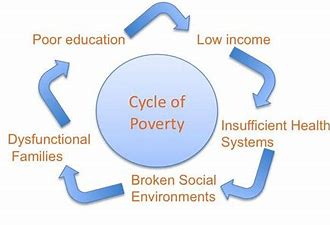
Concluding remarks – or will we be fooled again? Further action research to identify the most proficient means of delivering and supplementing evidence-based methods would be advantageous. It is crucial to determine what combinations operate best and in what circumstances. It could be argued that all, or almost all, of the eight discussed strategies have been around for some time in one form or another with various levels of realisation. What have been missing are comprehensive, integrated and enduring forms of engagement which effectively eliminate the prerequisites of deprivation in different settings. We owe it to today’s pupils to ensure that promised solutions are fully executed and that they are not misled as were the generations which have gone before them.
How would the youth in Jose de Ribera’s portrait feel about the progress which has been made since his days as a street urchin? While, in general, being pleased with societal and educational developments, he may wonder why they have not been more successful. He may think that as long as there are dog-eat-dog economies – whether capitalist or communist – the poor and dispossessed will always be present. Nevertheless, I am sure that he would call for educational programmes and reforms which place a stronger emphasis on everyone’s worth, efficacy and dignity. He also might wish to highlight the prospective benefits in terms of wellbeing, happiness and economic advancement within a more unified and contented world.
Footnote: Other relevant articles in this series cover: quality in the curriculum; inspirational teachers; the promotion of authentic learning; potential, attainments and achievements; and diversity, equity and inclusion. For these related articles, please see the list under “Education for All – Posts” on the website’s “Home” page at: https://improvingcareand.education/home
(Dr Frank O’Hagan previously was the Adviser of Studies to Bachelor of Education students at the University of Strathclyde. Later, he was a member of Her Majesty’s Inspectorate of Education.)
Frank O’Hagan

A dedication
Up to the time of her death, a beloved sister of mine was a teacher for more than 40 years, working almost exclusively with pupils from deprived backgrounds or those experiencing social, emotional and behavioural difficulties. When she started her teaching career in the 1960s there was such a shortage of teachers that her very large primary class had to be divided into two groups. On alternative weeks, one group attended a morning session and the other an afternoon session. Both groups were considerably larger than the average primary class of to-day. While bravely facing her imminent death, she still worried about young persons’ future lifestyles and lack of learning opportunities. Sadly, many of her fears have morphed into a reality – continuing austerity, low levels of literacy, feelings of alienation and a lack of employment prospects. As I jot down my views on diversity, equity and inclusion, my gratitude goes to her and the many teachers, educational psychologists and inspectors of education who have contributed to improvements in this field and with whom I have had the privilege to work.
The times are always a-changing
In recent years, although there have been changes for the better, concern about services for vulnerable pupils with diverse needs – who live amidst all sectors of society – continues to be a debated and disquieting issue for parents and educationalists. What is more, in periods of hardships and public cutbacks, this aspect of educational provision for our more disadvantaged students can be seen as an easy target for financial constraint and staff reductions. A range of workable strategies will be necessary to ensure that so many young people do not come to perceive themselves as enduring failures.
Everyday attitudes about the characteristics of young learners alter and transmute, as do conventional stances regarding how their education should be subsidised and managed. These modifications are due to many different factors such as the impact of research projects, developments in teaching methods and advances in society’s views about the rights of children. Outlooks have evolved and perceptions have become more nuanced in a variety of ways. For instance, autism was once considered to be a very rare, one-dimensional and rather inexplicable disability. Nowadays, it is generally recognised as being much more prevalent and to be across an extensive and complex spectrum which comprises intellectual, linguistic, social and behavioural dimensions. Moreover, it is not unusual for pupils who have been assessed as on the autistic continuum to possess high levels of concentration and/or an in-depth comprehension concerning specific topics of interest. Additional cultural swings have included a greater acknowledgement of the potential of many learners displaying attention deficit hyperactivity disorder (ADHD) to demonstrate positive cognitive features such as creativity.
There are many promising means of developing suitable and empathetic contexts which are truly beneficial for all young people. Through well-tailored, personalised learning programmes, recent findings in educational neuroscience have provided a more hopeful perspective on the capacity of students to adapt to the difficulties which they encounter. Thankfully, there is an evident willingness among professionals to face the very significant obstacles which have to be overcome.
Neurodivergence should be viewed as a naturally occurring continuum among learners. Didactic experiences must not be boxed into a limited and restricted curriculum which does not take due account of ever-present differences. On occasions, such ill-chosen approaches are accountable for harmful outcomes. The message is clear that ability is not a fixed entity and that pessimistic attitudes about capabilities regularly need to be confronted. Nonetheless, key questions remain. Has society the will and capacity to address issues relating to diversity, equity and inclusion? How can plans be focused on success while retaining inbuilt flexibility and identifiable care? Can educational systems have targeted interventions available to ensure that any apparent ‘breakdowns’ in levels of accomplishments can be quickly ameliorated?
Current challenges to inclusiveness
It is well nigh impossible to be unaware of the presence of diversity in modern society. It manifests itself in statistical surveys and in traditions and pretexts covering age, background, gender, ethnicity, ability, religion and so forth. It is our human melting pot containing both splendour and richness. It also can give rise to apprehension and unease has when individuals or groups are viewed as ‘others’ who are not fully entitled to the rights and privileges enjoyed by ‘in’ groups (a process sometimes referred to as ‘othering’).
Values – such as acceptance, appreciation and kindness – are elements of daily living to be treasured in education and training. Meeting the needs of diverse groups implies interconnectedness and cooperation in establishing universal rights and in building an equitable society. This stance calls for an end to greed, unrestrained capitalism and the continued destruction of Mother Earth. It stipulates that the voices of all students concerning their feelings and self-identified needs should not only be heard but be listened to attentively. Undoubtedly, there exist across our troubled world many obstructions to this vision which require urgent reform. Among an extensive list, depending on customs and place, it may be the disregard of the rights of children who are forced to work rather than be educated, the underachievement of poorer white male adolescents, or vocational openings being denied to students who are physically disabled.
Difficulties encountered, when teaching young persons with varying needs, are too often viewed as arising ‘from within’ or ‘belonging to’ them. From such perspectives, recognised learning problems can be treated as if they are owned by students and their private responsibility. Highly significant environmental factors – prejudices, the lack of adequate nutrition, impoverishment – are overlooked. Consequently, learners are not properly involved in decision-making but are subjected to pronouncements which are hoisted on them by way of a hierarchical system. Parents and guardians, due to their prior experiences, also can feel excluded and may need encouragement to build trust and become actively involved in combatting inequalities.
Skilled educationalists realise that many young people require basic but essential assistance in ‘learning how to learn’ in order to ensure future progress. Staff dedicated to inclusivity will have an expertise in: (1) creating warm and stimulating climates to facilitate headway; (2) establishing purposeful learners’ plans; (3) setting short- and long-term targets; (4) applying procedures relating to advice, guidance and support; and (5) providing motivational feedback to students, parents, guardians and other relevant parties. When acquired, pertinent skills – listening, collaborating, planning, problem-solving and coping mechanisms – can be transferred across curricular areas. It is critical that, for the prerequisites and characteristics of high-quality learning and teaching to be maintained, the capability and proficiency of staff are constantly upgraded through on-going professional development.
Every learner has the right to be included
All pupils deserve to be deemed worthy of making advancements at their own levels of attainment and capacities to learn. Various forms of integration have been implemented, for instance in terms of: locations; social arrangements and communal involvement; and functional and/or instructional settings. Genuine inclusive educational environments will fuse all such approaches into a cohesive and harmonious framework from which no student is excluded. Further, they extend to cover equitable opportunities for vocational training, employment placements and lifelong learning. The overriding philosophy must leave behind a previous ‘What are your problems and weaknesses?’ way of thinking and adopt an outlook which asks ‘In what ways can we assist you to enrich your attributes and extend your talents?’ Staff endorsing an all-encompassing ethos do not see themselves as working in ‘examination factories’. If necessary, they are willing to have fewer or no public accolades as regards their rankings in ‘fake’ national league tables.

When approaches to education are focused on the identified requirements of each learner, travel along productive and rewarding pathways to success is augmented. Along with this methodology, inclusiveness can be a strong catalyst in bringing about camaraderie among students of varying abilities and aptitudes. It follows that, if possible, they should not be cut off and isolated from their peers when undertaking tasks. Learners with diverse needs can expand their knowledge and skills fruitfully in hospitable pedagogic cultures. Authentic collegiate learning provides a sound basis for the cross-fertilisation of views on how they can assimilate information and benefit from new strategies on route to further accomplishments.
For educationalists to play an effective role, they have to challenge the status quo and provide the means of developing competences to overcome social and economic hardship. Programmes which cultivate both worthwhile qualities (for example, confidence, self-esteem, honesty and resilience) and relevant know-how (healthy living, money management, occupational capabilities and so forth) to enhance future chances are of the utmost importance. For these purposes, information and communication technology is helpful in nurturing learning and teaching and in addressing differing needs. At present, computer-based learning, though often very advantageous, is not a panacea. However, further innovations, as the quality of the machine-learner interface improves, augur high prospects.
All forms of educational provision require having well-defined roles, responsibilities and protocols in place for staff who are expected to respond to vulnerable students exhibiting risky behaviours, such as substance abuse, self-harm or noteworthy learning difficulties. Circumstances might necessitate the input of professional agencies which have clear remits to contribute at whole-school, group or individual levels of involvement. Short-term targets may focus on speedy improvements in attaining specific competences, expedited by time-limited, solution-based approaches to resolving pressing concerns. Longer-term objectives could embrace the acquisition of interpersonal skills and a sense of self-assurance. Indeed, for all, it is fitting to move forward well beyond existing hindrances and to encourage positive and rewarding lifestyles.
The dangers of labelling and classification
The drawbacks of labelling can include obscuring learners’ needs, making unwarranted assumptions about their abilities, and inadvertently depriving them of occasions to engage in inclusive practices. Labels also may have a negative impact on the confidence of teachers who might come to the erroneous conclusion that a pupil’s requirements and capacities cannot be accommodated at their school. Improved appliance of assessment methods can detect the co-existence of differing cognitive and behavioural difficulties, all of which require to be addressed within carefully-organised modes of intervention.
Teachers and educational psychologists wish to ascertain strengths and requisites when assessing learners. Unfortunately, by engaging in a classification process they may unwittingly fabricate a rationale which results in pupils being even further removed from mainstream education. For instance, students can suffer a ‘triple whammy’ as when a categorisation unduly influences: (1) low expectations relating to their potential; (2) an assumption that they should not be accepted into a school; and (3) the likelihood of them being permanently excluded.
There has been a widely-held belief that categorisation and labelling are important in providing legal protection, acquiring funding and gaining access to extra assistance from services and educational establishments. Certainly, case studies to back this view can be found. Nonetheless, there are other ways in which these benefits could be obtained if a comprehensive framework of students’ rights was utilised.
Endeavouring to fit an individual’s needs into a single grouping can have deleterious consequences. In general, there has been a distinct move away from the usage of tight categories. However, even looser eclectic descriptions, such as ‘experiencing additional support needs’, carry with them the danger of being interpreted as a rigid classification. A constant emphasis on differences and a disregard of similarities opens the way to shifting from receptive towards restricted mentalities. Vigilance to ensure that a learner is not excluded (or should one say ‘imprisoned’?) via the improper use of a label is paramount. (In any case, do we not all have additional needs, albeit diverse ones at differing levels?)
Assessment which leads to well-directed assistance and incentives
Appropriate appraisal procedures are required to address difficulties and play a crucial role on behalf of learners who are experiencing them. They not only clarify levels of current competences and capabilities but also indicate which forms of involvement and aid are most advantageous. In erstwhile routines, a great deal of credence was given by professionals to formal intelligence tests and standardised results in connection with language and numeracy. More recently, there have been considerable criticism and scepticism concerning the application of such types of normative measures. Very often, as an alternative, the emphasis has been placed firmly on using assessment techniques to help structure and maintain successful tutoring strategies, adaptive behavioural interventions and uplifting learning environments.
There is much to recommend in utilising processes which combine accurate assessments of strengths and requirements alongside the identification of those circumstances best suited to needs. Carefully-staged observations of everyday situations are valuable in avoiding simplistic analyses when attempting to map out how best to intervene. Within therapeutic and educational surroundings, formative assessment can be highly beneficial in terms of promoting both effort and achievements. It enables teachers to highlight what learners have mastered already and to devise future learning pathways.
Skills relating to on-going constructive assessments may appear easy on paper but in practice require substantial expertise. They take account of: devising and setting realistic objectives for all students; sympathetically but rigorously monitoring their progression; providing feedback in an inspirational manner; and collaborating with learners in reviewing their aspirations and in planning forthcoming goals. A concerted engagement following this outline reveals hidden talents, rejects segregation and increases a sense of belonging.
Conclusions
The needs of too many students are frequently missed, their perspectives misunderstood and their voices ignored among the bureaucratic and complex demands of modern education. A cultural shift is fundamental if inclusiveness is to gain traction. The acceptance of diversity and the commitment to ensuring equity for all entail high levels of advocacy, respect, tolerance, compassion and appreciation to permeate throughout learning communities. Unconscious bias has to be recognised and abolished along with negative stereotyping and labelling. Specialised support should be extended and focused within mainstream education, if necessary, using existing special schools and clinics as resource centres.
Governmental and local authority guidelines must wholeheartedly incorporate egalitarian principles and values. If official proposals or prescribed curricular topics prove to be unworkable, the duty of educationalists is to draw attention to deficiencies and to recommend or ‘reclaim’ appropriate courses of study and training programmes for their students. Schedules which include thoughtful and regular monitoring to enhance emotional wellbeing, acknowledge accomplishments and generate further advancement are key ingredients in maintaining successful developments. When effectively delivered, professional collaboration promotes confidence, self-belief and ‘can do’ mindsets regarding endless options for personal, social and intellectual growth.
In summary, proponents of inclusive education aspire to foster welcoming, coherent and vibrant systems which:
- are open and respectful to all learners without any imagined or created barriers to admission and full participation
- provide individualised learning pathways which ensure meaningful progress irrespective of identity, attributes and social background
- encourage students to take responsibility to attain their desired learning outcomes through well-planned and accommodating interchange and negotiation
- offer a comprehensive and integrated range of counselling, guidance and supportive strategies in conjunction with relevant professional agencies and local facilities
- help to build and maintain energetic, equitable and flourishing national and community services.
Appendix
Points for consideration
The United Nations Sustainable Development Goal No 4: ‘To ensure inclusive and equitable quality education and promote lifelong learning opportunities for all’ (by 2030).
United Nations: Convention on the Rights of Persons with Disabilities: General comment No 4, 2016. Article 24: Right to inclusive education: ‘The right to inclusive education encompasses a transformation in culture, policy and practice in all formal and informal educational environments to accommodate the different requirements and identities of individual students, together with a commitment to remove barriers that impede that possibility.’
These are world-wide challenges. How advanced is our nation in reaching these high standards? Perhaps, more basically, are those in positions of power and responsibility fully aware of goals to which they are committed?
Note: For a brief charter focusing on the principles and characteristics of equity and inclusion in education, please use the following link: https://improvingcareand.education/home/inclusion-and-equity-in-education-key-principles-and-characteristics/
Additional note: A wide variety of items on inclusive practices are available for study and reflection at: https://inclusivepracticessite.blog
(Dr Frank O’Hagan previously was the Adviser of Studies to Bachelor of Education students at the University of Strathclyde. Later, he was a member of Her Majesty’s Inspectorate of Education.)
Frank O’Hagan
Crisis? What crisis?
Criticism has been made that the term ‘attainment’ often is used and interpreted in too narrow a fashion. This view suggests that it is construed as applying primarily to measurements arising from formal assessments in traditional curriculum areas as language and literature, mathematics, social subjects and the sciences. There is no suggestion that these subjects are unimportant; simply that, if and when they are over-emphasised at the expense of other key constituents in education, evaluations made on the competence of many learners may be misjudged or undervalued. For these reasons, all-embracing phrases such as ‘potential, attainments and achievements’ have come to be regarded as more appropriate by many educationalists.
Some media outlets seem to take to an open delight in distributing news about falling standards and highlight what they perceive to be a general decline in the overall accomplishments of young people. Given the manner in which various assertions are made, they may well reflect a lowering in the quality of research and reporting among sections of newspapers and social networks. To justify the claim of deterioration in any subject, it has to be convincingly established that the current position is being compared with an equivalent benchmark using relevant criteria. Instead of conjecture and speculation, unambiguous and valid verification has to be presented to the public. Too frequently, damning comparisons fail to convince. However, despite their usage and analysis regularly being highly misleading, there is a positive aspect to data on results being so eagerly awaited and cited in the press and internet. It is that appraisals of students’ abilities and talents are clearly matters of repeated concern and worthy of further investigation.
There numerous reasons as to why contrasting measures of the past with those of the present are extremely hard to substantiate. They cover:
- using flawed or differing sampling techniques;
- the adjusting and modifying of methods of assessment over a period of time;
- altering and amending the contents which are taught in a particular subject making it nigh impossible to compare like with like; and
- the evolving demands from commercial businesses concerning modern skills-based training as witnessed in science, computing, technology and engineering.
Contemporary industrial societies expect leavers from schools, colleges and universities to possess a range of knowledge and expertise which is dissimilar to that of previous generations. Of course, these observations do not assert that current achievements are as elevated as they could or should be; only that references to discrete cohorts can so easily be unreliable or invalid. There is a crisis but it is a continuing challenge which is twofold in nature, namely that: (1) the urgent requirement for more inclusive and effective improvements in educational provision is forever with us; and (2) standards have never been deemed by politicians or the public to be at sufficiently high levels.
Fake news, league tables and misuses of statistics
Areas of disquiet are publications and ensuing disagreements which arise with regard to ‘league tables’, based on published results for educational establishments. At times, these procedures can amount to heralding a series of nationwide humiliations! Once again, there are many occasions when scrutiny and analyses ought to be undertaken in a more cautious, honest and professional fashion. On closer inspection, judgements sometimes have to be treated with suspicion or simply not be given credibility. Educational statistics are an illusion if they do not take full account of social and environmental factors influencing school populations.
Inappropriate conclusions can be drawn when, for example, differences and contrasts are made of results from comprehensive schools with other institutes which rigorously select their pupils. The use of statistics to highlight the so-called benefits and merits of selective and private schools or, for that matter, ‘elitist’ state schools can be downright dishonest. Such schools are generally associated with high academic results. Nonetheless, a breakdown of the data can demonstrate that in fact a so-called higher achieving school should be doing much better when other features, for instance deprivation rates, are taken into the reckoning. Moreover, some schools serving impoverished neighbourhoods are succeeding remarkably well, given the tasks which they are expected to undertake and the resources available to them.
Another case in point relates to conditions concerning the organisation of national examinations. It has been well known for many years that local authorities and schools vary in the percentages of their pupils who have special arrangements in place when they sit tests. Schools serving more affluent localities and private schools are in a favourable position to make use of assessments to identify pupils experiencing dyslexic conditions or other additional support needs. Consequently, the pupils may well have extra time allotted to them in exams and/or scribes to help with writing. How then can these schools be evaluated fairly against those in more deprived areas where pupils with similar difficulties have been less likely to have had comparable support and assistance? Some divergences are so extreme that the comparisons make little sense due to the advantages gained by the more privileged pupils.
‘Closing the gap’
In recent years a great deal of political debate has been concerned with what is commonly referred to as ‘closing the gap’. Issues on this important matter are generally considered and conveyed in terms of academic subjects rather than the much wider range of capabilities and personal qualities required in daily living and employment. A recurring mistake by policy-makers and the media has been to deliver their announcements as if there is only a singular gap. In the real world, within different social groupings in urban and rural communities, there are multiple inequalities in prospects for intellectual growth, academic qualifications and training options. A restricted focus on the outcomes of formal appraisals presents both a handicap and a disservice to learners. Moreover, it curtails a central aim of education, namely, to develop and establish a truly unbiassed, flourishing and mature society.
An institutionalised, rigged system exists and must be unravelled and reconstructed. If the powers that be are serious about closing gulfs and expanding opportunities, they can start by ending child poverty which is continually at scandalous levels. How can impoverished families focus on future advancement in the here and now of a ‘postal lottery’ when they are struggling to survive?
Addressing various disparities, while raising standards, will give rise to a host of predicaments which demand a sequence of appropriate, evidence-based interventions. After careful deliberation on the circumstances and specific drawbacks existing within schools and their locations has been undertaken, suitable resources need to be supplied and well-targeted strategies implemented. If weaknesses are to be fully remedied, attention has to be given to the needs of all learners which implies that ‘within-school’ fissures also have to disappear. After all, neglect of even a small number of learners creates an unwelcome gap. Efficient and connected approaches, along with the on-going belief and commitment of staff and students that ‘together we can do it’ are crucial in advancing towards increased success rates. Levels of quality across the curriculum can be raised but, like many other desirable purposes, collective endeavour and willpower are essential.
Reasons to be cheerful?
Educators from nursery to university have a sense of duty and resolve to promote long-lasting satisfaction and happiness within learning processes. A continuous prominence on the love of learning and on fulfilment through personal progress provides a firm foundation on which norms and outcomes can be upgraded. When students experience sensations of immersion and total involvement in learning, sometimes referred to as ‘flow’ by advocates, they are enabled to map out pathways for steady improvement and to constantly add to the sum total of what they have already accomplished. Nonetheless, at times, there may be too much stress on positivity. Hopes, alas, are not synonymous with dreams; optimism and high expectations need to be balanced alongside pragmatism and moderation. Pupils usually are aware that it is best for them to be well prepared for arduous times and unexpected circumstances. They realise that it is advisable to give some consideration to possible outcomes which might not be as good as previously had been anticipated and that, if this turns out to be the case, to remain composed and geared up to forge ahead.
The impetus for advancement in knowledge and applied skills can be found in some key ingredients which are already present in current practices. These include students: feeling confident and well supported; being sufficiently involved and challenged, but not overwhelmed, in their studies; and having a genuine belief in the usefulness of selected curricular activities. Involving them in regular, sensitive and insightful checking of their endeavours and contributions is one proven means of fostering success. Passing on greater responsibility to self-evaluate and monitor progress is an integral component of a thriving learning environment. Effective ways of doing so take account of: (1) constantly enabling students to participate in making decisions on their individualised targets; (2) ensuring that they are well acquainted with the goals which, with sufficient effort, they can realistically achieve; (3) establishing confidential feedback mechanisms, including the use of up-to-date technologies, which are easily accessible to them, their parents and guardians; and (4) encouraging them to draft and analyse a model curriculum vitae and then to decide on what curricular route they need to follow towards fulfilling their well-grounded aspirations.
Towards an agenda for improvement
Most would agree that governments should strive to adopt and implement improvement policies which endorse a desire to learn, the expansion of skills, creative thinking, and open and flexible mindsets from infancy to old age. The promotion of an abiding and authentic culture bestows real benefits regarding human capital, prosperity, health and wellbeing.
Prerequisites change considerably as learners grow older and move along distinct steps from nursery through primary and secondary schooling to vocational programmes, college or university and beyond. Moreover, prospects associated with further tutoring and professional enrichment for workers and adult students have to figure in any far-reaching innovations. The quality of recording evidence of progress is important all the way through these inter-linked phases and is critical in the embellishment of existing capabilities and proficiencies.
During the infant, primary and early secondary years, children generally experience broad play and/or learning programmes and often work on integrated topics which cover a variety of subjects; there is a tendency to concentrate on developing their knowledge and understanding across curricular areas. Towards the end of secondary education, they can begin to focus on and specialise in specific subjects of interest. For those who wish to undertake commercial or industrial training, while the value of some traditional skills and trades has diminished, new avenues have become accessible. At college and university, openings to follow distinctive routes abound. Through all these stages, objectives will be reached if learners are given worthwhile opportunities to take advantage of the serendipitous breaks and options which come their way. At the same time, society needs to acknowledge the folly of excessive usage of computational schemes when assessing individuals. There is an urgent necessity for better methodologies to be initiated through applying a greater significance to more eclectic and value-based approaches.
The ‘measurement agenda’, when it dominates the comments and observations of evaluators, limits perspectives and fails to place a spotlight on the numerous hidden but valuable abilities and attributes of many young people. Alternative recording routines for transitional phases need to be introduced to provide more accurate and holistic profiles. As indicated earlier, an over-emphasis on quantitative analysis risks accentuating unnecessary competitive attitudes and dubious, judgemental conclusions. They also have a propensity to nudge some examination boards towards resembling number-crunching accountancy firms using dodgy data and superficial algorithms. Additionally, education authorities must continue to beware of suspect inter-school comparisons and their deleterious effects, particularly if based on unfair suppositions. Crucially, teaching staff deserve to have a more direct say and responsibility in relation to the content of courses of study and on the types of qualifications and post-school destinations which are most meaningful to their students.

The following quotation which often is attributed (though probably incorrectly) to Albert Einstein seems apposite when discussing quantitative and qualitative assessment procedures. ‘Not everything that counts can be counted, and not everything that can be counted counts.’
Learning communities together with their students must remain at the centre of all deliberations. Educators are fully aware that, in addition to reflecting on how well their educational establishments are functioning, it is imperative never to ignore the abilities, aptitudes and development of every student. Each one has the capability to move forward and it is the accumulation of individual endowments which generate overall performance. (In fact, simply encouraging pupils from more deprived environments to turn up for examinations has been found to boost the degree to which a secondary school has progressed!)
A clear benefit of targeted support and guidance for learners from diverse social backgrounds is that, as participants, they can profit through becoming more engaged, responsive and forthcoming. Attempts to upgrade benchmarks must include all concerned, including young persons who appear disenchanted and/or rebellious. They may feel that there is little possibility of them fitting in with any kind of ‘culture of excellence’ – whatever that might mean to them. Fairness and inclusiveness demand that a thorough account is taken of the feats of those experiencing difficulties relating to physical or mental health. Acceptance of, and commitment to embrace, those who are profoundly neglected or in need of assistance will greatly enrich society as a whole. Everyone matters!
Concluding remarks
Undoubtedly, the prospects for learners, regardless of social background, can be enhanced in many ways. A key factor is to ensure that there are first-rate chances for both young and old to have authentic ownership of and control over their futures. We only have to note the remarkable transformation which has occurred due to greater female emancipation and the subsequent entitlement to studies from which girls and women were previously barred.
- accomplishments and successes are about much more than results in tests; there should always be appropriate consideration given to other relevant factors such as aptitudes, interpersonal skills, giftedness, practical know-how and participation in sporting and cultural activities
- thoughtful analysis and scrutiny must be assigned to the use and reporting of statistics, especially when the outcomes seem to be sensationalist or melodramatic; in particular, caution is necessary when contrasting current learners with those of previous generations or when one educational establishment is compared with another
- there are many reasons to be optimistic as to how advances can be taken forward so long as inspiring programmes of study and suitable resources are made available to enable all learners to follow their aspirations and augment their talents
- the recognition and celebration of potential, attainments and achievements, when coupled with efficient independent governance by a national agency, are extremely significant and advantageous not only for individuals but also for families, local communities and a state’s cultural and economic growth.

(Frank O’Hagan previously was the Adviser of Studies to Bachelor of Education students at the University of Strathclyde. Later, he was a member of Her Majesty’s Inspectorate of Education.)
Frank O’Hagan
A complex and controversial topic
One of the many contentious areas in education relates to the purpose and nature of how evaluations are made, and reports are written, about the abilities and talents of children and older students. The main issues which appear in the media and are of concern to teachers and parents may seem initially to be relatively simple. However, further inspection shows them to be both elaborate and multifaceted. For a start, the focal point of an appraisal might be related to everyday knowledge, practical skills, analytical capability, dexterity, originality, inventiveness, problem-solving, creativity or a mixture of these features. Furthermore, assessment practices cover a wide variety of age and social groups and can take many forms – written examinations with open or multiple-choice questions; one-to-one interviews and participation in group discussions; hands-on and experimental tasks; project work; research dissertations; and so forth. In all of these procedures, judgments can be made along a broad spectrum ranging from the use of narrow, strict criteria to very vague and subjective guidance. Predictably, the opinions and conclusions made by students, guardians, schools, universities and employers with regard to the significance and value of the information contained in assessment reports are frequently open to large discrepancies.
Educationalists have to consider the reason for an assessment as well as its modus operandi. For example, initial or base-line assessment is used to establish the abilities of pupils prior to starting a programme of work whereas summative assessment is intended to measure competences at the end of a course. Conversely, formative assessment has an important role to perform in monitoring advancement and to highlight improvements which are being implemented while coursework is still on-going. Two other approaches, worthy of note as they can be particularly helpful to students, are: (1) self-referenced assessment which enables them to measure advances against their previous standards during the interval from a designated starting point and (2) goal-based assessment to record the achievement of targets which previously had been set for, and understood by, individuals or groups.
Some cautionary notes
In practice, there is no single ideal means of gauging learners’ exact knowledge and understanding in common curricular areas, for instance, in language and literature, mathematics, scientific studies, the arts and technology. Similarly, this is true for notable human characteristics and qualities such as personality, general intelligence and employability. Even though nurseries, schools and further and higher educational institutions may place great significance on the outcomes of appraisals, caution is applicable in relation to their management at all ages and stages. A case in point would be excessive use of quantitative and psychometric tests which are often administered inappropriately. Probably some serve the interests of their publishers and professional test users much better than pupils or parents who can be confused or misled by what these methods pertain to demonstrate. An on-going problem with standardised measurements arising from personality profiles or details about intelligence is that they can reinforce the spurious notion that personal attributes and ability are fixed entities.
Other factors – such as the context in which examinations take place, the emotional stress levels of those being appraised, and the criteria for grades to be decided by assessors – regularly feature in civic deliberations. Moreover, there is the possibility of inherent bias being concealed within administrative processes as regards gender, social class or ethnicity. Undeniably, time and again, there is a strong case to be made for having very clearly-stated ‘health warnings’ issued along with formal assessment reports. Substantial caveats also apply to cumulative data collections which are analysed to make comparisons of results among schools as well as those gathered for the circulation of national statistics.
Validity, reliability and usefulness
Despite there being recognisable difficulties and limitations, it seems to be generally agreed that to compute in a reasonably objective manner how students – or, for that matter, schools, education authorities and nations – are performing is a desirable goal. In spite of the urgency, it is unsurprising that this aim, with its various stumbling blocks and obstacles to overcome, continues to be mired in uncertainties and disagreements. Students from all backgrounds are the blameless victims of these predicaments. They deserve clarification and elucidation as assessment and its subsequent effects are matters of extreme importance to them. If satisfactory solutions are to be found, it is absolutely necessary for educationalists to be confident that approved procedures possess validity, reliability and usefulness. These three concepts are intricate and only a brief outline of them is provided in what follows.
Validity relates to a calculation of any kind actually measuring what it claims to measure. Questions about how well everyday assessments really do judge targeted features need to be raised more often than is currently happening. Frequently, they are well wide of the mark in terms of accuracy, or in worse-case scenarios, they measure something else. In such circumstances, there is a pressing requirement to re-evaluate whatever approach is being undertaken. Currently, many assessments are largely, if not entirely, paper-based which raises questions regarding validity in relation to practical and life skills beyond educational establishments. Fixed, restricted conventions should be challenged if they are viewed as falling far short of determining competences appropriately. Public debate, including through the use of social media, should be encouraged to examine issues about how best to develop well-founded and justifiable arrangements for appraisals.
In general, reliability is largely concerned with the extent to which an analysis provides consistent results in what it is measuring. One form of reliability, referred to as stability, is when there are consistent scores if repeated at different junctures. Features to be taken into consideration include the methods, frequency and organisation of assessments. An evaluation can be consistent but invalid through giving a constant result when repeated but, in reality, not measuring what is intended. Indeed, some tests are consistently invalid! At times, snags relating to validity and reliability may appear to be present simultaneously. For instance, coursework for national examinations with input largely completed by parents and tutors, or purchased over the internet as occasionally happens, would most likely not be of the same specification if it had been completed without any assistance. Likewise, tests undergone after a holiday period can indicate poorer academic performances than would have been the case if they had taken place at the end of term prior to vacation. In particular, it would be of no surprise to class teachers if they found this feature to be more marked for pupils from deprived backgrounds who did not have the same level of academic support as others while away from school.
What is often overlooked when debates rumble on about assessment is consideration of the usefulness of current practices. To meet the ‘utility’ criterion, assessors need to be able to show conclusively that the processes are genuinely worthwhile in terms of duration, costs and realistic gains. If they are a disservice to pupils’ and teachers’ efforts, too bureaucratic or of little value to stakeholders, why have them? All undertakings ought to guarantee trustworthy purposes which are clearly understood by recipients, including those who use the results when they are making decisions about students’ futures. Assessors – whether in educational establishments or industry – are in very influential positions. They have the power to arrive at conclusions which will impact on the life-long consequences of individuals. With such dominance comes great responsibility.
Prioritising the advantages of those teaching and taught
From the perspective of learners, there are occasions when little or no thought seems to have been given to the suitability of common assessment practices. As indicated previously, the question which needs to be addressed is ‘What are the benefits for both those being taught and their teachers?’ For instance, sometimes arrangements and frequency in gauging practical skills should be more akin to driving tests for motor vehicles. Students could be assessed when they rate themselves ready and, if they do not reach appropriate prerequisites, have further opportunities to re-sit their examinations.
Additionally, pupils experiencing difficulties may achieve targets within their individualised educational programmes but have had unsatisfactory learning experiences while working towards them. As a result, they may be much less motivated to participate in forthcoming work or to proceed to the next stages. In this situation, what appears in a report to have been a success may actually have been detrimental to their further development.
For a comprehensive review of progress, a blend of mixed tactics may be necessary to obtain greater accuracy than, as often happens, results being devised after a nondescript, written and timed examination. Merely bestowing a number or a rating on levels of attainment can be very limited as to denoting further intellectual growth or applied expertise. Personalised profiles covering important features of potential, attainments and achievements can convey much more relevant and detailed information.
The introduction of new procedures should be designed with the key principle of enabling scholars to understand how to move forward in a positive fashion. Categorisation arising from judgments and decisions can so easily be the forerunner of an unintended form of stigmatisation. As previously indicated, a recurrent hazard – widely acknowledged – is that assigning grades brings with it the possibility of dispiriting students who either perceive themselves as failures or are labelled as such by others. Too much emphasis on testing, especially when students are ill-prepared, can lead to unnecessary pressure and anxiety. When supplementary forms of monitoring are planned, their efficiency ought to be substantiated beforehand rather than be introduced as a fad or political gesture. If, as is sometimes claimed by politicians, regular national tests of young pupils are helpful in ensuring that standards are being raised, then this assertion should be supported by well-documented research.
Prevailing pressures on tutors can coerce them towards giving too much attention to quantitative methods of reporting at the expense of qualitative approaches. Discerning teachers realise that formative and dynamic assessment techniques are very advantageous in many ways to students of all ages. When evaluating achievements, there is much to be gained from objectively observing learners’ awareness and responsiveness, investigating their contributions, and listening to their explanations of what they feel they are accomplishing. Such courses of action can identify: superior learning strategies; productive work habits; successful incentives; the most effective forms of instruction; and the levels of intervention and support to fulfil potential abilities and giftedness.
One aspect in which traditional techniques fail significantly relates to the appraisal of complex competencies which are relevant – at times essential – with regard to inter-personal relationships and professional proficiency. For example, in both formal and informal assessment across age groups, know-how concerning decision-making, problem-solving, self-evaluation and cooperative work with others are often neglected. Nonetheless, such aspects of performance are highly valued by students themselves, educationalists and employers. Current practices require to be upgraded to address this significant weakness.
Conclusions
Ascertaining features about learners’ abilities, dexterity and personal traits can be highly functional and profitable in the enhancement of their educational experiences and progress. However, careful scrutiny and reflection are necessary in the formulation of guidelines. In turn, these always should be implemented in an appropriate, well-designed and purposeful manner.
High quality assessment has the following characteristics: (1) it has proven validity, reliability and usefulness; (2) its administration is undertaken by skilled and committed personnel who have received suitable training; (3) it provides substantial information, feedback and guidance which will augment the quality of learning and teaching; (4) its execution and outcomes are of benefit to all relevant stakeholders, particularly the students involved; (5) it has an apposite health warning, especially when it forms the basis of vital decisions about a student’s future.
Unfortunately, there are those with responsibilities for assessment within education who are fully aware of the failures and shortcomings of current practices but negligently continue to promote the status quo. While acknowledging the obstacles and challenges which they face, their report card perhaps should begin mischievously with that familiar, if unwanted, adage ‘Not good enough! Must do much better!’ – followed, of course, by positive and constructive suggestions on how matters could be considerably improved!
(Frank O’Hagan previously was the Adviser of Studies to Bachelor of Education students at the University of Strathclyde. Later, he was a member of Her Majesty’s Inspectorate of Education.)
Frank O’Hagan
Why is leadership in learning communities so important?
Despite conflicting views on the characteristics of effective leadership, it is a topic which cannot be ignored. Much depends on the personal, philosophical and ethical qualities of those who are charged with providing authentic advice and guidance. Deliberations also should focus on the framework in which they operate and undertake their responsibilities, with associated procedures and outcomes requiring to be kept under constant review. Given the countless on-going developments in practices, it is pertinent to take a systematic look at what stewardship in all aspects should entail.
Depending on the context, terms used in job descriptions such as leader, manager, chief education officer or director can be interpreted in differing ways. Regardless of positions or power, those concerned might be judged by their subordinates and others to be ‘enthusiastic’ or ‘pessimistic’, ‘helpful’ or ‘dispiriting’, ‘brilliant’ or even ‘downright evil’! There are numerous examples of inspiring leaders delivering improvements which result in happy, energetic environments. It is always gratifying to listen to cheerful narratives of this kind. Unfortunately, the deleterious ramifications arising from management which has malfunctioned are evident in many contemporary educational bodies. Very high standards may be expected but, like business and politics, education is strewn with administrators who have been catastrophic failures, bankrupt of constructive ideas.
The features underlying good execution of responsibilities require positive responses to certain key questions. Do managerial structures promote equity, inclusiveness, respect and confidence among all participants? Have leadership roles been shared or are they tightly controlled by a small faction? Is there a genuine awareness of and attention to the needs, views and aspirations of students, staff, parents, guardians and the local area? Has collective trust been established and enhanced? Is there a willingness to acknowledge mistakes, learn from them and make the necessary adjustments and advances?
When things might go astray
Progressive regulations enable working conditions and the pursuit of knowledge to be pleasurable and fruitful; the converse often results in stress, personal harm and the undermining of the growth of a vibrant culture. On occasions, inadequate governance of affairs can be characterised by a toxic mix of attributes with executives performing poorly while simultaneously manifesting a high estimation of their own abilities. Regrettably, but without doubt, some in positions of authority are incompetent though too inept to realise that this is the case.
There are various ways in which policymaking styles can produce umbrage among a workforce. For example, autocratic headteachers can be gruff and abrasive with insufficient patience to consider sensible or useful suggestions from within their organisations. Indeed, instances of ‘macho-management’ can provide notable illustrations of how to lose good staff! In contrast, there is what might be described as the laissez-faire administrator who takes a distant, hands-off approach leaving others to take on responsibility and, of course, the blame when events go askew. Charisma can certainly be an advantage but the charismatic leader may lack a value-based stance and can be regarded by staff as a charlatan if the initial alluring appeal falls short in delivering worthwhile outcomes. Yet another exemplar – the ‘invisible boss’ – relates to heads who confine themselves to their own offices or who are frequently away from their workplaces. It is particularly ironic for abandoned colleagues if, in their view, the reason for repeated absences is to attend self-development sessions in the quest for further promotion! Small wonder if such a lack of engagement leads to failures in acquiring a true grasp of the real hassles or the devious and subtle subplots at play under their radar. Neglect of duty breeds resentment.
Much more than interviews required before permanent appointments
It may appear surprising that many education officers and heads of educational establishments, despite having been viewed in previous posts as talented high flyers, fail to achieve success in new situations. It could that they conveyed a very good impression at interview (‘talking the talk’) but had not been adept at making headway in ‘real-life’ circumstances (‘unable to walk the walk’). If decisions are based mostly on performance during interviews, there is the possibility that those who have been appointed may have unintentionally misled their employers with false promises. After taking up their posts, they are not up to scratch in accomplishing commitments. Alternatively, they may have found themselves unexpectedly in an organisation with downcast and disheartened senior support staff. A debilitating culture prevailed and they did not possess the requisite drive and management skills to establish effective working relationships. Every derailment has its own story to tell.
There needs to be a reliable arrangement which guarantees robust and evidence-based reasons behind key appointments. These could be based on: careful scrutiny of personal and social qualities, such as in teamwork; proven achievements in previous positions of responsibility; and professional attributes relating to creativity, problem-solving, innovative practices and evaluation procedures. The decisive factor for confirming that the correct personnel have been selected begins with the appointees fully embracing their responsibilities and embarking on an improvement trajectory. They need to establish clearly that their priorities, judgements and implementation methods result in demonstrable progress for all concerned. On occasions, there will be justifiable reasons for tenures to be of a temporary nature until it is definite that selections are appropriate. At the same time, in order to be fair to them and with their wellbeing in mind, there also should be routes to allow them to return to previous posts in which they were proficient and comfortable.
Facing up to challenges
It is misleading to perceive learning communities as homogenous entities or to evaluate their ethos simply through public statements made by their promoted staff. The administration and structures, particularly in the larger settings, are generally complex. Additionally, guidelines, customs and traditions can be preset and inflexible. Recognising the intricacy and actuality of any establishment’s multifaceted nature provides a frank and straightforward basis on which to construct advancement and growth. There may well be individuals, groups or departments which are resistant or antagonistic towards change and prefer to remain within the limitations of their comfort zones. Such circumstances need to be addressed openly and agreements reached on how best to take processes forward in a strategic and purposeful fashion.
When an organisation begins to function poorly there is often a constellation of adverse factors leading predictably to the breakdown of everyday routines. A specific responsibility of leadership during periods of adjustment is to focus on the overall welfare of students and staff. Nevertheless, some senior managers have yet to realise that stress and tensions frequently arise from institutional factors, such as poor communication or inadequate guidance. Instead, in their mindsets, stress is regularly associated with personal defects related to designated tasks with the culpability lying squarely with the individual. However, even very proficient teachers can be subject to anxiety through no fault of their own. Skilled and sympathetic supervisory styles identify and address the true causes of unnecessary strains and pressures. These entail taking steps to prevent employee burnout, promote wellbeing and ensure that support is given when it is needed. Accomplished practitioners, at all levels, spend time and engage with others in finding solutions. They also are competent at reframing the sources of stress into a series of reasonable challenges which are acceptable to those encountering difficulties.
Towards a collegiate approach
The traits of those in power comprise a spectrum from hubris to humility. Overall, there is a strong case for maintaining that modesty prevails over arrogance in terms of desirability and long-term effectiveness. The qualities of self-effacement, honesty and compassion in leadership, though undervalued in practice, are often those which are remembered most fondly about our former bosses. It is unfortunate that some leaders who take up their new posts are full of the own self-worth and, on appointment, are needlessly too critical of the organisation over which they now wish to impose their control. They take pleasure in scoring easy points at the expense of previous administrations. Initially, their edicts may be greeted with guarded enthusiasm due to assurances of better times ahead. However, their over-confidence and disregard for the views of staff can be increasingly upsetting and gradually their influence wanes. Too much domination and insufficient partnership make an ill-starred combination.
Beware of the headteacher or principal who goes on about ‘my school’ or ‘my college’ rather ‘our school’ or ‘our college’. There may be not only be a profusion of ‘’my’ and ‘I’ in conversations but a lack of connectedness with others. Public pronouncements begin to resemble fake news with the sole aim of impressing their targeted audiences. To the onlooker, such forms of egocentric or hierarchical leadership can convey a sense of vanity and self-importance but might also indicate deeper problems. Sadly, behind masks of poise, assertion and egotism, there can lie feelings of insecurity and melancholy. In matters of leadership there is much room for a whole-hearted emphasis on collective and collaborative involvement in decision-making, with ‘we’ replacing ‘I’ on most occasions!
Education needs leadership at every level to provide responsible and efficient choices along with a value-based vision regarding confronting setbacks and bringing improvements into operation. Acting with honesty, fairness and integrity and relating with learners and colleagues in a principled manner form the foundation for thriving and harmonious working partnerships. A crucial quality during a time of transition is the promotion of a genuine sense of attachment and belonging throughout the entire learning environment. This upbeat outlook directly influences attendance, behaviour and achievement among students and for staff it enhances commitment to agreed aims, targets and policies. It acknowledges that, within and across groupings, shared leadership can be learned and nourished.
How educational communities and campuses benefit
There is a general acknowledgement that managers in education should be monitored and their decisions open to scrutiny and evaluation by independent observers. However, it is important to ensure that this viewpoint does not place exclusive attention on the expertise and impact of one person or of only promoted staff. The nature of modern systems demands the recognition that, if a campus is to become and remain successful, it will require a collective effort. What is needed is an unpretentious and integrated support network which entails staff accepting their professional responsibilities as executives concerning their own remits. Well-coordinated teamwork rather than autocratic control offers an alternative way of promoting both solidarity and accomplishments. Enlightened contemporary practices highlight the value of an all-encompassing collegiate modus which views stakeholders – including children, adolescents, parents and guardians – as having diverse leadership roles. This perspective enables everyone to contribute to generating and attaining truly flourishing and inclusive objectives.
Confident organisers do not blur the realities of their responsibilities or cause confusion through conveying ambiguous notions of how they wish to go forward. They are not afraid to communicate clearly and to ‘give away’ or ‘grow’ leadership skills. Not only do they share their ideas with others but also and, perhaps even more importantly, they create a climate in which alternative views and suggestions can be aired and debated. These traits are among the most distinguishing attributes of high-quality administration. Allowing – indeed encouraging – pupils, guardians and staff to contribute can present headships with challenges. However, listening to the ideas and suggestions of others should enhance ownership within designated sectors. It also can augment opportunities for creative thinking, problem-solving and evidence-based advances. The sincere cultivation of managerial roles and acceptance with regard to joint implementation of related responsibilities nurture and strengthen mutual interests within a cohesive group. In turn, enthusiasm and resilience are promoted among all involved and energise them in overcoming barriers to progress.
Concluding comments
Good management is characterised by the use of thoughtful courses of action which are:
- candid and easily understood – as opposed to bureaucratic and confusing
- achievable – distinct from multi-layered and overwhelming
- open and accessible – not restricted or unavailable
- empowering for everyone – in contrast to giving rise to feeling unimportant or afraid of being regarded as a failure.
This stance yields ideas which display respect for diversity and promote inclusiveness. Without exception, members of the learning community are encouraged to perceive themselves as agents of positive change. Well-judged initiatives guarantee that there is a pragmatic improvement plan which originates from an objective analysis of existing strengths and weaknesses and results in clarity of aims, appropriate short- and long-term targets, and forward-looking strategies for promoting motivation, scholarship and health. What is sometimes labelled in current jargon as a ‘vision statement’ should clearly summarise the aspirations of all, including parents and guardians.
Authentic trailblazers seek to uphold exemplary values and to share them with integrity and warmth. In doing so, they heartily sustain and reinforce high standards. Additionally, by presenting opportunities for the further development of expertise in leadership, they contribute to the collective capital wealth and wellbeing. Promoted staff have key roles to undertake within this process by ensuring that all stakeholders are valued and feel confident that they can carry out their obligations and assignments successfully.
In summary, purposeful leadership ensures the enhancement of professional satisfaction among everybody with accountability for delivering a meaningful curriculum. Simultaneously, it focuses on a united, communal approach towards establishing features related to personal worth. These include agency, self-belief, relevant attainments and achievements, life skills and emotional resilience among students of all abilities. Within a dynamic and cooperative ethos, staff have autonomy and conviction while undertaking their duties; students embrace and enjoy their studies and acquire pertinent competences. Ultimately, the essential qualities of a motivated and inspiring milieu must be that affirmative aspirations and activities are to be found at all levels of engagement within a secure, pleasant and civilised learning culture.
(Frank O’Hagan previously was the Adviser of Studies to Bachelor of Education students at the University of Strathclyde. Later, he was a member of Her Majesty’s Inspectorate of Education.)

Frank O’Hagan

Building a culture of love for learning
When I was a young teacher, I remember a colleague reporting on his child’s first day at school. Let us refer to her as Scholastica for reasons which will become apparent. He and his wife, also a school teacher, had taken care to prepare Scholastica thoroughly for her formal entry into primary education, trying to make certain that she would respond enthusiastically and confidently to her early experiences. The infant class teacher also had made detailed plans to ensure that her precious beginners settled well into their new environment. Initially she gave them the freedom to chat, play and generally explore the classroom and its contents. However, before this first stage of the teacher’s planning was over, Scholastica stood in the middle of the room, hands on hips, and declared that these goings-on were all fine and good but wanted to know when the real learning would begin!
This anecdote raises questions about the nature and value of ‘real learning’ – or of what might be described more appropriately as ‘authentic learning’. The concept can be interpreted and understood in differing ways depending on students’ perspectives. It is characterised by cognitive activities which are developmental, internalised, useful and practical. Furthermore, it has continuity in the sense that it supports and nurtures the acquisition of added knowledge and a deeper understanding of a topic. It is multi-faceted and certainly is not restricted by a single, formulaic procedure or method. Other features would include learners recognising their talents, advancing their comprehension, giftedness and wisdom, and accepting personal responsibility for making progress.
Of course, purposeful learning is by no means confined to what takes place in educational establishments. It is without boundaries. Active minds of both the young and old find enjoyment in seeking out and finding stimulating learning opportunities within their daily schedules. Learners of all ages can experience intellectual satisfaction through a wide variety of ordinary practices and pastimes. These range across reading, group discussions and watching television documentaries to partaking in computer-based and online learning, research and vocational training. Parents, guardians and teachers need to provide time, in terms of both quantity and quality, to listening to learners’ voices, interacting constructively with them and encouraging a love of learning. A hale and hearty society builds a culture in which all wish to extend their knowledge, skills and expertise.
Engagement and ownership
All enthusiastic scholars have the capacity to ‘learn how to learn’ more efficiently. Educationalists have to take a firm stand against the pursuit of superficial knowledge and be able to demonstrate to students that lessons, tutorials and study have both vital purposes and positive objectives. The impact of neurological factors on learning – for example, in relation to brain development, anxiety, stress and sleep deprivation – is rightly receiving close attention from researchers. Undoubtedly, there is a strong case against viewing learning as simply about cognitive and intellectual processes without also considering personal, emotional and social factors.
At all times, attention is required to ensure that students are neither overly bored nor anxious about their tasks. If they are placed unwillingly into academic or training programmes or fail to recognise the rationale behind what is being asked of them, their eagerness and motivation to move forward can easily fade. Well-expressed enthusiasm on the part of teachers can stimulate students and make lessons more enjoyable. On occasions, they may need time to allow for the incubation of fresh ideas prior to proceeding to the next stages of their syllabus. Related to taking ‘breaks’ is the importance of reflection on problems and hypotheses in the consolidation of new information and its practical applications.
In worthwhile academic work, students are active contributors within the overall process and fully engaged in reaching both unexpected or planned outcomes. It cannot be the case of a sibling, teacher or lecturer merely dispensing facts and data. There needs to be genuine intellectual involvement on the part of recipients. Key features are ownership of and commitment to supportive learning pursuits which in turn lead to a better grasp of concepts and the development of more complex competences. Participation can include a multiplicity of cerebral and concrete tasks embracing lateral thinking, investigative assignments and verbal presentations. ‘Digital empowerment’ (or what might be referred to as CRISMATICS, namely proficiency in the use of Computers, Robots, and Artificial Intelligence) opens opportunities for independent learning in areas of special interest. In particular, technological innovations relating to online, hybrid and blended learning have introduced significant prospects for efficacious and self-directed learning. (Please see the reference towards the end of this post.)
Curiosity, creativity, problem-solving
The evolution of an enquiring mind and outlook is another feature which is associated with successful learning. Encouraging research, evaluating findings and examining their own ideas and those of their peers are of consequence. Through such strategies students are enabled to widen their interests in new possibilities, are confident enough to discuss and analyse their efforts, and are willing to explore alternative ways of resolving puzzling issues. Albert Einstein (famous for his ‘thought experiments’) is said to have felt that familiar everyday creative actions were the foundation for highly significant innovative thinking. Although imaginative undertakings and group projects in classrooms are hardly expected to lead to the status of international breakthroughs(!), they undoubtedly are able to act as a catalyst for building up learners’ curiosity and sense of wonder. They can provide motivation to master exploratory techniques and problem-solving methodologies and to delve further into a specific theme or curricular area. However, endorsement in itself may not be sufficient. Skilful questioning by teachers can ascertain what students truly know, prompt them to correct inaccuracies and deepen their levels of understanding.
In contrast, to be avoided at all costs is the occurrence of what the mathematician and philosopher, Alfred North Whitehead, famously called ‘inert knowledge’ and ‘inert ideas’. These terms refer to aspects of information which are acquired by learners without a true grasp of their usefulness. They may only serve an inconsequential purpose and can be of a very momentary nature. Cramming reluctantly at the last minute for an examination, only to forget everything shortly after it is over, could be viewed as fitting into the description of ‘inert knowledge’. To keep knowledge alive, Whitehead felt that it needed to enable learners to undertake effective problem-solving in real-life conditions. Indeed, through an understanding of the faults and failings of inculcating ‘inert ideas’, teachers can appreciate more clearly the genuine value of developing effective tactics to promote indisputable and valid advancement. When engagement in learning is a delightful and satisfying enterprise, the process can build up a dynamic momentum which leads to fresh aspirations and endless possibilities.
The joys of investigation, discovery and verification
A method which can be found to result in augmenting learning is commonly referred to as ‘discovery learning’. This approach focuses mainly on the process of enhancing pupils’ achievements and understanding through providing them with opportunities to explore and find out facts and results by themselves or in groups. In its purest form, advocates adopted a highly non-interventionist mode and, in some instances, this kind of methodology is still to be found. Criticisms of very open-ended pedagogic styles were that they turned out to be too time-consuming within an already crowded curriculum and that learners’ so-called discoveries were frequently inaccurate or frivolous. Certainly such risks exist. Of course, it should not be assumed that children and young people are able to investigate or detect everything; advances in human ingenuity generally build on what others already have ascertained.
Nonetheless, worth consideration as an alternative to a simplistic over-emphasis on unadorned discovery tactics is what might be termed ‘guided discovery’. For example, if required, learners would be given judicious hints, nudges or assistance along learning pathways. Since they may not be able to make progress without suitable backing, lucid instructions on how to move ahead from their prior knowledge will generate success. As a result of the incremental building of self-confidence, they benefit from asking Socratic questions about what they are learning and seek solutions to any inconsistencies or flaws. In time, due to increases in their abilities and autonomy, they can make more rapid steps forward through their own self-regulating endeavours in fact-finding, testing and presentation.
Learning across the curriculum
The need for effective learning and teaching extends across all subjects. We can find many pertinent instances of integrated strategies within any curricular area. The following brief example relating to aspects of personal, social and health education in supplementing some helpful features of life skills and general wellbeing is offered for scrutiny.
Thoughtful tutorials can enable pupils to develop a critical awareness of the messages with which they are targeted through advertising in the media or from reports on political and public affairs. Should they believe what advertisers, politicians, celebrities or, for that matter, some ‘scientists’ are proclaiming? Let’s face it – there is a great deal of spurious and untested information coming their way on a daily basis. Through examining the views and the points being conveyed, they can be asked to explore the intentions of the authors and pundits. If they feel that there are defects in what is being stated, they can proceed to re-examine opinions and identify how much might be exaggerations, inaccuracies, conjectures or misleading assumptions. Cultivating such thinking skills is particularly important if it becomes obvious that there has been a covert aim to encourage them to engage in careless financial practices or to entice them towards dubious or unwanted distractions. Such deliberations illustrate that there are many variables at play in fostering meaningful learning. They also signal the usefulness not only of well-founded knowledge and understanding of specific curricular subjects but also the merits of life and employability skills.
More ‘real-life’ research requires to be undertaken directly within normal school and learning environments rather than in more remote experimental settings. A greater emphasis on evidence-based findings which identify best conditions, including the application of new technological study programmes, for individual and group learning is necessary. Appropriate explorations would include ascertaining the most productive ways of organising scientific studies for adolescents and how to enable young pupils to overcome cognitive and emotional aspects of anxiety linked with the learning of language or mathematics. Some research findings might lead to dramatic progress in curricular areas as could be the accumulative impact of a variety of small but germane improvements. All trainee and qualified teachers should be supported in further advancing their proficiency as practitioner-researchers to enable them to boost and enrich their cherished ‘learning communities’.
Concluding comments
Learning experiences generally require a set of prerequisites which enable them to be successful and effective. These can comprise personal attributes, the structure of programmes of study, the quality of support provided, and family and environmental influences. When optimum conditions reign, valuable outcomes such as self-knowledge, a thirst for relevant information and understanding, objectivity, open-mindedness and creative flexibility are likely to blossom. It is not surprising that total immersion in learning is sometimes described as ‘flow’ or ‘group flow’. Characteristics of this kind will ensure that learners can adapt swiftly and appropriately to evolving and differing innovations, discoveries and occupations. Promoting constructive learning styles across all sectors of society is an immense challenge which every nation should welcome and champion. Significant cultural shifts towards meeting this commendable aspiration should be agreed by all as a highly desirable priority.
Key features of authentic learning for children, adolescents and adults, regardless of their ages, abilities or social backgrounds, include:
- feeling valued and respected within well-planned and stimulating tutorial sessions and other inspiring settings
- being able to listen, pay attention and take account of the ideas, suggestions and advice of trusted friends and teachers
- developing versatility in comprehending instructions and tasks and in responding appropriately and imaginatively in different situations
- having the self-belief and confidence to contribute in both individualised and group activities in order to achieve worthwhile attainments and achievements
- participating enthusiastically in creative and lateral thinking, experimentation, problem-solving work, independent computer-based activities and online seminars
- personalising approaches towards scholarship and erudition while accepting that at times learning can be challenging and needs to be perceived as an essential life-long process
- embracing a culture which is value-based and encourages the acquisition of useful knowledge, in-depth understanding and an array of transferrable skills for everyday living in a changing world.
Reference: For an article on making the most of online, hybrid and blended learning, please use the following link: https://improvingcareand.education/2023/02/16/online-hybrid-and-blended-learning/
Footnote: I wonder what became of Scholastica who clearly was an able and wholehearted learner. I do hope that she found success and satisfaction in pleasant and agreeable undertakings throughout her school career and beyond. Perhaps she became a headteacher or university professor and played a major role in promoting authentic learning for all her students. Assuredly, that is what headteachers and professors do. Don’t they?

(Dr Frank O’Hagan previously was the Adviser of Studies to Bachelor of Education students at the University of Strathclyde. Later, he was a member of Her Majesty’s Inspectorate of Education.)
Frank O’Hagan
Introduction: When the quality of personalised carer support plans and statements are being evaluated, it is important that national and authority guidelines are being followed. However, my own experience indicates that the standard of forward planning is generally poor. On occasions, proposed outcomes may be imprecise or even unavailable for voluntary and/or paid caregivers. I would very much like to be proved wrong in making this evaluation.
The principles underlying operational planning for different groups, involved in providing or receiving care, have much in common. This brief article emphasises the value of collaborative work and effective decision-making. It also highlights the importance of examining a number of features relating to the formulation and contents of documents. These include: (1) administration; (2) personal support; (3) health and wellbeing; (4) psychological support; (5) social engagement; and (6) reviewing and forward planning.
Are we all ‘singing from the same hymn sheet’? Cooperative inputs involving all stakeholders can ensure that, even in the face of difficult circumstances and obstacles, significant progress can be achieved. In particular, a dedicated contact person and other team members – who are knowledgeable about the requirements of caregivers and of those for whom they are caring – have key roles to undertake within this process. Skilful planning guarantees that all are fully cognisant of their duties and are working towards the same positive results. Or to express this enterprise in another way: a pivotal aim is to guarantee that, as far as is possible, everyone is ‘singing from the same hymn sheet’. And, very importantly, that all are singing with gusto and conviction!
Effective decision-making: In best practice, plans and statements should only be signed off after an appropriate and comprehensive assessment of someone’s requirements has been concluded. It is essential that the process of reaching decisions takes due account of the views of caregivers and pertinent members of professional agencies. At all stages of planning and implementation, attention must be paid to matters of confidentiality and the right of access to information. Crucially, decision-making should focus on devising SMART targets; this characteristic requires objectives and benchmarks to be specific, measurable, achievable, relevant and time-bound. Completed records must avoid the dangers associated with bureaucracy. Schedules for execution and re-evaluation should be wholly understood. When put into operation, programs for action ought to be purposeful, expedient and dynamic, leading to creative and life-affirming initiatives in both care and provision.
The formulation and contents of carers’ plans and statements:
- Administration: Planning decisions should make clear as to who have particular responsibilities for specific tasks and activities. This also will indicate those who are acting as designated contact personnel and how they can be reached without unnecessary delays. In best practice, the responsibilities of members of a well-integrated support team will cover: (1) ensuring that planning is based on accurate information about individuals and their needs; (2) assisting others, as necessary, in effectively carrying out their undertakings; and (3) participating in timeous, collective appraisals to keep arrangements up-to-date. Together, these aspects should provide a general overview of which forms of interventions, therapies and social services are to be employed and managed. It is imperative to make sure that everyone is knowledgeable about their respective roles and confident that they are able to complete them successfully.
- Personal support: The value of enabling caregivers to benefit from taking as much control as possible of their lives has to be highlighted at all times. On a cautionary note, carers should be helped to ensure that the stresses and tensions which they may be experiencing do not govern their choices, activities and routines. Aspirations in this domain will focus on the promotion and maintenance of abilities relating to agency, empowerment, resilience and independent living competences. In response to changing situations, attention to immediate or gradual modifications in planning may be necessary. The knowledge and understanding of the wishes of individuals about future resolutions, if circumstances were to deteriorate, ought to be clarified well in advance. Some key judgments, such as those pertaining to wills and power of attorney, should be made as soon as practical and kept under review.
- Health and wellbeing: Many professionals have significant assignments to undertake concerning the identification of physical and mental difficulties and the availability of pragmatic solutions. Their contributions can include close surveillance of those being cared for or specialist guidance to carers looking after those with ailments such as pain, obesity, diabetes, blood pressure, cholesterol levels and oral hygiene. Issues relating to mental health may necessitate the involvement or advice of psychiatric services and members of community teams. Directed instructions will be important towards the enhancement of their esteem and self-assurance. Worthwhile health and wellbeing objectives in schedules could concentrate on establishing higher standards in daily living as regards nutrition, physical exercise, relaxation, sleeping routines and the like.
- Psychological support: This area links closely with or can overlap topics mentioned in the previous section. Its aims should be to consolidate a line of attack which encompasses the psychological features of ‘good living’ such as feelings of agency, self-worth, composure and safety. The value of shared and community-based interventions, as opposed to individualistic approaches, also should be given serious consideration. Taking part in recreational activities, mindfulness sessions and problem-solving meetings can all contribute to the reinforcement of confidence, calmness and interpersonal skills. Sometimes, it may be helpful to identify specific types of training which carers may have to embark on before carrying out their duties. For instance, this could involve tuition or counselling being made accessible in order for them to foster the emotional wellbeing of those for whom they are caring.
- Social engagement: Depending on the situation in which they find themselves, carers can benefit from a wide variety of social and communal activities such as: participation in leisure pursuits and friendship clusters; membership of art, drama, dance and recreational clubs; and attendance at concerts, theatres and sporting events. Some may need assistance in: (1) organising properly-equipped living quarters to extend self-sufficiency; (2) learning about a range of suitable utensils and apparatus to reassure them in caring chores, perhaps with specialist recommendations from occupational therapists; and (3) making good use of gardens, local parks, libraries, disability-enabling cafes and other local facilities. Additionally, targets could relate to enhancing their capabilities in the application of new technologies, for example, to facilitate internet purchasing, participate in relevant distance learning, and keep in touch with support groups.
- Review and forward planning: Plans and statements should be regarded as ‘live’ documents with the unambiguous purpose of making sure that there is relevant on-going backing for caregivers. It is vital that all those involved are aware of monitoring and reviewing procedures and kept informed of how well they are being implemented. Good practice will allow for flexibility regarding the most suitable periods and dates for formal reviews and future planning to take place. Collaborative approaches can reach appropriate decisions as to when provision and goals may need to be modified or are no longer applicable.

Summary and concluding remarks: Vague and elusive verbal promises are often expressed on behalf of those seeking vital aid but frequently these nebulous assurances are not recorded, never materialise, and leave no trace of accountability. Efficient and competent planning entails a thorough method for outlining worthwhile targets towards maintaining or improving health, wellbeing and resources. Within plans and statements there should be clearly noted roles and responsibilities. They must never be treated as wish lists. On the contrary, they should be regarded as an integral feature within a concerted and practical process which delivers high-quality, person-centred assistance.
Footnote: Please see the related page entitled “Better Planning” for further comments on the use of SMART targets and ways of meeting needs. https://improvingcareand.education/home/better-planning/
Frank O’Hagan
Great expectations
It is no surprise that we regularly come across judgements about teachers at the school gate or in the media. Members of the public frequently express an opinion about the overall state of teaching and education, perhaps highly influenced by their own experiences while at school, college or university. Describing any teacher as ‘good’ or ‘bad’ is often unfair and too simplistic. Such evaluations can easily overlook the complexity of both teaching and learning in everyday practices.
In general, government, education authorities and parents appear to accept, at least tacitly, that teaching is a demanding vocation. Nonetheless, high standards are expected from all stakeholders. A consummate challenge for teachers to-day is to perform effectively and consistently regardless of social factors or quantity of resources. If, as is often said, teaching is both an art and a science, how do we decide on what are the qualities to be most valued? There are formal criteria for assessing teachers but here the aim is to explore the issue of how teaching styles can be perceived within a more wide-ranging civic perspective.
From a discerning public position, effective teachers are those who create stimulating learning contexts for their lessons, taking due account of their students’ ages and abilities. They provide well-judged opportunities to extend learners’ knowledge, understanding and skills while monitoring and assessing achievements at individual and group levels. They use their expertise and experience to plan how best to motivate pupils, making sure to integrate ideas securely within the syllabus being followed. In order to maintain continuous progress, they adopt a flexible and open-ended approach so that they are able to adjust programmes of study with regard to content, pace, outcomes and context. By no means should these capabilities be regarded as trivial or easy. They are challenging and require intelligent, astute and sensitive decision-making and implementation.
Challenges and potential pitfalls
The demands on teaching professionals are constantly changing and on occasions it is difficult for them to keep abreast of developments. If this is the case, think of the confusion which can befall students, parents and employers. As specialists, dedicated teachers are not afraid of innovation. However, they are aware of the need to look out for unnecessary fads or gimmicks which are publicised commercially but are of little value to children and young people. From time to time, they will be willing to undertake potential risks in using new teaching materials and methods, evaluating their worth in the process. They also will allow or encourage their students to adopt a similar stance as in extending their personal skills through independent, computer-based learning, for example if appropriate, in the effective use of massive open online courses (MOOCs). This open-minded, philosophical outlook will be evident in their attitudes and practices. To paraphrase the views of that outstanding Scottish scientist, James Clerk Maxwell, the committed teacher’s standpoint is: “I would never dissuade young people from trying an experiment; if they do not find out what they want, they may discover something else.”
There are two false dichotomies which need to be confronted and clarified when teachers’ contributions are being judged. The first is linked to the unhelpful dispute concerning which is the more important – learning or teaching. It has echoes of the alleged medieval debate about how many angels can dance on the head of a pin. Learning and teaching can be seen as two sides of the same complex process within classrooms or lecture theatres. Investigations show that both are significant and perhaps we should leave it at that. Stated simply, a principal focus of teaching is on high quality learning by students, coupled with a genuine concern for their personal and social wellbeing.
A second debate relates to the issue of the value of theoretical knowledge versus skills. Even when I was training to be a teacher – sadly long, long ago – I recall reading a treatise against skills. There was an elitist view – which unfortunately can still be found today – that skills were somehow inferior to knowledge. This regrettable opinion may remind readers of the supposed time when some colonial grandees felt that the British Empire could best be run by classics graduates with Oxbridge backgrounds. It is necessary for teaching to include principles, facts and skills, with the development of practical competences being neglected at society’s peril. All these features are intertwined and improve through study, application, experimentation and creativity. Proficient educators ensure that young people have suitable and up-to-date opportunities to advance in a broad and integrated manner.
Support for students
Steady progress towards personal, long-term targets are often more important for a pupil than test results and can provide a secure pathway to later academic success. Professional expertise helps in promoting pupils’ belief and confidence in their own abilities and competences. It facilitates the creation of positive mindsets regarding further attainment and enhances multi-faceted progress.
As well as students’ individual achievements, the main aims of education must address the collective needs of society. Well-judged group activities on communal issues identified by pupils – employment, human rights, homelessness, pollution etc. – can endorse a sense of citizenship and social responsibility. (A bonanza for teachers is that they can learn about topics in greater depth through preparing for and then implementing their lessons and tutorials!) There will be occasions when pupils can internalise information and concepts more fully by being asked to make presentations to their peers on matters which they have researched. Building motivation and encouraging upbeat attitudes concerning teamwork, resilience and planning for the future are on-going duties which require constant vigilance. They are among the most valued characteristics of the gifted educator.
Account also needs to be taken about the specific obstacles which students – depending on their age, ability and social backgrounds – may experience in diverse curricular areas. Subtle, varying approaches and strategies are often required regarding learning and teaching in different subjects such as history, art and design, mathematics and technology. Indeed, further meticulous research is needed to ascertain how best to structure and present programmes of study in various components of the curriculum, including in computing and science education.
At times, teachers have to support students in confronting their negative feelings about academic setbacks and provide guidance for them to triumph over barriers to learning and progress. Through their flair in identifying difficulties and advising on learning strategies, they can assist students in building what might be termed ‘intellectual buoyancy’ – their ability and determination to come back from disappointments and to overcome challenges of different kinds.
A passing thought: Albert Einstein, one of the greatest minds of the 20th century, does not appear to have been regarded as a truly exceptional student at school or higher education. However, he did make some thoughtful comments on the nature of teaching, for instance: “It is the supreme art of the teacher to awaken joy in creative expression and knowledge.” He clearly believed in this vital role bestowed upon teachers.
Support for staff
Educationalists are greatly assisted in being able to sustain high-quality practical skills if they look after their own physical and mental health. Amid the pressures placed on education in today’s society, teachers need to be to be alert and resilient in maintaining their vigour and wellbeing. Stress, at an individual’s optimal level, can be a positive factor in increasing motivation and engagement when undertaking tasks. However, there are many potentially harmful features which can impact on performance. These may include a toxic combination of disruptive behaviour in class, rapid changes in the curriculum or assessment procedures, an endless demand for higher standards in formal examinations and, at times, over-demanding parents or administrators. All teachers need to be knowledgeable about how to identify threats to their mental health and to make effective use of ways to combat them.
Lifestyles which embrace a healthy balance across work and leisure, support from trusted colleagues, and the use of individualised therapies can have a central role in maintaining confidence and positive attitudes regarding teachers’ daily duties. Importantly, staff should not regard undue stress as simply belonging to them alone or always occurring because of personal traits which indicate their fault. Excessive workloads arising from organisational failures within disorderly environments require to be examined in such circumstances. Effective managers are skilled at recognising stumbling blocks, taking steps to reduce unnecessary tensions and building job satisfaction through improving the ethos in which their staff are expected to operate.
In fairness to teachers in all sectors of education, it should be emphasised that promoting affirmative outlooks, fostering a love of learning and ensuring academic success are not simply their responsibility. Although these characteristics should be fundamental and central within all educational settings, they also must stretch far beyond their boundaries. Education must never be viewed as the exclusive property or responsibility of schools, colleges or universities. No classroom, lecture theatre or institution is an educational island; flourishing links with and support from local communities, the general public, industry and government are paramount.
If a country wishes to raise accomplishments in specific curricular areas or across all subjects, then there needs to be a positive, collective agenda for improvement. To a large extent, a noble endeavour of this kind often requires cultural changes – not only within individual classes but at whole-school and societal levels. Momentum will be accelerated if, as a nation, a much more forthright approach is taken towards recognising, sponsoring and paying tribute to first-rate benchmarks reached in learning and teaching. The plain truth is that capable teachers help to create excellent centres of learning which, in turn, facilitate and foster tolerance, respect and economic development amongst the wider society.
Summary
What then contributes towards becoming an inspirational teacher or does it simply depend on whom you ask? Although one may come across various zany answers, there appears to be some overall agreement with regard to the following characteristics.
Talented educationalists:
- are skilled at motivating, organising and assessing
- care about ensuring that their teaching styles are exemplary and that students benefit from the instructional episodes which they have planned
- build from ‘where scholars are at’ and provide clear, helpful feedback on strengths and progress to all relevant stakeholders, particularly those learners for whom they are directly responsible
- are leaders within their class or subject area but willingly ‘give away’ their knowledge and expertise
- encourage their students to cultivate self-belief, confidence, open-mindedness and independent learning skills within the complex and evolving requirements of modern cultures
- believe in the importance of research and development in education, in improving their own professional competences, and in evaluating in an honest manner their successes and disappointments as regards the raising of standards concerning potential, attainment and achievement.

Key questions and issues for further consideration
Does society sufficiently value and commend those teachers who consistently perform above and beyond the formal requirements of their profession? Is the autonomy of teachers being eroded through the imposition of unnecessary bureaucracy and market-led directives? How can schools and learning environments adjust to the rapidly changing circumstances of contemporary society?
Nothing stands still, including the demands made concerning methods of tutoring and the acquisition of knowledge and skills. The delivery of education for all is creaking from many pressures. Further ground-breaking means of utilising technological advances should continue to be developed for both within educational establishments and beyond the normal school day. How can these innovations be used more effectively in the promotion of the principles and attributes underling high quality teaching? How best can students benefit from them in more practical, accessible and flexible ways?
(Dr Frank O’Hagan previously was the Adviser of Studies to Bachelor of Education students at the University of Strathclyde. Later, he was a member of Her Majesty’s Inspectorate of Education.)
Frank O’Hagan

Caregivers in today’s society
It is generally recognised that many carers who have had no formal training deliver a great deal of unpaid support and save vast sums of money for hard-pressed local authorities and the National Health Service. Many adults have to retire early to look after loved ones. Some of them have personal, financial or employment anxieties which are exacerbated by the time and efforts required to acquire high-quality guidance and help. Other carers are in their teenage years and suffer significantly due to home circumstances. They often miss out on aspects of the educational and leisure pursuits which their peers experience.
In everyday matters, carers provide a very wide range of provision for the most vulnerable by encouraging social activities, monitoring nutrition and physical exercise, cooperating with professional home services, preventing unnecessary hospitalisation, and assisting with planning for the future. Within their localities and in the wider society, they campaign openly for the establishment of disability-friendly and disability-empowering communities. Additionally, they promote public awareness, for example, by contributing to school projects on understanding the nature of dementia and on how to address related concerns.
But, just as modern society with its ageing population needs caregivers, urgent reciprocated backing is essential. Considerably greater resources ought to be allocated to enhance the health, wellbeing and applied skills of carers. If appropriate forms of support are lacking, then not only the quality of their lives but also the routines of those in receipt of community care will suffer. In turn, such outcomes are likely to lead to even more bed-blocking in hospitals and greater demands on residential placements.
Addressing caregivers’ requirements
A clear distinction has to be made between those who undertake caring tasks through personal dedication or a sense of civic duty and those who might be termed ‘professional carers’ and are paid for their work. Both of these large groups can be sub-divided further. For instance, there are caregivers who live continuously in the same premises as those with disabilities; helpers who drop in habitually on a voluntary basis to check on the wellbeing of neighbours in need; and care personnel who have accountability for monitoring the value of support being provided in residences or sheltered accommodation. These distinct examples by no means give the complete picture of the wide range of current caring roles. They are mentioned simply to highlight the necessity of individualised and tailored assistance when planning to develop suitable abilities and skills in a meaningful and all-encompassing fashion.
Caregivers have their own personal prerequisites, specific to the particular situations in which they find themselves. On occasions, there is the danger that advice from specialists is inclined to be directed towards them as if they were a homogenous entity although in undertaking their daily duties they have many disparate responsibilities and constraints. Even when pertinent support and training sessions are available, it is commonly the case that they are unable to attend as there is no cover available to free them from their designated tasks. Of course, at times, it is possible and correct for both the carer and the recipient of care to attend together but frequently this is neither practical nor fitting. Agencies often ignore taking obstacles to meaningful participation into consideration when organising training, tutorial or therapeutic events.
Government, health and social services and support agencies have significant responsibilities in monitoring and responding to the necessities of carers of all ages. These can include: relevant and timely information (and the avoidance of misinformation); welfare and social amenities; availability of financial benefits; and respite care. Attention must be given to guaranteeing that the ‘power’ of professionals over carers is not abused. Specialists will wish to ensure that their roles are not perceived as taking control of matters but rather as facilitating both collaboration and empowerment in order to accentuate positive outcomes.
Listening, evaluating and progressing together
On occasions, policy with regard to caring can appear as if it was a value-free enterprise influenced merely by financial factors rather than by quality-of-life deliberations. Paying close attention to the voices of all stakeholders about their hopes, beliefs, targets and aspirations can be so easily neglected. Those being cared for, their carers, spouses, neighbours and friends can aid in transmitting valuable information and concerns to busy professionals. Everyone needs to fully recognise the strength of involving appropriate interested parties as an essential feature of good practice. Of course, in all aspects of work, due attention must be given to matters of confidentiality and the right of access to information. Effective preparation and teamwork enable clear, well-judged strategies to be formulated, shared and implemented.
When it comes to gauging the characteristics of care settings – whether the location is at home or in a residential placement – the answers to a variety of key questions should be carefully noted and examined. Are the dignity and rights of those being cared for fully acknowledged across age, gender, ethnicity, faith and disability? How significant, germane and measurable are the criteria used for appraising the worth of support being made available? How effectively do professional staff self-evaluate the execution of their duties? Are relatives and caregivers asked for their views prior to reports being written and circulated?
Of course, in certain circumstances, potentially controversial queries may be justifiably raised. For instance, why are the persons in receipt of care, or carers, not always being offered opportunities to give their own assessments of reports or submit objections – as a basis for further discussion and reflection – prior to final submissions by providers? If apt, it is important to acknowledge the chasm which can exist between ‘institutionalised care’ settings and integrated community support services.
Regardless of familial, communal or residential situations, it can be strongly argued that relatives and carers should be given key roles in commenting on the overall benefits of what is available. In truth, they may feel a responsibility to identify potential weaknesses or elements of inadequate procedures within prevailing settings. In doing so, they will be seeking to ensure that their loved ones are not being subjected to adverse conditions. Their objectives should underline the merits and potency of enhancing environmental factors and of promoting high standards in personal and social wellbeing. Joint aims and a sense of togetherness can go far in establishing irrefutable progress.
In summary, caregivers are generally closer to those for whom they are responsible than professionals who may only visit for short sessions or on an irregular basis. Additionally, those who require care and support have to be shown respect and be involved when planning is being devised. Their contributions such as offering alternatives to being kept indoors, or in bed, for lengthy periods can be insightful. They often need greater agency and participation in decision-making and to be allowed to make suggestions relating to activities, tactics and therapeutic interventions.
Towards more inclusive and collaborative practices
New laws and regulations relating to care in the community may envisage ambitious reforms and transformations and be hailed as ‘world-leading’ (whatever that might mean!) by politicians. However, while legislation and policy documents are useful in that they can set criteria and benchmarks, they have ultimately to be judged by the appeal and advantages of their outcomes. What really matters is the impact which they make in terms of improvements to the everyday lives of the recipients of care and their caregivers. As for current provision, in many respects there are failures to deliver core aspects of good services and facilities whether they pertain to post-diagnostic support or advanced care. Analyses of feelings and apprehensions among caregivers indicate a broad spectrum of ways in which cooperation could be developed. A comprehensive implementation of the five inter-related recommendations, briefly sketched out below, would go a long way towards bringing about significant approval and satisfaction in this regard.
1. Better procedures for distributing information. Caregivers frequently become aware of vital practices, competences or facts by accident or serendipity rather than in a systematic manner at a much earlier stage. Steps to ensure that they always receive timely and easily understood reports and updates – including topics on rights, benefits, social services, legal issues and medication – would be most welcome. This issue possibly has to be addressed most urgently at both ends of the age range as the youngest and oldest carers may not be well placed to keep themselves informed and up-to-date with recent changes and innovations in areas of interest.
2. A nominated key support professional. It is not surprising that carers often experience doubts and concerns about their abilities to undertake chores and assignments competently. They may need aid in extending their self-confidence and constant help towards the gradual building of personal resilience. Trusting relationships are at the heart of compassionate and effective interpersonal bonding. To establish what Carl Rogers termed ‘unconditional positive regard’ can be a demanding task and take a lengthy time to accomplish. For these reasons, all carers, no matter their skills and past experiences, should have a designated specialist whom they can approach in confidence about their trepidations and fears. This appointment should be reflected on and completed as early as practical – if possible around the same time as a formal diagnosis is made, or at least shortly afterwards. There also ought to be arrangements in place to regularly review and evaluate how well this partnership is working and, if apposite, to weight up whether modifications are required.
3. Collaborative involvement in the planning of personal and social support. Well-designed outlines for future goals contribute towards ensuring that there is germane and practical assistance in place for those requiring personal and/or social support (such as those experiencing physical disabilities or dementia). This is particularly critical when, as commonly occurs, a variety of specialists, agency staff and volunteers are involved in the overall process. To insure that operational decisions are expedited transparently and efficiently, carers should have regular invitations to participate with regard to identifying options, setting targets and estimating progress. In this way, they can have key roles as influential members within integrated and flourishing networks.
4. Improved access to training opportunities. There is a cogent case for an expansion of training prospects for caregivers. They deserve on-going support in improving their knowledge and interpersonal skills. Flexible arrangements and judicious scheduling are required which match the stipulations itemised during assessment of needs. Sessions aimed at upgrading knowledge and skills could cover: methods of communication; relaxation procedures; aspects of health and safety; risk assessment; note-taking; working memory, including ‘memory joggers’; navigational skills such as the use of ‘cognitive mapping’; and effective applications of modern technology. (As an example, in the case of communication, there might be tuitions and demonstrations on how to exploit pertinent techniques which comprise: employing familiar expressions or instructions; re-phrasing; repetition; pointing; signing; allowing time to receive responses; making use of photographs; and so forth.)
5. An extension of support services. The requirement to extend services is closely related to training opportunities but so important that it is worthy of a separate recommendation in its own right. The determination and resilience to endure in difficult circumstances are likely to depend on a range of complex factors such as social relationships, healthy lifestyles, backing from volunteers and connections with external organisations. At present, depending on locality, there are constructive inputs through authority-funded link personnel, carers’ cafes and friendship groups to enable shared issues to be discussed and possible solutions examined. Nonetheless, there is substantial scope for the development of bespoke packages of guidance and coaching in a wide variety of areas, for instance: physical and mental health and wellbeing; nutrition and exercise; financial advice; and the availability of respite breaks. Further innovations in the use of information and communication technologies also could make available more productive methods to connect with those who face difficulties in being physically present.
To summarise in a few words: A much improved and extensive array of support is required for caregivers of all ages.
Frank O’Hagan
Issues of importance and complexity
It is a truism that any nation must not allow the curriculum on offer to children and young people to stagnate or be mired in myths of former glories. Very helpful curricular innovations can be stymied through inadequate consultation with stakeholders, a rushed execution or a lack of preparation for those whose responsibility it will be to deliver programmes of study. Strategies for effective implementation need to include sufficient, up-to-date resources for learners and relevant, ongoing professional training for staff.
A school curriculum must encompass the personal needs, motives and aspirations of every student. It requires to be fully democratic in the sense that it belongs to all of them and pays due cognisance to their diverse abilities and talents. Its operation should not permit traditional ‘academic’ subjects or national examination statistics to dominate its rationale. Instead, students – regardless of their family background, social circumstances or perceived prospects – should feel confident that their learning and progress are meaningful and well-targeted with regard to their current and future wellbeing.
To regard any nation’s curriculum as if it is a straightforward, unitary entity is misleading. One syllabus cannot possibly fit all students as flexibility and individualisation are required to meet the wide range of their abilities and needs. Additionally, distinctions can be made regarding the formal, informal and hidden features of what takes place in educational establishments. All three aspects may exist simultaneously. The ‘formal curriculum’ alludes to what the powers that be – government, authorities and school boards – state in official guidelines about contents and delivery. In contrast, the ‘informal curriculum’ refers to facets which can waver, sometimes considerably, from authorised policies. These could concern unforeseen pressures on management or even unsuitable methods used by staff during teaching sessions. The ‘hidden curriculum’ is associated with the more secretive or undetected elements of school life, for example, students’ private interests and ambitions or prohibited activities, perhaps bullying or the use of the dark web, which may be occurring. Moreover, account has to be taken of the all-important ‘out of school curriculum’ which students experience in their everyday routines. At the formal level, it includes educational, cultural and recreational activities organised by learners, parents, guardians and others. It too has both informal and hidden characteristics which may be known only to the students themselves.
For the few, the many or all?
A recurring mistake has been to place too much emphasis on what might be described as offering a WEIRD curriculum (designed, even if unintentionally, for White and Educated students in Industrial, Rich and supposedly Desirable localities). Even in the world’s wealthiest democracies, such an orientation will miss out on the needs of many underprivileged and disadvantaged children and young persons. Truly effective curriculums should be all-inclusive, flexible, coherent and well-balanced. They should lead towards self- actualisation (learners becoming all they can be) coupled along with the enhancement of intrinsic human values (learners appreciating and embracing the attributes of personal worth, compassion, social justice, morality and so forth).
Perhaps curricular innovators and pacesetters may need to remember more often that they are generally among the ‘successes’ of the educational system. In addition to their accomplishments while at school, they are likely to have achieved well in further or higher education and to have a genuine love of their subjects. They can have forgotten how they reached their high standards of attainment and might well have acquired them without difficulty or significant amounts of assistance. The problem – and it can be a very crucial one – is that they may have little insight into the prerequisites and constraints which many learners are experiencing. Listening attentively to all interested parties will hopefully impart some realism and intellectual humility when required.
Pressures and spin
The contents of curriculums in schools, colleges and universities are highly influential with regard to attitudes and behaviours within populations. Political pressures and technological advances constantly impact on educational programmes and their functioning for learners of all ages. Although not always welcomed, these adjustments generally are well intentioned and benign. The curriculum across all educational establishments can not remain constant and unchanging, particularly in areas of rapid scientific discoveries. However, there have been, and sometimes continue to be, the occurrence of nasty manipulations, such as when scientific and historical facts are distorted or when racial discrimination and false propaganda are encouraged. As highlighted earlier, what is taught must be based on authentic values and suited to the needs of individuals and society as a whole.
Additionally, the emphasis on different subjects will change and evolve over time – the Romans gave prominence to rhetoric while, for the Victorians, classical studies were of high status. In today’s economic climate, science, technology, engineering and mathematics (the so called STEM subjects) have been rightly regarded as crucial for a modern, industrial society. Likewise, the significance to the national wealth of the arts (drawing and design, dance, drama, music, new forms of media, etc.) has been recognised, thus lengthening the acronym to STEAM or STEMA. However, by themselves, this grouping particularly up to around 16 years of age would be unsatisfactory and insufficient for most pupils. Clearly, there can be advantages for young learners in maintaining breadth in the curriculum and allowing them to cultivate favourite areas at their own pace and in their own time.
Granted that STEAM subjects are of high value, it would be negligent to denigrate the importance of curricular areas such as English language and literature, social studies, foreign languages or personal, social and health education (PSHE) including ethics and employability skills. All have a place within a balanced and holistic approach prior to specialisation. Moreover, the danger of neglecting cultural heritage needs to be monitored, for example, in primary education is too much attention given to topics, such as ancient Egypt and Rome, at the expense of a nation’s own customs and traditions? Relevance within a syllabus will ensure that key global topics – healthy living, climate change, social justice and the like – are embedded and addressed rather than being tacked on as optional extras if time permits.
When it comes to describing their nation’s curriculum, politicians and administrators frequently are only too happy to use terminology such as ‘world-leading’, ‘excellent’ and ‘inclusive’. Such expressions have much in common with that of publicists and ‘spin doctors’. Does ‘an excellent, world-leading, inclusive curriculum’ sound apposite for what students are currently experiencing? Or are assertions of this kind merely superficial and out of touch with reality? Evidence-based evaluations should come before bloated exaggerations. But governments and officials across continents persist with these kinds of pronouncements. In Scotland, for example, the title ‘Curriculum for Excellence’ (CfE) seems both unfortunate and deluding. The nomenclature has the whiff of elitism and spin, perhaps even of ‘fake news’. Surely this is not in line with a national penchant for understatement rather than hubris? It has even been said – hopefully it is simply a myth – that at one point a debate took place about whether there should be the inclusion of the definite or the indefinite article at the beginning of the title (as if ‘The’ versus ‘A’ was so vital!). Neither now is to be found. If it is indeed an agenda for excellence, why are so many Scottish students not achieving excellent outcomes after nursery provision and 12 years of formal school education? Some practitioners appear to be of the opinion that ‘Curriculum for Mediocrity’ would have been a more fitting title. Others have far more disparaging or ruder remarks to suggest about what ‘CfE’ denotes. Basically, the public wants less hyperbole with better learning environments and much improved accomplishments for many more students.

Improving the curriculum
Curricular development, along with any concurrent organisational changes, can be extremely challenging. Planning has to take account of what realistically can be achieved given existing staff expertise, resources, support networks and stipulated timescales. The features of what is offered to students of all ages must comprise appropriateness, insight and usefulness. Any neglect of deepening knowledge and understanding in core areas like arithmetic/mathematics, reading/writing or health/wellbeing will be detrimental to long-term progress.
To be truly effective, a curriculum has to be deemed as much more than an exchange of facts, points of view or statistical data. Attention to the coherence and flexibility of tasks, levels of difficulty, and pace of anticipated progress is essential. If curricular activities are beyond their current abilities, learners may simply let lessons pass them by in an inconsequential and meaningless way. Some might resent being present and engage in disruptive or obstructive behaviours. Others may refuse to participate actively during instructional sessions, even opting for non-attendance.
More research needs to be given to the management and timing of topics in order to establish the most appropriate ages or stages for particular competences and skills to be enhanced. Similarly, trials are required to uncover decidedly effective learning and teaching strategies within and across subject areas. In particular, the use of technological equipment and artificial intelligence requires to be utilised to maximum benefit. All curriculum innovations should have stated ‘improvement objectives’ which they are expected to meet. If this stance was consistently applied, it would bring to light further successful ideas and practices. Perhaps as importantly, it might make trendsetters think more carefully about potential fads and whims, thus saving time and expense on failures and ‘duds’ which should be consigned to an educational dust bin.
As the necessities of modern societies evolve, varying aspects of the curriculum will require evaluation to gauge their merits and usefulness. A query which arises during curricular appraisals relates to the appropriateness of the balance between national and local expectations. There is a real fear of investigating the difficult issue of whether we really know what a high quality curriculum means within diverse communities. Too often the demands of central government will prevail when some adjustment – in application or contents – would be more pertinent. Evaluations always should be open, cooperative and constructive with the focus on students’ present and future requirements as the foremost concern.
The case for permitting a good deal of freedom to a school to act as evaluator regarding its own curriculum does not preclude the need for also having objective and independent validations. A potential danger is that staff perceive external inspectors as ‘them’ observing and commenting on ‘us’. Such ‘us-them’ splits can be harmful. A much more positive, collaborative and wide-ranging stance, including the involvement of all stakeholders, should be adopted. A genuine partnership across students, their parents and guardians, educationalists, employers and the wider society ought to be brought into play and used to enrich our culture of learning.
Towards better future provision for all
Although the benchmarks and functions of curriculums will vary from one country to another, there is a general tendency for provision to benefit those who are more able or enjoy privileged circumstances. Consequently, the allocation of resources is often to the detriment of learners who are experiencing difficulties or from impoverished backgrounds. Following the utilitarian principle, it might be argued that education should provide ‘the greatest progress for the greatest number.’ However, a preferable proposal would be to make accessible ‘the best support to enable all to achieve their true potential.’ In many respects comprehensive systems have not been adaptable or accommodating enough. They are not meant to be, and should not be, a case of ‘one size fits all’ as some commentators in the media seem to imply. When examined, it is frequently revealed that there have not been sufficient options to suit the requisites of individual pupils.
It is in the interests of society that special attention should be given to those young persons who have tended to espouse indifferent and nonchalant attitudes towards prescribed objectives which they perceive to be irrelevant given their actual situation and prospects. In common with pupils experiencing additional support needs, they are entitled to creative and stimulating routes to expand their hidden capabilities and talents. There can be little doubt that unsuitable directives imposed on schools, and subsequently on learners, can result in curricular programmes which jeopardise commitment and progress.
Of course, it is a welcomed bonus when curricular content and its delivery both captivate and entertain students. Occasions which provide moments of satisfaction and pleasure can stimulate a greater momentum towards a love of learning. This certainly does not imply that periods of study should be devoid of challenges. In practice, overcoming difficulties through endeavour and perseverance can truly bring well-deserved rewards. Good use of structure within a curricular area – designing pathways with steps or ‘ladders’ to facilitate progress through learners’ own efforts and assiduousness – is an acknowledged route to success.
Concluding comments
If future curriculums are to be genuinely all-encompassing, there will have to be more ambitious and coherent national long-term plans. These will need to ensure targeted and flexible linkage of learning activities from the nursery to primary stages and then onwards to secondary schools, skills-based training schemes, colleges and universities. Future steps forward in delivering curricular initiatives will inevitably involve greater communal engagement. Extended deployment of various forms of information technology, often managed simultaneously by users in separate locations, should prove to be highly beneficial. Feedback by way of computer-assisted teaching methods will require inbuilt and effective coaching components through being clear, precise and student-centred.
While promoting dedication to study and the pursuit of excellence, the overall curriculum must avoid contributing to wanton elitism, vanity and self-absorption. It should incorporate and endorse virtues and attributes such as confidence, courage, empathy, gratitude and inclusiveness. Many aspects of current educational and tutoring practices across the world fail in meeting these standards, not only at the expense of disadvantaged and poverty-stricken populations, but for many other groups as well.
Essentially, the messages, advice and developments on the curriculum which are conveyed to society at large will need to advocate more cogently the assurance that further progress can and will be achieved. Participants will welcome campaigns and advances which are value-based and relevant to the collective aspirations of students and their communities. Integrated action for improvement must include matters pertaining, not only to academic achievements and practical skills, but also to wider national considerations concerning citizenship, culture, social justice and cohesion, ethics and standards of living.

Appendix
Further questions to ponder: Should more subjects, targeted to bring about social advances, be present in the curriculum? If so, how should they be introduced and delivered?
Many years ago, I attended a seminar organised in conjunction with the publication of a national report which had a specific focus on the structure of the curriculum for secondary school pupils. After an excellent presentation by a member of the report committee, he was asked about the problems of schools in addressing the perturbing issues which they encountered in their severely deprived catchment areas. His insightful reply indicated that in such a school it would be appropriate for the curriculum to include a subject which concentrated on tackling and overcoming poverty and hardship. Would it be valuable, even exhilarating, for many students to choose a national qualification of this kind? How could it effectively result in beneficial outcomes? Or would it be deemed as too risky by traditional or conservative influences?
(Frank O’Hagan previously was the Adviser of Studies to Bachelor of Education students at the University of Strathclyde. Later, he was a member of Her Majesty’s Inspectorate of Education.)
 Improving Care and Education