
Introduction
I first met a humanoid-robot in the Alan Turing Institute of the University of Strathclyde in Glasgow. The occasion was in the 1980s. Along with a colleague, I was involved in a research project which focused on pupil-software interaction. It was fun to watch the robot’s antics in the laboratory but its value as a learning machine was very limited. How times have changed in 50 years of investigation and experimentation!
An overall aim of research in robotics is the enhancement of the standards of the daily habits and wellbeing of all relevant parties. Future developments in the sustenance of persons with incapacities and their carers will include an emphasis on key aspects of medication, technology, and lifestyles. There is much that robots can achieve in making headway in these areas. Nonetheless, it is essential that ethical matters such as those concerning privacy, dignity and independence of persons being supported are fully respected and the know-how of their guardians is increased (Mecalupu and others, 2025). Additionally, there inevitably will be issues regarding the costs of construction and ongoing maintenance of robots and, on occasions, problems in fitting them into their operating environments, particularly if they are intended to be available on a 24/7 basis.
“A robot may not injure a human being or, through inaction, allow a human being to come to harm.” (Isaac Asimov (1920-1992), author of “I, Robot”, a collection of science fiction short stories.)
In an age of mistrust and mere speculation, robust research will assist professionals and carers in establishing the most effective methods of intervention while taking due account of the needs and wishes of those whom they are supporting. The further development of robots’ potential entails multidisciplinary cooperation among practitioners and researchers with testing and exploration ‘outside of the box’ to ensure a truly reciprocal and first-rate human-machine partnership. At the same time, protective considerations need to be taken into account in case of mismanagement or lack of skillsets.
There is substantial evidence that efficient use of robotics will augment the competences and deployment of a caring, nation-wide workforce. Key questions are: “How should professionals and researchers identify and develop pertinent capabilities for robots in order for them to act as expert carers?” and “What are the most suitable tasks and responsibilities which can be passed over to these computerised assistants?” A useful starting point is to analyse the opinions, talents, and dexterity of those dedicated persons already at work in this area. Once aims are agreed, the next stage would be to devise programs to ‘incorporate’ these qualities and proficiencies within robotic carers.
The interface of robotics, carers, and persons in need of care
Robots come in many shapes and sizes and can be designed to undertake single, specific chores – lifting, toileting, playing games – or alternatively to carry out multi-functional cognitive, emotional, and practical assignments. The applications of robots offer assistance and support for persons with a diverse range of disabilities – for example, dementia (Wu and others, 2025). Assigned undertakings may include acting as an inbuilt feature of a person’s clothing to reinforce the power of their muscles or to help in carrying out physical exercises which have been prescribed by physiotherapists. When acting as coaches, they have an affirmative, educational role in informing carers about relevant publications, outlining best-fit objectives for those in their care, and suggesting bespoke training packages towards the attainment of desirable goals. In a real sense, the more a robot can accomplish a wide variety of benevolent duties, the more it moves forward towards emulating a competent human caregiver.
The advancement of robots with ‘caring expertise’ will centre on their ability to: boost working relationships between carers and those requiring aid; promote confidence, self-belief, enthusiasm, and curiosity; identify individuals’ strenghts and weaknesses; foster imminent progress away from current levels of disadvantages; encourage essential everyday social and interpersonal skills at an appropriate pace while steering clear of targets which might be overwhelming; and avoid the fallacy of ‘one size fits all’ when assessing needs and recommending proposals concerning progress. They also have the capability to create and/or participate in services, amenities, and leisure pursuits – such as safety procedures; contacts with families and friends; reminiscences about joyful previous occasions; news reports; recordings of favourite songs and music, etc. – to suit individual interests and tastes. Taken together, these positive qualities will endow robots with a ‘personality’ which is friendly, caring, non-judgmental, and a genuine facilitator of physical wellbeing and good mental health. (For instance, see Footnote No. 1 regarding robots assisting with ‘time travel’.)
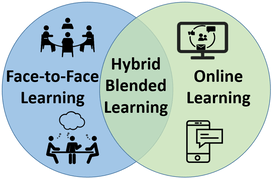
Supplementary hi-tec and refined improvements in the domain of ‘digital empowerment’ (or what might be referred to as CRISMATICS, namely proficiencies in the use of Computers, Robots, and Artificial Intelligence) are constantly being achieved. In particular, technological upgrades encompassing online, hybrid and blended assistance are introducing a broad array of choices comprising robotic features relating to mannerisms, gender, dress, accent, social aptitudes, selected pastimes, and hobbies. Similarly, many related practical skills and tips – making apt changes to one’s home; managing medication, cerebral rehabilitation, and preplanned healing processes; engaging with companies and providers – could be incorporated to expand a robot’s breadth of usages. (The Scottish Dementia Working Group, 2024, contains feasible themes for inclusion.) As the extent of personal requisites are diverse and varied, the availability of differing types and categories of androids will be generated to meet individualised requirements. There can be little doubt that, in their forthcoming roles as carers, robots will become progressively helpful in ameliorating the lives of persons experiencing disabilities, aiding their caregivers, and working constructively alongside qualified specialists, such as occupational therapists and other allied health professionals.
Impending challenges facing researchers and developers
In researching on how best to engage robots, attention will need to be paid to both qualitative and quantitative features. For example, regarding persons living with dementia and their carers, qualitative aspects could embrace a wide range of robots’ competences and users’ preferences as well as their facility to enrich communal contexts and lived experiences (Shi and others, 2025). Researchers may wish to explore how to adopt more nuanced approaches to established habits as regards: offering to help in difficult circumstances; enhancing interpersonal relationships and mental health; proposing guidance on recreational and leisure activities; using good communication skills; finding how best to exploit robots’ infinite patience; making appropriate use of humour; counteracting distress; and giving more time and opportunities for carers to engage in other essential pursuits.
Quantitative enquiries could involve collecting and analysing data as measures relating to emotional responses, personal satisfaction, and efficiency in reinforcing key skills. Accurately-gauged, measurable analyses of micro-moments and movements have the capacity to identify pathways towards advantageous targets. Thorough, solution-focussed research across a complex interplay of situations may reveal which factors are the most impactful and transformative. By aggregating with artificial intelligence (AI), conclusions can be drawn and suggestions outlined regarding environmental improvements. Two expedient advances could be a greater focus on: (1) statistically evaluating the quality and suitability of assistive robots’ contributions to recipients’ security and welfare; and (2) their accuracy vis-à-vis feedback when making recommendations pertaining to measures of contentment and self-worth. Clearly, detailed studies to further promote motor and cognitive factors are required to ascertain successful procedures and long-term outcomes. (Seino, 2024.)
“There are endless number of things to discover about robots. A lot of it is just too fantastic for people to believe.” (Daniel H. Wilson, author of “How to Survive a Robot Uprising”)
Concluding comments
Research has indicated that robotic care interventions have the potency to enrich the quality of the lives of vulnerable people (Nam and Park, 2025). Nevertheless, given the complexity of challenges which carers can encounter, it is meaningful for ongoing investigations to discover innovative ways for their apposite involvement when being employed. In combination with topics mentioned already, areas of interest could include robots’ roles to: make adept use of kindness and good manners in enhancing relationships between carers and those being supported; overcome social marginalisation and loneliness by establishing novel forms of friendship and comfort; show empathy when a person is confused, troubled, or distressed; improve carers’ knowledge, understanding, and indispensable skills; and suggest appropriate strategies, such as compassion-focused therapy, to address specific needs. Briefly stated, robots have the potential to provide ‘wrap-around scaffolding’ to enhance and maintain lifestyles by concentrating on what really matters.
At the beginning of this paper two key questions were raised about the current use of robots as carers. The challenges for future developments can be reviewed by spotlighting two other related and important enquiries: “How can the ‘robotic revolution’ be implemented more effectively in the promotion of the principles and attributes underlying first-class care?” and “How best can both carers and those in need of assistance benefit from scientific advancements in practical, accessible, and flexible ways?” During periods of rapid progress it will be crucial that best practices, and the added value of robots’ pragmatic contributions, are made well known to caregivers.
A mischievous question: Will the day come when a robot self-evaluates its efforts by resorting to its own version of the ‘serenity prayer’ reflecting as to what is beyond its control, asking for the courage to continue to do good work, and requesting wisdom to know the difference? (See Footnote No. 2.)
Footnotes
1. Carers can feel hassled on occasions and, particularly when they are under pressure, they may lose track of their timing of routines and responsibilities. It is relatively easy for them to program a robot to ‘time travel’ – a term sometimes used for providing questions and nudges about duties either to caregivers or to those whom they are assisting. For example, for a person in need of care the robot might say: “It will soon be time for you to take your medication. Shall I fetch it for you? Be sure to take one capsule, along with a glass of water.’’ Or to a caregiver: ‘‘You have had a very busy morning. If it is not raining, perhaps you may want to go outside and relax for 10 minutes or so? Or would you rather listen to some music?”
2. The serenity prayer has been attributed to Reinhold Neibuhr (1892 -1971). It emphasises the importance of reflection, courage, and wisdom – all key features of high-quality caregiving!
3. The website of Edinburgh Napier University contains helpful insights regarding the integration of robotics into occupational therapy and dementia care, including a video highlighting key aspects of this topic.
References
1. Seino, K. (2024) An Exploratory Literature Review of Robots and Their Interaction as Assistive Technology for Persons with Disabilities: Focus on Promoting Activity and Participation. In Baratgin, J., Jacquet, B., and Yama, H. (eds.) Human Artificial Rationalities. HAR 2023. Lecture Notes in Computer Science, Volume 14522. Springer. Cham.
2. The Scottish Dementia Working Group (2024) Our “Top Tips” for living well with dementia. Published by Alzheimer Scotland.
3. Mecalupu, V., Miller, E., Martin, L., and Caldwell, G. (2025) Human-robot interactions and experiences of staff and services robots in aged care. Nature, Scientific Reports, 15, Article Number 24945.
4. Shi, W., Zhou, W., Wang, R., Shen, H., Xu, N., and Wang, J. (2025) Exploring the perceptions and experiences of caregivers with the application of socially assistive robots in dementia care: A systematic review of qualitative studies. International Journal of Nursing Studies, July 2025, Volume 167: 105084.
5. Nam, S. and Park, E. (2025) Effectiveness of Robot Care Intervention and Maintenance for People with Dementia: A Systematic Review and Meta-Analysis. Innovation in Aging, Oxford University Press, Volume 9, Issue 3.
6. Wu, D., Pu, L., Jo, J., and Moyle, W. (2025) Technologies and Applications of Robots in Dementia Care: A Systemic Review. Journal of Intelligent and Robotic Systems, Volume 111, Article number 33.
Linked blogs include:
1. Technology at work on behalf of persons being cared for and their caregivers https://improvingcareand.education/2022/10/25/technology-at-work-in-social-care/
2. Good Practices: Enhancing Brain Health – biological research, technologies, lifestyles https://improvingcareand.education/enhancing-brain-health-biological-research-technologies-lifestyles/






















 Improving Care and Education