


The mission of this website is twofold: (1) to support all those who wish to enhance social care for those in need; and (2) to contribute to improving the quality of education for all students regardless of age or learning abilities.
Category: General
This category is intended to relate to common or general topics which may be of interest.

Frank O’Hagan
Introduction
This article has been written in a personal capacity and also incorporates perceptions gathered from other caregivers. Much could be mentioned concerning the multi-faceted contributions of Allied Health Professionals (AHPs) when assisting persons experiencing various forms of frailty and neuro-degenerative conditions, such as dementia and Parkinson’s Disease, and their carers. However, to examine them all is well beyond the aims and scope of a brief paper. Furthermore, research relating to improving health performance can be very complex but worthwhile (Chalmers and others, 2023). Rather, after commenting on AHPs’ overall involvement in various aspects of promoting healthier and happier standards of living, the main theme is a discussion on how some key areas of their work might usefully be taken forward.
A philosophical perspective on enriching lifestyles
Contemporary society requires to endorse an authoritative voice on behalf of services which prolong ‘quality-adjusted life years’ (QALYs). This movement underlines the advantages of both extending worthwhile everyday procedures and boosting good brain health. Rather than being wedged within a narrow medical model, there have been transformational changes towards what can be viewed as more personalised bio-psycho-social approaches. These concentrate directly on addressing the identified needs of both individuals and groups. There is an acceptance that all and sundry are different and that differing traits are acknowledged. Approval across diversity is recognised, validated, and celebrated. In advocating this climate for advancement, AHPs have been involved in developing beneficial initiatives and community-based programs to foster both physical and mental health.
There are many forms of interventions and support which can pause, reduce, or even reverse, rates of cognitive deterioration. Although, in the main, neuro-degenerative diseases are deemed as presenting intellectual and social challenges for older age groups, population statistics point to a wider ageing spectrum than is commonly supposed. Decision-making should be based on the ‘double empathy’ principle – in this case, a collaborative ‘coming together’ of the needs and wishes of persons experiencing disabilities and family caregivers in conjunction with the judgements and competences of professionals. Relationships should successfully combine the lived experiences, self-advocacy, and proposals of the former alongside curative and therapeutic procedures prescribed by the latter.
As implied earlier, a central characteristic of AHPs’ work is all about the pursuit and enrichment of the common good. This calls for comprehension and aptitude which are essential in effectively undertaking specific tasks. It also requires a range of suitable personal attributes such as thoughtfulness, compassion, open-mindedness, tolerance, and integrity. A focus on inclusiveness means that no one will be marginalised or disregarded. In addressing the needs, interests and benefits of individuals, a genuine sense of awareness, responsiveness, and care will have much to offer in strengthening dexterity and confidence. Innovations and training in features across dieting, fitness, movement, communication, technology, art, and music have brought to light the hidden, imaginative, and creative potentials of participants who previously had been ignored or ostracised. There is certainty that participatory physical, technological, and arts-based options can offer restorative experiences and augment emotional feelings.
“It is time to recognise the powerful contribution the arts can make to health and wellbeing.” (All Party Parliamentary Group on Arts, Health and Wellbeing, 2017)
Pathways towards further advancements
Although in recent years there has been a great deal to commend, there remain issues to grapple with and topics to examine in order to ensure that adeptness and productivity are enhanced. During the examination of five interrelating areas, it is proposed that the following pertinent questions are kept in mind. (a) While the responsibilities of AHPs are rightly regarded as focussing on health and wellbeing, would it be even more appropriate to emphasise and include ‘healing’ and ‘therapy’ as essential components? (b) Would the motif of ‘Promoting healing, therapy, health, and wellbeing’ seem applicable and all-encompassing? (c) Is the expertise of AHPs potentially untapped and their services underrated? (d) How can sensitive, flexible, and considerate interventions be developed to enhance future provision for those in need of assistance?
1: Establishing more collaborative networking
There are three aspects of fostering multidisciplinary alliances which are worthy of deliberation, namely – with carers and their families; between AHP groups within the same service; and connections across service providers.
From the standpoint of caregivers there can be both gratitude for the contributions of AHPs but simultaneously a realisation that their involvement is not well understood. In particular, there could be a lack of clarity vis-a-vis their functions and responsibilities. Often many carers do not know about them and others discover their relevance by accident. A great many people who require support belong to what is often referred to as the Silent Generation (persons born between 1927 and 1947). They, and other generations, can be ill-informed on the services obtainable or be hesitant to ask. There would be advantages in publicising policies and the availability of support more widely, including before a diagnosis of any distressful ailment is confirmed, to broaden caregivers’ capabilities and insights.
There also appears to be an interest on how there might be improvements in collaborative practices both between various AHP groups within a service and also across the boundaries of their employers. Pressures resulting from future budgeting may well affect the recruitment, coaching, and availability of frontline personnel. The consequences may necessitate the need for additional joint training and innovation. Evaluation leading to improvement will entail examining and auditing various factors such as how time is spent, the effectiveness of planning, the usage of resources, the number of carers and families involved, and feedback from all staff and participants. The overall aim of these tasks would be to take forward the proficiency of professional roles and making known their worth in maintaining wellbeing (Alzheimer Scotland, 2020).
2: Utilising expert knowledge and applying specialist skills
There will always be a requirement to constantly review abilities and to learn about up-to-date research findings on both the acquisition and application of evidence-based routines. Inevitably, there will be a wide continuum of criteria and quality regarding courses being offered within and between providers. Study and professional guidance are essential for the reinforcement of high professional standards (Healthcare Improvement Scotland, 2023).As indicated earlier, there is substantial scope for more collaborative continuing professional development focussed on assessment, counselling, and therapeutic interventions among AHPs. Perhaps the adoption of a COM-B model – with an emphasis on capability, opportunity, and motivation – will facilitate the identification of barriers and increase impactful professional practices. A worthwhile venture is to ascertain what have been termed ‘islands of excellence’ – examples of outstanding projects, methods and schemes which are verified as highly successful in sustaining healthier, societal self-assurance. There is considerable scope for practitioners to learn from such exemplars. Generously shared, observation of and training in ‘what works’ have much to offer.
3: Delivering inclusive and empathetic approaches to carers and disadvantaged persons
In line with what has been stated, many of those in need of relief, especially when confused and under pressure, are often unaware of what backing or funding might be available to them or even to whom they can turn to for advice and guidance. They require to be informed apropos the skillsets and availability of AHPs. Thoughtfulness and good sense will circumvent explanations which are too complicated for the listener or terminology which cannot be understood.
It also is the case that carers often complain about having to repeat their worries over and over again to professionals. As facilitators, AHPs can complement other groups’ participation within what can appear to outsiders to be a very convoluted social care system. Careful listening and clarification of any misapprehensions enhance collaboration and help avoid potential accidents or disagreements. The importance of the impact of public interactions and connectedness on psychological functioning and good mental health is beyond doubt. The old Latin adage “Nihil de nobis, sine nobis” (“Nothing about us, without us”) is frequently used in modern times by marginalised groups.Itremains highly apposite in the everyday affiliations which AHPs establish and maintain. When they are involved in direct support and proactive interventions, good practice necessitates that they confer closely with vulnerable people and carers, seek their views concerning previous oversights, help them to combat humiliation, and involve them in administrative matters.
“People with dementia and carers are keen to see the development of new approaches to person-centred care based on human rights principles of dignity and respect.” (Alzheimer Scotland, 2024)
There is clearly a role for AHPs to act as consultants in lessening apprehensions and anxieties while building self-esteem, fortitude, and resilience among carers. Due partly to the paucity of staff in some localities, proficiency in demonstrating procedures and ‘giving away skills’ is necessary in order for carers to undertake their own responsibilities more independently and effectively. In doing so, well-judged consideration of differing requirements will need to be taken as ‘one size fits all’ stratagems are generally unsuitable and misplaced. Working better together will result in greater efficiency, bolster community-based provision, and earn the admiration and trust of those who require assistance.
4: Providing high-quality, person-centred assessment
Currently, more discerning benchmarks are required at a national level pertaining to the evaluation of needs and subsequent planning for those experiencing cognitive ailments. Patience is critical in ensuring that recommended programs are firmly based on research and professional experiences. When collecting relevant personal information and identifying distinctive requirements, what might appear to be ‘a kaleidoscope of needs’ is revealed. Well-chosen targets and markers for progress hopefully will emerge and be articulated in a nuanced manner. Depending on circumstances, different types of assessments may be utilised. For example, self-referenced assessment to evaluate abilities against their previous levels across a designated period of time, or goal-based assessment to record the reaching of targets which previously had been set and understood by individuals or groups. Irrespective of the forms of valuation which are used, the spotlight must remain on living well, securely, and contentedly.
It is generally conceded that the frail and troubled exhibiting reduced brain health frequently have been neglected or overlooked with regard to a timely diagnosis. The sooner appropriate action is taken, the better. A well-tailored, personalised plan should be created and activated after the needs of individuals have been carefully and fully reviewed. Even when implemented, it is only to be expected that, at times, reactions to scheduled support and interventions may differ from intended outcomes or predictions. The suggestions from persons being helped and their carers are crucial when short- and long-term aims and goals of plans are being devised. These should cover recognised strengths and positive proposals for future development. Features of this process entails competent decision-making and the appraisal of contexts such as financial difficulties, inadequate living accommodation, environmental hazards, and mental health when deliberating on factors relating to risk and prevention. (Healthcare Improvement Scotland, 2023 and 2024; Livingston and others, 2024).
“We know that social isolation and loneliness is bad for our health, both mental and physical. It is essential that we recognise who in society is most affected and focus our efforts to tackle these inequalities.” (Scottish Government, 2023)
5: Highlighting progress and attending to regression
The monitoring of national strategies and policies from across Europe clearly indicates that there are ongoing inequalities connected with dementia care and treatment. (European Dementia Monitor Report, 2023). There also should be recognition that there are significant disparities within individual nations regarding backing for all forms of deteriorating mental health.
The insightfulness and collaboration of AHPs and family carers can be highly productive in detecting the complex nature of an individual’s obstacles and setbacks. Together, they can pinpoint unintended consequences of potentially harmful habits and formulate helpful solutions to mitigating and overcoming potential dangers in both home and local environments. Clearly, stimulating teamwork can enrich the daily routines of persons experiencing dementia through finding profitable ways to thwart relapses.
First-rate monitoring will provide substantial information, feedback, and guidance to augment the effectiveness of mediation and aid. Frequently, there is a need to update scheduling based on the progress or regression which has been measured or observed. The rationale may be that advances, even when confirmed, are slight or exceedingly non-linear. Alternatively, on occasions, more challenging modifications to what had previously seemed suitable may now be necessary because of rapid, flourishing headway and unexpected accomplishments. When detected, all achievements should be acknowledged, recorded, and commended.
Summary and concluding comments
The competences, know-how, and programs of AHPs are of great value and much appreciated by family carers. Active listening and mutual exchanges can be the foundation on which feelings of empathy, confidence and security are reinforced. Their long list of welcomed undertakings can include endeavours in enhancing: self-assurance; trust; interpersonal relationships; communication; household safety measures; physical vigour; mental health; and empowerment. Additionally, the characteristics of successful participation may embrace: taking full account of subjective experiences; demonstrating tactics to relieving stress; carrying out salutary tasks concerning the anticipatory/pre-death grief of carers; alleviating troubles and angst following the bereavements of loved ones; providing advice on connectedness with nature and the benefits of making good use of green spaces; and the employment of humour and novelty when appropriate.
The role of AHPs in promoting positive and fulfilling lifestyles for loved ones is cherished and respected by caregivers. As recipients continue to receive valued assistance and realise the benefits of individualised, group and communal inputs, they will wish to have more access to the services of AHPs. It is suggested that further developments along the lines outlined in five inter-connected areas, namely:(1) establishing more collaborative networking; (2) utilising expert knowledge and applying specialist skills; (3) delivering inclusive and empathetic approaches to disadvantaged persons and carers; (4) providing high-quality, person-centred assessment; (5) highlighting progress and attending to regression; will further advance the quality, efficiency, and outcomes of their contributions.
References
1. All-Party Parliamentary Group on Arts, Health and Wellbeing (2017) Inquiry Report Creative Health: The Arts for Health and Wellbeing. Second Edition.
2. Alzheimer Scotland (2020) Connecting People, Connecting Support – Transforming the allied health professionals’ contribution to supporting people living with dementia in Scotland, 2017-2020.
3. Chalmers S, and others (2023) The value of allied health professional research engagement on healthcare performance: a systematic review. BioMed Central Health Services Research, 23, Article number 766.
4. Scottish Government (2023) Social isolation and loneliness: Recovering our Connections 2023 to 2026.
5. Healthcare Improvement Scotland (2023) Scottish Intercollegiate Network SIGN 168 Assessment, diagnosis, care and support for people with dementia and their carers.
6. European Dementia Monitor Report (2023) – Comparing and benchmarking national dementia strategies and policies. A report from Alzheimer Europe.
7. Alzheimer Scotland (2024) Commission on the Future of Long Term Care in Scotland report.
8. Healthcare Improvement Scotland (2024) Ageing and Frailty Standards.
9. Livingston, G. and others (2024) Dementia prevention, intervention, and care: 2024 report of the Lancet standing Commission.
Related website blogs:
1. The potential benefits of community support in action https://improvingcareand.education/23/02/07/community-support-in-action/
2. Approaches towards inclusive living for people in need of care https://improvingcareand.education/2023/09/19/approaches-towards-inclusive-living-for-people-in-need-of-care/
3. Music as the Carer’s Friend and Assistant https://improvingcareand.education/2023/12/11/music-as-the-carers-friend-and-assistant/
4. Communication Matters https://improvingcareand.education/2024/03/28/communication-matters/
Frank O’Hagan
Introduction
Carers always need to be mindful that, as far as dementia is concerned, communication can be both complex and tricky. It calls for careful consideration being given to aspects of talking, listening, reading, writing, and technological usage. Each of these forms of communication is multi-faceted and may overlap with others to some extent. Thoughtfulness and sensitivity are required in the use of both verbal features such as speaking, writing messages, labelling, singing, and non-verbal aspects for instance pointing, signaling, touching, and so forth. All have a role to play in ensuring that clear-cut messages are conveyed meaningfully and efficiently.
The effectiveness of exchanges is dependent on the quality of a person’s physical wellbeing (such as hearing and sight), mental health (for example, awareness and comprehension), interpersonal skills (abilities in relating to others), and context (whether at home or in an unfamiliar place, levels of noise, and interruptions, etc.) Caregivers have the task of taking full account of these variables every day and sometimes even on a moment-to-moment basis in a period of crisis.
Although this post is focused mainly on communicating with persons experiencing dementia, the ideas presented may also be supportive for others with hearing loss, suffering from trauma-induced problems, or having significant learning impediments. The good news is that it is amazing how dedicated carers can intuitively acquire appropriate competences to communicate capably in a variety of situations. They quickly discover that little things can enhance the quality of person-centred communication. Key skills include being a patient and expert listener, keeping questions straightforward, and never causing any feelings of humiliation or embarrassment.
Strategic approaches to think through
When trying to understand the nature of communication difficulties, attention to changes concerning the symptoms of dementia, making the most of existing circumstances, asking appropriate questions, and having the ability to cope with ‘outsiders’ are of importance (Volkmer, 2023). In practice, there is a wide range of beneficial interactions to employ during everyday pursuits. Depending on the needs of people with dementia and the setting, some methods will prove to be more successful than others. Routines to bear in mind might include the following.
1. When addressing persons, face them directly and state their names at the beginning of the conversation to gain attention and to show a genuine interest in their opinions.
2. Be on the outlook for confused or puzzled expressions which indicate that you are not being understood.
3. Avoid statements or requests which are too intricate for the listener. Now and then, Joseph Priestley’s warning is pertinent –“The more elaborate our means of communication, the less we communicate.”
4. Re-phrase, or repeat succinctly, if a suggestion is not being conveyed adequately. Give the listener sufficient time to reply to comments and questions.
5. Try your best to prevent anyone from ‘talking over’ or ignoring a person experiencing difficulties and only conversing with you.
6. To ensure that the topic or object which is being discussed is clearly comprehended, it is often helpful to explain and to point simultaneously. (Illustrations: (1) When going out for a walk to say “Let’s go now”, point to the door, and then open it. (2) When planning to take a drive in the family car, drawing attention to the passenger seat and inviting the person to get in.)
7. Good use can be made of photographs, keepsakes, poetry, and music to recall pleasant memories. This approach – which gradually might become a shared ‘life story’ – could be particularly constructive when individuals are unsettled or distressed. If asked to switch on a playlist of favourite songs, do not be surprised if they join in singing and know all the words, even if at an advanced stage of dementia. Words which you may have forgotten!
Additionally, if you have the opportunity, please consult the ‘Footnotes’ towards the end of this article for hints which may be of value when communicating with someone who has dementia.
Addressing challenges which caregivers may encounter
Carers can enhance the quality of their own lifestyles, and those of persons for whom they care, by way of their well-judged management of practices and resources which help to administer and structure busy schedules (NHS Health Scotland, 2013). Communication, in a wide-ranging and all-embracing perception of the term, can encompass some or all of the undermentioned procedures.
1. Devising comprehensive checklists to cover all essential aspects of maintenance and safety in the home such as locking the main doors particularly at night-time, closing windows, how to control the central heating system, etc.
2. Sticking notices or ‘post-its’ in prominent places as reminders of when to engage in pastimes or recreational interests, have meals, and carry out household chores.
3. Placing labels – maybe combined with colour-coding – on drawers, wardrobes, and cupboards to make it easy to find clothing, shoes, and utensils (Scottish Dementia Working Group, 2017).
4. Making use of a traceable security wallet to safeguard items which might frequently be misplaced or lost such as keys and tickets.
5. In addition, utilising technological appliances can be of great value in the forward planning of weekly duties and responsibilities. In the case of those facing difficult circumstances, programs can be devised to remind or alert carers about their timetable for tasks concerning dressing, toileting, medication, meals, outings, and so forth. Technologies also are supportive in: sending out up-to-date information on local events; providing friendship toys, games, quizzes, and other forms of entertainment; tracing someone who is missing; and directly contacting friends, neighbours, or social services when emergencies arise.
“Communication is one of the most important skills you require for a successful life.” (Catherine Pulsifer)
Some further comments regarding non-verbal communication
Various forms of non-verbal communication, usually together with speech, are advantageous in the course of transmitting and reinforcing advice and guidance. These include:
1. Gestures – perhaps raising a thumb or clapping to communicate approval for an achievement. Likewise, ‘body language’, for example facial expressions such as smiling will show happiness and pleasure whereas grimacing will convey disapproval.
2. Modelling techniques – to demonstrate how to carry out specific practical activities (e.g. carefully showing someone how to use a remote control; or to stand in the correct space for taking a shower, and then asking for your actions to be copied).
3. Mirroring (occasionally referred to as adaptive interventions) – to follow or adjust to the same or similar styles, signs, sayings, and habits as the person who is being helped. In this way, a carer can learn how best to simulate and employ an individual’s preferred processes of communicating.
4. Showing love and affection – to send very positive and uplifting messages. For instance, when someone living with dementia is having a bad day, a gentle hug may be sufficient to bring solace. Similarly, it is no surprise when a kiss from a partner, a child, or grandchild turns out to be a powerful means of restoring self-confidence and assurance.
A cautionary note: “Not all tools and techniques will be suitable for every individual or every time, and so a modifiable suite is recommended to allow adaptation, for example, as dementia further progresses.” (Collins and others, 2022)
Supporting carers
All carers require social meetings during which they can share their lived experiences with others in order to evaluate their own inputs, learn about best communicative practices, and gain added knowledge of ‘what works’ when challenging occasions occur. Effective forms of collaboration are essential in ensuring that ‘living well with dementia’ becomes the norm within modern society.
Carers deserve and will profit from expert professional advice and assistance to enable them to extend their interpersonal skills including those pertaining to consultation, communication, and the exchange of ideas. Nationally, they will benefit from more breaks to learn about current developments, hone their strategic competences, and evaluate which technological inputs would be most appropriate to meet their requisites.
A consistent message to carers must be to remember that they always should take good care of their own health and wellbeing. Importantly, they require to have opportunities in ascertaining on how best to relax, particularly after stressful incidents, perhaps by way of engaging in artistic activities, listening to music, watching a comedy series on television, or taking a mindful walk.
As a carer, you are an indispensable agent in safeguarding and maintaining high quality support. Your compassion and expertise matter. You matter!
Footnotes
An information sheet of Alzheimer Scotland provides the following ‘12 helpful hints’ when communicating with someone who has dementia. (1) Be calm and patient; (2) Face the person, speak clearly and slowly; (3) Make sure that you have their attention by gently touching their arm and saying their name; (4) Use short, simple sentences and say exactly what you mean; (5) Try to get one idea across at a time; (6) Allow plenty of time for the person to take in what you say and to reply; (7) Try not to confuse or embarrass the person by correcting them bluntly; (8) Use questions which ask for a simple answer; (9) Don’t ask questions which test their memory. e.g. ‘Who am I?’ or ‘What did you do yesterday?’; (10) Talk about familiar people, places and ideas; (11) Use the names of the people you are talking about instead of ‘he’ or ‘she’. It will remind the person of who you are talking about; (12) Use facial expressions and hand gestures to make yourself understood. (Alzheimer Scotland, 2023)
Additionally, other suggestions regarding communication and dementia are available on the Better Health Channel and, for good mental health, in an article entitled ‘Good Practices: Good Mental Health among Carers’. (See links in References below.)
References
1. Volkmer, A. and others (2023) – Giving Voice to People with Dementia and Their Carers: The Impact of Communication Difficulties on Everyday Conversations. International Journal of Qualitative Methods, Volume 22.
2. NHS Health Scotland (2013) – Younger people with dementia. Living well with your diagnosis.
3. Scottish Dementia Working Group (2017) – Our “Top Tips” for living well with dementia. Alzheimer Scotland – Action on Dementia.
4. Collins, R. and others (2022) – Methods and approaches for enhancing communication with people with moderate-to-severe dementia that can facilitate their inclusion in research and service evaluation: Findings from the IDEAL programme. Dementia, Volume 21, Issue 4.
5. Alzheimer Scotland (2023) Activities: a guide for carers of people with dementia. Link to communication: https://www.alzscot.org/our-work/dementia-support/information-sheets/communicating-with-someone-who-has-dementia-12-helpful-hints
6. Better Health Channel link: http://www.betterhealth.vic.gov.au.dementia-comunication
7. ‘Good Practices: Good Mental Health among Carers’ link: https://improvingcareand.education/home/good-mental-health/
8. A related animation entitled ‘Communication Matters: The Little Things Which Can Enhance the Quality of Person-Centred Communication’ has been designed and produced by Caitlin Quinn and Lucy Beckett.
Acknowledgements
My thanks are due to Professor Elaine Hunter, National Allied Health Professions Consultant, Policy and Practice, and Visiting Professor, School of Health and Social Care, Edinburgh Napier University, and also to Caitlin Quinn and Lucy Beckett, students of speech and language therapy, University of Strathclyde, for their very helpful support and for providing splendid company during the writing of this paper.

Stigmatizing and marginalizing – education’s ongoing conundrum
There is a considerable overlap in what is generally understood by ‘stigmatization’ and ‘marginalization’ in education. The former may refer to having a mark of shame or disgrace which is associated with a particular quality or characteristic; the latter to being ostracized or regarded as an interloper or outsider. Both lead to exclusive practices in education. Often these occurrences are unintentionally influenced by the attitudes and decisions of officials, staff, parents/carers, or pupils. Depending on the context, there is what might be described as an ‘othering continuum’. It ranges from the likes of being demeaned through name-calling by classmates, inadequate advice, the spreading of malicious rumours on social media, and onwards to an extremity of embracing the mantel of hate crime, as for instance, physical assaults on minority groups.
Experiencing inequality and living in underprivileged circumstances gnaws away not only at a community’s social fabric but also increases the hazard of students feeling both alienated and powerless. To make matters worse, young persons and their parents and carers living in these environments may be cut off from support services and benefits to which they are entitled. There is need to recognise and accept that ill-judged and unsuitable educational experiences can contribute to apprehension and low self-esteem among learners of all ages. A key twofold aim of scholarship must be to eradicate stigmatization and marginalization and, in their place, to establish authentic inclusiveness. Flexible, individualised, pupil-centred programs to enable them to gain positive insightfulness regarding their worth and latent abilities can prove to be invaluable. When implemented effectively they can prevent pupils from being treated as scapegoats and objects of derision.
From the beginning of their lives, the sidelining and downgrading of individuals often arise due to features such as physical disabilities, accents, dyslexia, exceptional talents, unusual interests, mental health issues, and social deprivation. Some are experiencing a multiple of disadvantages. Those who have endured poverty from birth, adverse childhood experiences (ACEs), and other trauma-induced occurrences are often targets for ridicule and exclusion. The authentic uniqueness and social identity of children may be threatened and they risk being manipulated into adopting false self-images. Under severe pressure, perhaps related with mental health problems, the injured parties begin to believe that they are incompetent and without merit.
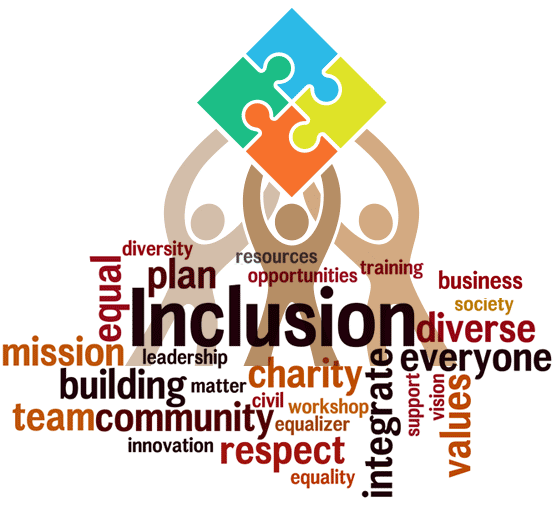
Identifying potential obstacles to the formation of inclusive education
Unsurprisingly, there is a variety of interpretations and expectations, some which at first might appear to be contradictory, of what inclusive education entails. Such variations can be found, not only on a world-wide scale from one country to another, but also across local authorities within the same nation. Of course, depending on where they live, children can have very restricted opportunities to attend school and many simply have no access whatsoever to a formal education. However, The Convention on the Rights of Persons with Disabilities (United Nations) in Article 24 on education declares that “Inclusion involves a process of systematic reform embodying changes and modifications in content, teaching methods, approaches, structures and strategies in education to overcome barriers with a vision serving to provide all students of the relevant age range with an equitable and participatory learning experience and environment that best corresponds to their requirements and preferences.” A follow-up report, this time by the Committee on the Rights of Persons with Disabilities, has been highly critical of the state of educational inclusiveness in the United Kingdom and there has been little evidence of significant improvement in recent years.
One perspective is that inclusive education is largely a matter of finding placements in mainstream schools and colleges for as many young persons as possible. This naïve tendency to deem inclusive education as little more than merely having ‘shared places’ disregards other barriers. Within a so-called ‘integrated school’, there can exist power hubs which exhibit ableism, classism, racism, and intolerance, with scant or no respect for diversity, equity, or inclusion.
Although educational establishments will wish to maintain a friendly and supportive environment, some staff, parents, and carers may feel that the presence of disadvantaged pupils will have a negative impact on academic standards. They might hold opinions of too much attention being paid to those who are less academic or consider them as being incapable of adapting to the school’s ethos. In today’s competitive society, families demand that their children have every opportunity to complete their school education with high attainments in national examinations in order to progress to their chosen university and then onwards to future well-paid vocations. Some would like to place their sons and daughters in independent schools but find them to be overly expensive. They agree that all should have a good education but, for some, not in their own children’s school.
Frequently, too much emphasis is placed on high levels of qualifications in national examinations by education authorities and school leaders at the expense of neglecting those students who are not suited to this way of thinking. This mindset is unfair and detrimental within modern society and realigns the curriculum on offer away from numerous learners. Currently, across nations, educational systems are failing in many ways. For instance, related data indicate that much has yet to be achieved to warrant that gaps in attainment and achievement are being addressed successfully (The Scottish Government, 2023). Often, comprehensive assessments of strengths and needs are of limited valued through links between schools and external support agencies being either unavailable or disjointed. Additionally, formal tests and assessment techniques have been used, and still are, to measure and record the intelligence and abilities, personality traits, and social competences of children and juveniles but, in practice, can be deficient in providing beneficial guidance. Failures to correctly identify pupils’ comprehension, skills and capacities will hinder approaches to learning and teaching. A diagnosis, such as for autism, may initially be helpful but without high-quality follow-up could turn out to be of little worth. It is unfortunate that inappropriate labeling is repeatedly used as a means or excuse for excluding young persons from mainstream education.
“Key tenets of the inclusive education agenda demand a weakening of the insulation between categories that are sustained and advanced by current marketised and standards-driven education systems.” (Walton, 2023)
An effective and compassionate approach to inclusiveness
Holders with accountability in education systems should be brave enough to undertake a reappraisal of current out-of-date structures and practices. Given the everyday insulation and obstacles mentioned in the previous section, it is reasonable to conclude that pathways from exclusion to inclusiveness should take cognizance of the following domains: (1) locational and environmental placements for learners; (2) social and communal relationships; (3) curricular experiences; (4) quality of assessment, learning, and teaching; (5) opportunities to gain relevant attainments and achievements; and (6) development of much more efficient professional collaboration within educational establishments and with external support agencies. Initiatives in these areas can build inclusiveness, foster independence and self-worth, provide apposite incentives for learning life skills, and guarantee training opportunities for entry into the world of work.
1. Establishing integrated learning communities within every authority: To be truly inclusive, pupils will have free and unrestricted admission to schools or what might be better referred to as learning communities. The hallmarks of such enterprises should stretch far beyond mere presence and easy access to premises; their design and amenities must also encourage full social participation and contain services and provisions which will boost physical and mental health, emotional resilience, and wellbeing. In practice, this entails being integrated as much as possible in mainstream education. Education authorities should not only acknowledge the entitlement and human rights of all learners but also monitor and confirm that these are fulfilled.
2. Social and communal relationships: Central to the concept of inclusiveness are feelings and experiences – on the part of all learners – which are characterized by empathy, approval, safety, understanding, and self-worth at the heart of welcoming schools and educational communities. For example, Haegele and Maher (2023) emphasize the importance of intersubjective experiences and wish to encourage “…scholars and practitioners to think about inclusion in more diverse and nuanced ways and that they actively endeavor to construct learning spaces that foster feelings of belonging, acceptance, and value among disabled students and their peers.”
3. Curricular experiences: The aim of ensuring that high quality support is accessible to all students to enable them to achieve their true potential is a noble one. However, by no means, is it an easy task. Designing tailor-made, progressive, learning modules within courses to facilitate students of all abilities to achieve success is a key approach towards worthwhile progression. Curriculums which are genuinely pertinent and contain choice, breadth, coherence, and relevance to match individuals’ needs and aspirations are of great value across every social grouping. Collaborative inputs must continue to develop a continuum of integrated courses and create more helpful ways of promoting academic achievements, practical skills, good physical and mental health, employability, ethics, citizenship, and standards of living. Often there are flawed assumptions of normalcy regarding didactic environments. These can lead to misunderstandings of pupils’ needs and a failure in not adapting teaching programs to enhance headway. Learners should not be expected to fit into a curriculum which makes little or no sense to them. Formulation-driven plans and neurodiversity affirmative frameworks, identifying and valuing individual differences, to ensure inclusive nuanced practices are required.
4. Assessment, learning and teaching: Using assessment strategies which identify both students’ strengths and their prerequisites for progress are beneficial and constructive. They inform and guide teachers towards implementing practical arrangements and alternatives of study which are well-matched to the specific needs of pupils. Use of new technologies, for instance online, blended, and hybrid procedures to enrich lessons, can add variety and a stimulus for greater involvement. Additionally, providing opportunities for staff to extend their pedagogical skills and ensure high-quality learning are essential. Continuing professional development will further increase confidence and proficiency to implement an all-embracing approach to helping those requiring additional enthusiasm to be more robust and resilient during periods of challenge. At times, well-judged interventions targeted on one impediment can also result in improvements in other aspects and be the beginning of a trajectory towards healing, security, and self-respect.
5. Progress and accomplishments: The recognition and certification of potential, attainments, and achievements are extremely significant and advantageous not only for individuals but also for families, local communities, and a state’s cultural and economic growth. Triumphs and successes are about much more than results in national examinations. To record and guarantee credit for progress and accomplishments, it is good practice to maintain a comprehensive profile covering: (1) outcomes of programs of study which have been undertaken; (2) aptitudes and competences demonstrated with regard to tasks, assignments, investigations and, if appropriate, during work placements and occupational training sessions; and (3) attributes and prospects pertaining to citizenship, relational skills, teamwork, giftedness, practical know-how, and participation in sports and cultural activities. For school leavers, the profile could be the basis of a personalised leaving certificate and, with students’ cooperation, include a section on their ambitions and plans for the future.
6. Effective professional collaboration: There is a pressing need for improvements in teamwork across social, health, educational and career services to facilitate the most disadvantaged in overcoming what can only be described as ‘institutionalized’ obstacles and hindrances to engagement within many aspects of modern living. Inclusivity must be our byword and long-term goal. Education which is wide-ranging and all-encompassing has the potential to transform inconsiderate condescension and regressive attitudes within educational establishments, colleges, and employers. Every pupil is important. Professionals need to listen thoughtfully to the authentic voice of students experiencing learning, emotional and physical problems, and their caregivers. To be implemented effectively, particularly in the case of critical incidents, the involvement of support agencies – psychologists, medical personnel, social workers – is crucial. Working collegially, their interventions should foster students’ independence and capability through enabling them to effectively evaluate and express their earnest views about their strengths, diverse requirements, and the qualities of educational facilities which are the most applicable for them.
Outcomes – Everyone can benefit
Within an inclusive ethos, a commitment to implementing targeted policies, planning and resources dedicated to combating unfairness and the harshness of current systems is an essential feature across formal, informal, and shared curriculums. Learners are not expected to ‘fit’ into fixed programs of study – rather their curricular experiences are shaped to ‘fit’ their needs. Syllabuses will have clearly-stated objectives which aim to overcome regressive and negative perspectives and instead will facilitate impartiality, responsibility, and chosen pathways for the advancement of knowledge and skills.
Good relationships with all those associated with a school is a key aspect of inclusiveness. Educators trained in worthwhile ways of communicating with families, carers, and relatives through the effective use of feedback, seminars, and new technologies greatly enhance relationships within the locality. By utilizing webinars and hybrid forms of communication, they embellish partnerships and feelings of engagement. Fruitful alliances with members of families and caregivers keep them well informed and confident to seek advice and assistance in times of difficulty. Receiving guidance from professionals can be valuable in easing the apprehensions of parents and guardians of young people experiencing disabilities or behavioural problems.
The professionalism and integrity of teachers will have the competences to augment ‘can do’ mindsets among learners through providing an optimistic, interwoven mix of choices, empathetic motivational learning, and shared leisure activities. Those with special responsibilities for guidance and pastoral care will ensure that there is a range of therapeutic options to match personalised needs and enhance self-confidence. The culture which prevails will place an emphasis on identifying suitable friends at school and developing interactive skills and camaraderie across the campus.
Inclusive, educational communities will have established close bonds with the full range of health practitioners, social workers, employers, and those delivering courses for apprentices. They also will have successful links with other external organisations – voluntary societies, friendship clusters, sports clubs, charities, voluntary societies, and so forth. These networks will guarantee involvement in events and, on occasions, ongoing assistance at weekends and during holiday and leisure periods. Within the campus, when appropriate, support agencies will have opportunities to oversee various beneficial interventions and strategies which can reinforce resilience and self-agency while enabling participants to build confidence and withstand challenging and threatening situations.
Summary and concluding comments
A truly inclusive educational community will present a wide schedule and choice of appropriate courses for all learners in its catchment area. These curricular packages will enhance potential, attainments, and achievements while also strengthening emotional resilience, understanding, compassion, and a readiness to cope psychologically with current and future stresses. The standard and quality of progress and achievements can be maintained, indeed, improved, while promoting an ethos of equanimity and social justice.
“… the achievements of every learner should be ‘recognised, valued and promoted’. All means all…” (Independent Review Group, 2023)
Stigmatization (the presence of denigrating attitudes and misguided labeling) is linked with marginalization (learners being isolated, pushed aside and neglected) and in turn results in exclusion (pupils feeling unwanted and worthless and, on occasions, being wounded and resentful). None of this is new. The history of education is littered with occurrences of what can only be described as a malevolent and institutionalized epidemic of discrimination, biases, and prejudices.
In contrast, working towards the establishment of genuinely inclusive educational systems demands collective action in addressing and eradicating of such forlorn factors. Changes in public engagement and the implementation of affirmative policies which promote pragmatic, constructive solutions for spreading a vibrant culture of togetherness are essential. Good intentions are not enough. Teachers will require backing and resources in bringing about meaningful and authentic advances. A philosophy of inclusiveness enables educators to generate collective action in the direction of a cultivated and learned society, fairness for all, and personal contentment among youths.
Further good news – there is some evidence that, with regard to public expenditure, inclusive provision may not be as costly as existing arrangements. “A fully inclusive education system in the UK might be more cost-efficient than the mixed-model that we currently have and in terms of ‘social cost accountancy’ may well improve collective mental health and wellbeing.” (BPS Communications, 2022)
acknowledgements and references:
1. The Convention of the Rights of Persons with Disabilities (United Nations) General Comment No. 4 (2016). Article 24: Right to inclusive education.
2. Committee on the Rights of Persons with Disabilities (United Nations) (2017). Concluding observations on the initial report of the United Kingdom of Great Britain and Northern Ireland.
3. The Scottish Government (2023). Scotland’s National Performance Framework (Published online)
4. Elizabeth Walton (2023). Why inclusive education falters: a Bernsteinian analysis. International Journal of Inclusive Education (Published online: 31 June 2023)
5. Justin A. Haegele and Anthony J. Maher (2023). Toward a Conceptual Understanding of Inclusion as Intersubjective Experiences. Educational Researcher, Vol. XX No. X, pp. 1-9
6. Independent Review Group (2023). It’s Our Future: Report of the Independent Review of Qualifications and Assessment (Published online by The Scottish Government)
7. BPS Communications (2022). Position Paper. The role of educational psychology in promoting inclusive education. (Published online: 26 April 2022)
8. The blog of David Watt (University of Glasgow) for a detailed focus on a wide variety of theoretical and practical topics relating to inclusive practices at: https://inclusivepracticessite.blog
9. Inclusion and Equity in Education: Key Principles and Characteristics at: https://improvingcareand.education/home/inclusion-and-equity-in-education-key-principles-and-characteristics/
10. An article on diversity, equity and inclusion at: https://improvingcareand.education/2021/07/11/diversity-equity-inclusion/
Frank O’Hagan

Can the power of education ‘give peace a chance’?
How can educationalists address the question of why – when in modern times we have witnessed so much progress in terms of academic research, scientific discovery and technological achievements – humankind is so frequently unsuccessful at establishing and maintaining pleasant and cooperative conditions for everyday life? Of the many sayings coming down from Confucius, one which is certainly worthy of consideration goes along the lines of ‘Education breeds confidence. Confidence breeds hope. Hope breeds peace.’ In what ways then can education promote self-assurance and trust and, in turn, contribute to peace and concord in society?
Harmful emotional reactions, standpoints and behaviours are not necessarily fixed and constant attributes; they can be modified in positive directions by stimulating and constructive learning environments. Young persons deserve opportunities to develop sympathetic impulses and mature, well-balanced outlooks. If they build and cultivate candid and honest ‘growth mindsets’, they can become more skilled at meeting challenges and postulating possible routes for settling disagreements. Educationalists have important roles to play in putting forward balanced and open frames of reference from which dialogue can begin to explore problematic situations in a detailed and objective fashion.

Peacefulness –benefits to be found at personal, social and national levels
Peace of mind. At a personal level, tutoring and support can act as a foil against threats to safety and welfare by drawing attention to unsafe risks in hectic, frenzied and over-productive lifestyles. Selected themes and topics for reflection often lessen unwanted internal pressures, enhance self-care and encourage relaxation strategies. Additionally, guidelines and content in this domain have a significant spin-off when they highlight and boost sought-after personality traits relating to self-knowledge, insight and goodwill. These may cover: high-quality judgment and decision-making; tolerance of and respect for others; proficiency in arbitration and conflict reduction; and the virtue of forgiveness which, unsurprisingly, happens to be associated with wellbeing and mental health. It is evident that acts of moderation and solicitude are crucial in the context of interpersonal dissension. The processes of negotiation and conciliation, coupled with compassion, in any form of altercation can manoeuvre to peaceful conclusions and amity on all sides. Resulting rewards include affirmative feelings such as gratification, contentment and sense of belonging.
Peace within families and communities. Building warmth and cohesiveness in and across groups demands attention from one and all. A holistic stance – encompassing the involvement of children and young people, families, schools, colleges, and their localities – is desirable. This perspective advocates that it is wrong not to care about a wide spectrum of household and regional issues which includes intercultural tensions, racial discrimination and unfair employment practices. It regards our biases and narrow-mindedness, to some extent at least, as a cause of communal disunity. Simply wanting to sit on the fence is not an option. Nor is peace without social justice. A shared commitment – facing up to bigotry and unscrupulous customs and progressing with the objective of implementing purposeful substitutes – is not only advantageous but a key requirement. As a consequence, the function and strength of education to provide a comprehensive focus on seeking and appraising remedies should be exploited.
Peace amongst nations. Conflicts and hostilities produce so much misery and destruction in their wake with the innocent and uninvolved, time and again, suffering most severely. In war, even those with supposed right on their side have been known to commit terrible atrocities. Education for peace makes it possible for all of us to comprehend more fully the drivers which bring about rifts between states – poverty and unfairness, corporate greed, climate change and so forth. It can empower learners to reflect, not only on their own individual goals, but also on how to make their civilisations and nations safer and happier. It allows them to move on from self-centred considerations to an in-depth understanding of the responsibility which everyone has in building connectedness at a global level.

Dwight D. Eisenhower (1959)
Education as a vehicle for creating and reinforcing respect and trust
The exploration and promotion of peaceful co-existence can take place in our educational institutions by utilising a variety of informative approaches. At all phases, care needs to be taken to ensure that the values of harmony and camaraderie are presented in an age-appropriate manner. For nursery children, these could include story-telling, role play, establishing friendship bonds and triggering collaborative behaviours. As pupils move through the stages of primary education, suitable engagement in areas such as reading, art, drama and project work, comprising both bygone and prevailing events, will extend their knowledge and appreciation of choices for resolving needless turbulence in daily living.
Similarly for adolescents, peace might be a topic in its own right in personal, social and health education (PSHE), wellbeing or psychology as well as incorporated into curricular areas. By its nature it might be organised – particularly in the early years of secondary education – as a cross-curricular theme embracing a range of subjects, for instance: English, the arts and historical studies. In literature, both novels and poetry could provide highly illuminating insights about the origins and outcomes of conflicts; in music, prejudice and reconciliation could be investigated via protest ballads and anti-racist songs; in art and design, posters and paintings could demonstrate the horrors of cruelties or the delights of public accord; and in history, students might be asked to examine recent attempts to establish pacts with regard to international disputes or the reasons behind outbreaks of civil unrest in past ages.
As youthful minds try to come to terms with societal divisions, they strive to obtain solutions to bothersome predicaments. Why is there a lack of openness, integrity and humility among leaders and spokespersons of rivalling causes? How do obstinate and untrue perspectives sustain so much mistrust and belligerence across divided sectors in modern-day society? Why is ‘fake news’ a powerful scourge of honesty? Young people (indeed all of us!) need opportunities to confront falsehoods and inflammatory remarks, including those disseminated to support or incite animosity against beleaguered groups. At national and international levels, the manner in which politicians or military commanders make use of jargon, including stigmatisations and superficial slogans, about hostilities is worthy of analysis. Exemplars of this modus operandi can be found in expressions like ‘friendly fire’ and ‘collateral damage’ when casualties are shown to have been innocent bystanders. Similarly, pupils can pinpoint devious and furtive statements circulated in misleading explanations or excuses which attempt to provide moral justification after horrendous mistakes have occurred.
Appositely-chosen teaching blocks dealing with common issues about collective welfare will connect with learners’ worries and concerns. Programmes of study which are aimed specifically at fostering citizenship or probing parochial controversies can profit greatly if due account is taken of the recurring cultural circumstances which both juveniles and their parents are experiencing. At a time of ethnic unrest in a school’s catchment area, it could be vital to place a robust emphasis on intercultural empathy and respect in order to boost positive relationships among those from differing backgrounds. Teachers can outline scenarios illustrating the value of empathetic interventions in communities and the benefits of peaceful co-existence. While it may be fanciful to expect immediate or all-embracing answers, current matters relating to bias and discrimination within and between neighbourhoods can be addressed tactfully and judiciously resolved. Open-ended discussion is one worthwhile tactic for ascertaining the motives underlying dogmas and ideologies which sponsor or endorse quarrelsome behaviour, radicalisation and terrorism.

Benjamin Disraeli (1851)
Hopeful steps forward to joy and goodwill
Proponents of the ‘violence paradox’ contend that levels of warlike hostility have declined over the ages by means of better governance, advances in social equality and respect for human rights. Of course, this is not to deny that more caring and benevolent norms and traditions ought to be strengthened further. Such headway would be welcomed in well-ordered, liberal societies throughout the world. However, history teaches us that – without warning – stability, cooperation and warmth can disappear and should not be taken for granted. There are various helpful methods, at times overlapping, for prompting awareness and incentives towards a deeper perception of altruistic and philanthropic behaviours. Four of these are touched on sketchily in this section.
Problem-solving strategies. These call for students to: analyse alternative outlooks; research aspects of frailty and weakness in our global family; and suggest options which point to improvements. They also pose questions about moral issues concerning prejudice, poverty, malnutrition, torture, and on customs which permit antagonism to thrive. Violence, when contagious, requires urgent solutions. Problem-solving sessions may provide a springboard for ideas to emerge – the likes of ‘safe streets’ initiatives to counteract unprovoked attacks in disorderly quarters or how ‘contact theory’ has been applied, as with sports, in trying to reduce sectarianism. Additionally, developments in new technologies – for example, the use of drones or robots in so-called ‘cutting-edge’ warfare – undoubtedly call for youthful thinkers to adopt fresh approaches with respect to ethical deliberations. In lessons, while taking due account of the abilities and maturity of learners, challenging questions can be raised. ‘What are the powerful forces which promote tension and trouble in our locality?’ ‘How insightful are we be about the attitudes and ill feelings of opposing factions?’ ‘Can we understand how wild conspiracy theories might have arisen?’ ‘What could we do as agents of change to counter deceitfulness and misinformation?’ Pupils are often found to be skilled in identifying barriers to equity, diversity and inclusion and in outlining well-thought-out recommendations to augment a culture of impartiality and truthfulness.
Teamwork. Assignments produced by partnerships examining the nature of peace, aggression and confrontations offer opportunities for youths to whet their investigative talents. There is a multitude of motivational themes and subjects for collaboration with effectual use made of statistical data, documentaries on contemporary interests and records kept in libraries. Attention can be directed as to how best to evaluate political arguments or national concerns. Such chores enable students to think creatively about how remedies can be found and purposeful, evidence-based mediation implemented. One line for scrutiny could aim at verifying how certain occurrences or situations – abuses of civil rights, criminal networks, climate change, trade wars, victimisation because of religious beliefs, etc. – have given rise to conflict and international hostilities. In some cases, coursework might be related to the endeavours of historical figures – Bertha von Suttner (1843 – 1921) who was the first woman to win the Nobel Prize for Peace, Mahatma Ghandi (1869-1948) and his philosophy of nonviolent resistance, or more recent well-known advocates who have resisted brutality and sought concord.
‘Slow thinking’/ ‘Slow speech.’ These terms are sometimes used, not to highlight the speed with which reasoning takes place, but rather to stress the need for thoughtfulness and attention to detail, especially in taxing situations. Tranquillity and open-mindfulness allow areas of dispute to be reviewed from the perspectives of diverse sides. Individuals or groups ‘agree to disagree’ while expressing their attitudes honestly. Antagonists consent to remain on speaking terms and to ensure that interactions do not become unfriendly or intimidating. Learning tasks examine why the manner in which people exchange feelings, facts and opinions is of great consequence. Words, jargon and context carry emotive weight as when careless or imprudent remarks, albeit when made in jest, become an unintended cause of discord. In fragile conditions, they easily lead to resentment, indignation or create an excuse for an opponent to justify a breakdown in further dialogue. In contrast, trustworthy undertakings will foster reflection on what attributes might be developed in order to negotiate and treat rivals with proper dignity and integrity. In a calm and serene climate, peace may come ‘dropping slow’.
Conflict resolution. An added interesting approach has been the deployment of responsive systems which encourage negotiation and reconciliation. Ideally, and very briefly, these methods involve the enhancement of competences in listening, interpreting differences and seeking common ground in a flexible and even-handed manner. Two confronting parties, in turn, have the opportunity to express their views as clearly as possible. After a presentation, the other side then reflects its particular understanding of what has been conveyed. The process can be repeated, with the assistance of a facilitator, to clarify perspectives and sort out misapprehensions. In this way, both units have opportunities to explain their positions and pinpoint the divergences which need further elucidation. Overall aims are to define the benefits of agreement and identify the procedures by which divergences can be settled, or at least accepted, in a harmonious fashion. In discussions, it may be appropriate to refer participants to the function of formal truth and reconciliation commissions in attempting to ensure that restorative deeds and fair-mindedness prevail.
Concluding comments
In general, though they may not always articulate what is of importance to them, children and young people have shared interests in their futures and in how living circumstances can be improved. Through example and meaningful learning, they develop a deeper respect for values associated with kindness, tolerance and supportive interpersonal connections. The study of bridging frayed relationships contributes to investigating and mapping out how everyone – by means of realistic, open and justifiable courses of action – can advance solicitous and compassionate practices. It challenges simply maintaining ‘normality’ (whatever that might mean?) and focuses on enabling humanity to flourish. When fulfilled, its outcomes relate closely to wholesome mental health and wellbeing and are characterised by the endorsement of an authentic dedication to the pursuit of collective happiness.
(Matthew 5:10)
Involvement in research and fact-finding enable young persons to make informed choices regarding both current concerns, like homelessness and social inequality, as well as measures to implement strategies towards local and worldwide partnerships and concord. Effective and worthwhile schoolwork concerning justice and peace studies can be summarised as consisting of: Promotion of positive values; Enthusiasm and drive for upgrading friendships and alliances at personal, communal, and national levels; Acceptance of evidence-based research regarding what needs to be undertaken; Commitment to delving into how ground-breaking transformations can be accomplished; and Engagement in activities which further inclusiveness and harmony. To be achieved successfully, this agenda presents a complex and demanding set of tasks for educationalists. Hopefully, their endeavours will lead to highly enriching results for learners of all ages; the fulfilment of their aims is vital for the greater good of communities and future generations.
(Frank O’Hagan previously was the Adviser of Studies to Bachelor of Education students at the University of Strathclyde. Later, he was a member of Her Majesty’s Inspectorate of Education.)
Frank O’Hagan

Building a culture of love for learning
When I was a young teacher, I remember a colleague reporting on his child’s first day at school. Let us refer to her as Scholastica for reasons which will become apparent. He and his wife, also a school teacher, had taken care to prepare Scholastica thoroughly for her formal entry into primary education, trying to make certain that she would respond enthusiastically and confidently to her early experiences. The infant class teacher also had made detailed plans to ensure that her precious beginners settled well into their new environment. Initially she gave them the freedom to chat, play and generally explore the classroom and its contents. However, before this first stage of the teacher’s planning was over, Scholastica stood in the middle of the room, hands on hips, and declared that these goings-on were all fine and good but wanted to know when the real learning would begin!
This anecdote raises questions about the nature and value of ‘real learning’ – or of what might be described more appropriately as ‘authentic learning’. The concept can be interpreted and understood in differing ways depending on students’ perspectives. It is characterised by cognitive activities which are developmental, internalised, useful and practical. Furthermore, it has continuity in the sense that it supports and nurtures the acquisition of added knowledge and a deeper understanding of a topic. It is multi-faceted and certainly is not restricted by a single, formulaic procedure or method. Other features would include learners recognising their talents, advancing their comprehension, giftedness and wisdom, and accepting personal responsibility for making progress.
Of course, purposeful learning is by no means confined to what takes place in educational establishments. It is without boundaries. Active minds of both the young and old find enjoyment in seeking out and finding stimulating learning opportunities within their daily schedules. Learners of all ages can experience intellectual satisfaction through a wide variety of ordinary practices and pastimes. These range across reading, group discussions and watching television documentaries to partaking in computer-based and online learning, research and vocational training. Parents, guardians and teachers need to provide time, in terms of both quantity and quality, to listening to learners’ voices, interacting constructively with them and encouraging a love of learning. A hale and hearty society builds a culture in which all wish to extend their knowledge, skills and expertise.
Engagement and ownership
All enthusiastic scholars have the capacity to ‘learn how to learn’ more efficiently. Educationalists have to take a firm stand against the pursuit of superficial knowledge and be able to demonstrate to students that lessons, tutorials and study have both vital purposes and positive objectives. The impact of neurological factors on learning – for example, in relation to brain development, anxiety, stress and sleep deprivation – is rightly receiving close attention from researchers. Undoubtedly, there is a strong case against viewing learning as simply about cognitive and intellectual processes without also considering personal, emotional and social factors.
At all times, attention is required to ensure that students are neither overly bored nor anxious about their tasks. If they are placed unwillingly into academic or training programmes or fail to recognise the rationale behind what is being asked of them, their eagerness and motivation to move forward can easily fade. Well-expressed enthusiasm on the part of teachers can stimulate students and make lessons more enjoyable. On occasions, they may need time to allow for the incubation of fresh ideas prior to proceeding to the next stages of their syllabus. Related to taking ‘breaks’ is the importance of reflection on problems and hypotheses in the consolidation of new information and its practical applications.
In worthwhile academic work, students are active contributors within the overall process and fully engaged in reaching both unexpected or planned outcomes. It cannot be the case of a sibling, teacher or lecturer merely dispensing facts and data. There needs to be genuine intellectual involvement on the part of recipients. Key features are ownership of and commitment to supportive learning pursuits which in turn lead to a better grasp of concepts and the development of more complex competences. Participation can include a multiplicity of cerebral and concrete tasks embracing lateral thinking, investigative assignments and verbal presentations. ‘Digital empowerment’ (or what might be referred to as CRISMATICS, namely proficiency in the use of Computers, Robots, and Artificial Intelligence) opens opportunities for independent learning in areas of special interest. In particular, technological innovations relating to online, hybrid and blended learning have introduced significant prospects for efficacious and self-directed learning. (Please see the reference towards the end of this post.)
Curiosity, creativity, problem-solving
The evolution of an enquiring mind and outlook is another feature which is associated with successful learning. Encouraging research, evaluating findings and examining their own ideas and those of their peers are of consequence. Through such strategies students are enabled to widen their interests in new possibilities, are confident enough to discuss and analyse their efforts, and are willing to explore alternative ways of resolving puzzling issues. Albert Einstein (famous for his ‘thought experiments’) is said to have felt that familiar everyday creative actions were the foundation for highly significant innovative thinking. Although imaginative undertakings and group projects in classrooms are hardly expected to lead to the status of international breakthroughs(!), they undoubtedly are able to act as a catalyst for building up learners’ curiosity and sense of wonder. They can provide motivation to master exploratory techniques and problem-solving methodologies and to delve further into a specific theme or curricular area. However, endorsement in itself may not be sufficient. Skilful questioning by teachers can ascertain what students truly know, prompt them to correct inaccuracies and deepen their levels of understanding.
In contrast, to be avoided at all costs is the occurrence of what the mathematician and philosopher, Alfred North Whitehead, famously called ‘inert knowledge’ and ‘inert ideas’. These terms refer to aspects of information which are acquired by learners without a true grasp of their usefulness. They may only serve an inconsequential purpose and can be of a very momentary nature. Cramming reluctantly at the last minute for an examination, only to forget everything shortly after it is over, could be viewed as fitting into the description of ‘inert knowledge’. To keep knowledge alive, Whitehead felt that it needed to enable learners to undertake effective problem-solving in real-life conditions. Indeed, through an understanding of the faults and failings of inculcating ‘inert ideas’, teachers can appreciate more clearly the genuine value of developing effective tactics to promote indisputable and valid advancement. When engagement in learning is a delightful and satisfying enterprise, the process can build up a dynamic momentum which leads to fresh aspirations and endless possibilities.
The joys of investigation, discovery and verification
A method which can be found to result in augmenting learning is commonly referred to as ‘discovery learning’. This approach focuses mainly on the process of enhancing pupils’ achievements and understanding through providing them with opportunities to explore and find out facts and results by themselves or in groups. In its purest form, advocates adopted a highly non-interventionist mode and, in some instances, this kind of methodology is still to be found. Criticisms of very open-ended pedagogic styles were that they turned out to be too time-consuming within an already crowded curriculum and that learners’ so-called discoveries were frequently inaccurate or frivolous. Certainly such risks exist. Of course, it should not be assumed that children and young people are able to investigate or detect everything; advances in human ingenuity generally build on what others already have ascertained.
Nonetheless, worth consideration as an alternative to a simplistic over-emphasis on unadorned discovery tactics is what might be termed ‘guided discovery’. For example, if required, learners would be given judicious hints, nudges or assistance along learning pathways. Since they may not be able to make progress without suitable backing, lucid instructions on how to move ahead from their prior knowledge will generate success. As a result of the incremental building of self-confidence, they benefit from asking Socratic questions about what they are learning and seek solutions to any inconsistencies or flaws. In time, due to increases in their abilities and autonomy, they can make more rapid steps forward through their own self-regulating endeavours in fact-finding, testing and presentation.
Learning across the curriculum
The need for effective learning and teaching extends across all subjects. We can find many pertinent instances of integrated strategies within any curricular area. The following brief example relating to aspects of personal, social and health education in supplementing some helpful features of life skills and general wellbeing is offered for scrutiny.
Thoughtful tutorials can enable pupils to develop a critical awareness of the messages with which they are targeted through advertising in the media or from reports on political and public affairs. Should they believe what advertisers, politicians, celebrities or, for that matter, some ‘scientists’ are proclaiming? Let’s face it – there is a great deal of spurious and untested information coming their way on a daily basis. Through examining the views and the points being conveyed, they can be asked to explore the intentions of the authors and pundits. If they feel that there are defects in what is being stated, they can proceed to re-examine opinions and identify how much might be exaggerations, inaccuracies, conjectures or misleading assumptions. Cultivating such thinking skills is particularly important if it becomes obvious that there has been a covert aim to encourage them to engage in careless financial practices or to entice them towards dubious or unwanted distractions. Such deliberations illustrate that there are many variables at play in fostering meaningful learning. They also signal the usefulness not only of well-founded knowledge and understanding of specific curricular subjects but also the merits of life and employability skills.
More ‘real-life’ research requires to be undertaken directly within normal school and learning environments rather than in more remote experimental settings. A greater emphasis on evidence-based findings which identify best conditions, including the application of new technological study programmes, for individual and group learning is necessary. Appropriate explorations would include ascertaining the most productive ways of organising scientific studies for adolescents and how to enable young pupils to overcome cognitive and emotional aspects of anxiety linked with the learning of language or mathematics. Some research findings might lead to dramatic progress in curricular areas as could be the accumulative impact of a variety of small but germane improvements. All trainee and qualified teachers should be supported in further advancing their proficiency as practitioner-researchers to enable them to boost and enrich their cherished ‘learning communities’.
Concluding comments
Learning experiences generally require a set of prerequisites which enable them to be successful and effective. These can comprise personal attributes, the structure of programmes of study, the quality of support provided, and family and environmental influences. When optimum conditions reign, valuable outcomes such as self-knowledge, a thirst for relevant information and understanding, objectivity, open-mindedness and creative flexibility are likely to blossom. It is not surprising that total immersion in learning is sometimes described as ‘flow’ or ‘group flow’. Characteristics of this kind will ensure that learners can adapt swiftly and appropriately to evolving and differing innovations, discoveries and occupations. Promoting constructive learning styles across all sectors of society is an immense challenge which every nation should welcome and champion. Significant cultural shifts towards meeting this commendable aspiration should be agreed by all as a highly desirable priority.
Key features of authentic learning for children, adolescents and adults, regardless of their ages, abilities or social backgrounds, include:
- feeling valued and respected within well-planned and stimulating tutorial sessions and other inspiring settings
- being able to listen, pay attention and take account of the ideas, suggestions and advice of trusted friends and teachers
- developing versatility in comprehending instructions and tasks and in responding appropriately and imaginatively in different situations
- having the self-belief and confidence to contribute in both individualised and group activities in order to achieve worthwhile attainments and achievements
- participating enthusiastically in creative and lateral thinking, experimentation, problem-solving work, independent computer-based activities and online seminars
- personalising approaches towards scholarship and erudition while accepting that at times learning can be challenging and needs to be perceived as an essential life-long process
- embracing a culture which is value-based and encourages the acquisition of useful knowledge, in-depth understanding and an array of transferrable skills for everyday living in a changing world.
Reference: For an article on making the most of online, hybrid and blended learning, please use the following link: https://improvingcareand.education/2023/02/16/online-hybrid-and-blended-learning/
Footnote: I wonder what became of Scholastica who clearly was an able and wholehearted learner. I do hope that she found success and satisfaction in pleasant and agreeable undertakings throughout her school career and beyond. Perhaps she became a headteacher or university professor and played a major role in promoting authentic learning for all her students. Assuredly, that is what headteachers and professors do. Don’t they?

(Dr Frank O’Hagan previously was the Adviser of Studies to Bachelor of Education students at the University of Strathclyde. Later, he was a member of Her Majesty’s Inspectorate of Education.)
Frank O’Hagan
Great expectations
It is no surprise that we regularly come across judgements about teachers at the school gate or in the media. Members of the public frequently express an opinion about the overall state of teaching and education, perhaps highly influenced by their own experiences while at school, college or university. Describing any teacher as ‘good’ or ‘bad’ is often unfair and too simplistic. Such evaluations can easily overlook the complexity of both teaching and learning in everyday practices.
In general, government, education authorities and parents appear to accept, at least tacitly, that teaching is a demanding vocation. Nonetheless, high standards are expected from all stakeholders. A consummate challenge for teachers to-day is to perform effectively and consistently regardless of social factors or quantity of resources. If, as is often said, teaching is both an art and a science, how do we decide on what are the qualities to be most valued? There are formal criteria for assessing teachers but here the aim is to explore the issue of how teaching styles can be perceived within a more wide-ranging civic perspective.
From a discerning public position, effective teachers are those who create stimulating learning contexts for their lessons, taking due account of their students’ ages and abilities. They provide well-judged opportunities to extend learners’ knowledge, understanding and skills while monitoring and assessing achievements at individual and group levels. They use their expertise and experience to plan how best to motivate pupils, making sure to integrate ideas securely within the syllabus being followed. In order to maintain continuous progress, they adopt a flexible and open-ended approach so that they are able to adjust programmes of study with regard to content, pace, outcomes and context. By no means should these capabilities be regarded as trivial or easy. They are challenging and require intelligent, astute and sensitive decision-making and implementation.
Challenges and potential pitfalls
The demands on teaching professionals are constantly changing and on occasions it is difficult for them to keep abreast of developments. If this is the case, think of the confusion which can befall students, parents and employers. As specialists, dedicated teachers are not afraid of innovation. However, they are aware of the need to look out for unnecessary fads or gimmicks which are publicised commercially but are of little value to children and young people. From time to time, they will be willing to undertake potential risks in using new teaching materials and methods, evaluating their worth in the process. They also will allow or encourage their students to adopt a similar stance as in extending their personal skills through independent, computer-based learning, for example if appropriate, in the effective use of massive open online courses (MOOCs). This open-minded, philosophical outlook will be evident in their attitudes and practices. To paraphrase the views of that outstanding Scottish scientist, James Clerk Maxwell, the committed teacher’s standpoint is: “I would never dissuade young people from trying an experiment; if they do not find out what they want, they may discover something else.”
There are two false dichotomies which need to be confronted and clarified when teachers’ contributions are being judged. The first is linked to the unhelpful dispute concerning which is the more important – learning or teaching. It has echoes of the alleged medieval debate about how many angels can dance on the head of a pin. Learning and teaching can be seen as two sides of the same complex process within classrooms or lecture theatres. Investigations show that both are significant and perhaps we should leave it at that. Stated simply, a principal focus of teaching is on high quality learning by students, coupled with a genuine concern for their personal and social wellbeing.
A second debate relates to the issue of the value of theoretical knowledge versus skills. Even when I was training to be a teacher – sadly long, long ago – I recall reading a treatise against skills. There was an elitist view – which unfortunately can still be found today – that skills were somehow inferior to knowledge. This regrettable opinion may remind readers of the supposed time when some colonial grandees felt that the British Empire could best be run by classics graduates with Oxbridge backgrounds. It is necessary for teaching to include principles, facts and skills, with the development of practical competences being neglected at society’s peril. All these features are intertwined and improve through study, application, experimentation and creativity. Proficient educators ensure that young people have suitable and up-to-date opportunities to advance in a broad and integrated manner.
Support for students
Steady progress towards personal, long-term targets are often more important for a pupil than test results and can provide a secure pathway to later academic success. Professional expertise helps in promoting pupils’ belief and confidence in their own abilities and competences. It facilitates the creation of positive mindsets regarding further attainment and enhances multi-faceted progress.
As well as students’ individual achievements, the main aims of education must address the collective needs of society. Well-judged group activities on communal issues identified by pupils – employment, human rights, homelessness, pollution etc. – can endorse a sense of citizenship and social responsibility. (A bonanza for teachers is that they can learn about topics in greater depth through preparing for and then implementing their lessons and tutorials!) There will be occasions when pupils can internalise information and concepts more fully by being asked to make presentations to their peers on matters which they have researched. Building motivation and encouraging upbeat attitudes concerning teamwork, resilience and planning for the future are on-going duties which require constant vigilance. They are among the most valued characteristics of the gifted educator.
Account also needs to be taken about the specific obstacles which students – depending on their age, ability and social backgrounds – may experience in diverse curricular areas. Subtle, varying approaches and strategies are often required regarding learning and teaching in different subjects such as history, art and design, mathematics and technology. Indeed, further meticulous research is needed to ascertain how best to structure and present programmes of study in various components of the curriculum, including in computing and science education.
At times, teachers have to support students in confronting their negative feelings about academic setbacks and provide guidance for them to triumph over barriers to learning and progress. Through their flair in identifying difficulties and advising on learning strategies, they can assist students in building what might be termed ‘intellectual buoyancy’ – their ability and determination to come back from disappointments and to overcome challenges of different kinds.
A passing thought: Albert Einstein, one of the greatest minds of the 20th century, does not appear to have been regarded as a truly exceptional student at school or higher education. However, he did make some thoughtful comments on the nature of teaching, for instance: “It is the supreme art of the teacher to awaken joy in creative expression and knowledge.” He clearly believed in this vital role bestowed upon teachers.
Support for staff
Educationalists are greatly assisted in being able to sustain high-quality practical skills if they look after their own physical and mental health. Amid the pressures placed on education in today’s society, teachers need to be to be alert and resilient in maintaining their vigour and wellbeing. Stress, at an individual’s optimal level, can be a positive factor in increasing motivation and engagement when undertaking tasks. However, there are many potentially harmful features which can impact on performance. These may include a toxic combination of disruptive behaviour in class, rapid changes in the curriculum or assessment procedures, an endless demand for higher standards in formal examinations and, at times, over-demanding parents or administrators. All teachers need to be knowledgeable about how to identify threats to their mental health and to make effective use of ways to combat them.
Lifestyles which embrace a healthy balance across work and leisure, support from trusted colleagues, and the use of individualised therapies can have a central role in maintaining confidence and positive attitudes regarding teachers’ daily duties. Importantly, staff should not regard undue stress as simply belonging to them alone or always occurring because of personal traits which indicate their fault. Excessive workloads arising from organisational failures within disorderly environments require to be examined in such circumstances. Effective managers are skilled at recognising stumbling blocks, taking steps to reduce unnecessary tensions and building job satisfaction through improving the ethos in which their staff are expected to operate.
In fairness to teachers in all sectors of education, it should be emphasised that promoting affirmative outlooks, fostering a love of learning and ensuring academic success are not simply their responsibility. Although these characteristics should be fundamental and central within all educational settings, they also must stretch far beyond their boundaries. Education must never be viewed as the exclusive property or responsibility of schools, colleges or universities. No classroom, lecture theatre or institution is an educational island; flourishing links with and support from local communities, the general public, industry and government are paramount.
If a country wishes to raise accomplishments in specific curricular areas or across all subjects, then there needs to be a positive, collective agenda for improvement. To a large extent, a noble endeavour of this kind often requires cultural changes – not only within individual classes but at whole-school and societal levels. Momentum will be accelerated if, as a nation, a much more forthright approach is taken towards recognising, sponsoring and paying tribute to first-rate benchmarks reached in learning and teaching. The plain truth is that capable teachers help to create excellent centres of learning which, in turn, facilitate and foster tolerance, respect and economic development amongst the wider society.
Summary
What then contributes towards becoming an inspirational teacher or does it simply depend on whom you ask? Although one may come across various zany answers, there appears to be some overall agreement with regard to the following characteristics.
Talented educationalists:
- are skilled at motivating, organising and assessing
- care about ensuring that their teaching styles are exemplary and that students benefit from the instructional episodes which they have planned
- build from ‘where scholars are at’ and provide clear, helpful feedback on strengths and progress to all relevant stakeholders, particularly those learners for whom they are directly responsible
- are leaders within their class or subject area but willingly ‘give away’ their knowledge and expertise
- encourage their students to cultivate self-belief, confidence, open-mindedness and independent learning skills within the complex and evolving requirements of modern cultures
- believe in the importance of research and development in education, in improving their own professional competences, and in evaluating in an honest manner their successes and disappointments as regards the raising of standards concerning potential, attainment and achievement.
Key questions and issues for further consideration
Does society sufficiently value and commend those teachers who consistently perform above and beyond the formal requirements of their profession? Is the autonomy of teachers being eroded through the imposition of unnecessary bureaucracy and market-led directives? How can schools and learning environments adjust to the rapidly changing circumstances of contemporary society?
Nothing stands still, including the demands made concerning methods of tutoring and the acquisition of knowledge and skills. The delivery of education for all is creaking from many pressures. Further ground-breaking means of utilising technological advances should continue to be developed for both within educational establishments and beyond the normal school day. How can these innovations be used more effectively in the promotion of the principles and attributes underling high quality teaching? How best can students benefit from them in more practical, accessible and flexible ways?
(Dr Frank O’Hagan previously was the Adviser of Studies to Bachelor of Education students at the University of Strathclyde. Later, he was a member of Her Majesty’s Inspectorate of Education.)
 Improving Care and Education