Categories
Caregiving Health and wellbeing Inclusion

On being a “failure” as a carer – potential routes towards much better times

Frank O’Hagan

Introductory preamble

Carers often experience a wide variety of ordeals and challenges, at times totally unexpected, which damage their confidence and sense of self-assurance. Personal narratives may include: their loss of autonomy; an inability to deal with muddled and perplexed incidents or baffling patterns of behaviours; and anticipatory grief prior to a death. Their uncertainty and confusion make it increasingly difficult to eliminate shock, anguish, or guilt from being rigidly fixed within their consciousness. Sadly, marginalisation and sigma are stacked unfairly against not only those requiring support, perhaps due to a form of physical disability or dementia, but also their carers. (Bhutt, 2023).

In such dispiriting times, for instance on learning about a serious illness or experiencing a bereavement, innermost self-questioning may raise doubts about the quality of support which they had previously offered albeit to the best of their abilities. “Should I have noticed unusual behaviours or memory deficits earlier?” “Why did I not insist on a formal diagnosis much sooner?” “Ought I to have demanded better assistance from social services to ensure more appropriate personalised care?” Unfortunately, during periods of suffering from burdens and depression, they may wearily and despondently question their competence and ask themselves, “Am I a failure as a carer?” And, in truth, there are occasions when “It’s OK, not to be OK.”

“Ever tried. Ever failed. No matter. Try again. Fail again. Fail better.” (Beckett, 1983)

Accepting faults and challenges

Overwhelmed and stressed by encounters which appear unsurmountable, it is not surprising to find even dedicated guardians being tempted to admit defeat. Each person’s emotional experiences of disappointment, sorrow or remorse can arise from a complex and unique interplay of occurrences. Carers have a duty to themselves to avoid becoming imprisoned by the circumstances which surround them. Instead, they benefit from adopting positive strategies for leveraging freedom and success from feelings of grief, confusion, and painfulness. It is easy to make such a statement but, of course, it can be a very strenuous itinerary which lies ahead. (Healthcare Improvement Scotland, 2023)

The starting point for recovery and progress is the identification and acceptance of the challenges which have to be overcome. This stance goes beyond just good intentions and includes a realistic appraisal of the weaknesses and problems which need to be addressed. In particular, a focus is required on ascertaining ‘what works’ best for the individual who needs care and assistance.

The next stage is the commitment to confront, fearlessly and confidently, the trials and tasks which have to be faced. Time and support may be required to develop previously unknown skillsets which are founded on evidenced-based practices. They should try not be concerned about being forced to begin with strategies which have unassuming and simple outcomes; rather, if unavoidable, to be prepared for initially having to resign themselves to making merely bite-sized strides towards planned objectives.

In short, positive action, including developing appropriate interventions, can eliminate carers’ sense of unease and of making unfair judgements about themselves due to feelings of powerlessness and psychological suffering.

“Failure is not always a mistake, it may simply be the best one can do under the circumstances. The real mistake is to stop trying.” (B.F. Skinner, American psychologist)

In search for potential solutions – ten inter-related suggestions to explore

1. Reframing It is simply a fact that lived experiences, linked with grief and guilt, are often traumatic and extremely unmerited. When coping with recurring, deleterious thoughts and emotions, a possible solution might be to figuratively ‘park’ them to the side and disregard them for some time. By creating a period of calmness and tranquillity, opportunities to build inner resistance and to seek guidance can prove to be invaluable. Later, in a composed state of mind through clarifying and examining recurring challenges from differing points of view, possible answers and solutions have an opportunity to emerge. Examples of methods and processes for carers to learn to become more compassionate towards themselves and to gain self-control in their daily lifestyles are further examined in what follows.

“Ring the bells that still can ring/Forget your perfect offering/There is a crack, a crack in everything/That’s how the light gets in.”  (Leonard Cohen, 1992)

2. Early diagnosis – A common drawback giving rise to grave consequences is that an informative and timely diagnosis has not been made. It can be very advantageous to be in a position to take immediate precautionary action. Persons who are diagnosed with early forms of cancer or neuro-degenerative diseases frequently feel relieved to know the reasons why they have been experiencing unexplained pain, absent-mindedness, or unexpectedly being exhausted. Subsequently, carers are in a better situation to provide positive, well-directed inputs.

3. Receiving professional support – As well as those for whom they are caring, caregivers need advice on how to cope in times of crises and encouragement to bounce forward towards targeted solutions. Effective interventions will be client-centred and well attuned to the needs of carers working within their particular social environments. Likewise, when assistance is provided, attention must focus not just on the quantity of service but also on its quality and efficacy. Many feel that they endure their own unique form of meeting a ‘glass ceiling’ through being unable to access suitable and/or sufficient professional social care. For them the principle of ‘double empathy’ is absent through being overlooked or neglected behind a smokescreen of pretence and indifference. It is unfortunate that some professionals do not seem to be sufficiently aware that effective guidance, communication, and networking are integral features of expert practice.

“Assist caregivers as you would like them to care for you.” (Anonymous)

4. Training opportunities to enhance carers’ knowledge and competences – At local and national levels, there should be a much greater availability of high-quality training programs for caregivers and those in need of social care. On occasions, there would be distinct advantages for these sessions to take place with both groups present. Well-informed, skilled caregivers will extend the ‘social capital’ and general wellbeing of any nation-state. Additionally, if professional health and social help are falling short – such as through excessive bed-blocking in hospitals or breakdowns in the delivery of services – it makes good sense to make certain that all caregivers are equipped with the necessary competences to guarantee that disadvantaged persons have essential provision. In brief, much greater availability of high-quality training programs for caregivers would not only be beneficial to them but also result in increased inclusiveness for persons with ailments such as neuro-regressive deficiencies.    

“People with dementia and carers are keen to see the development of new approaches to person-centred care based on human rights principles of dignity and respect. People with long term needs want to be empowered to choose the type of care and support they would like.” (Alzheimer Scotland, 2024)

5. Relationships – Building connections will help to dispel loneliness which often is accompanied with feelings of uncertainty and neglect. To paraphrase the well-known quotation of John Donne, ‘No carer should be an island, alone to oneself.’ Of course, there is a distinction between ‘being lonely’ and ‘being alone’ – time on their own, as in enjoying periods of solitude, might well be highly cherished by harassed carers. However, having trusted companions opens opportunities for overcoming and removing mental barriers, lifting a sense of guilt, and boosting the subconscious self. Sharing confidential narratives with other carers who have experienced similar challenges is a powerful way of learning how to avoid mistakes and to ascertain what works best in differing situations. Studying good practices and learning about the solutions which others have discovered are to recommended.

6. Seeking help from others – Dedicated carers frequently run the risk of neglecting their own personal and social needs, suffering from weariness and exhaustion, struggling to undertake their caring responsibilities, or being often late for or absent from work. Additionally, young guardians are seriously disadvantaged through missing lessons at school or training opportunities. Whatever their circumstances, they should never be afraid to reach out when they need advice and guidance. Their voices deserve to be heard though they may find difficulties in expressing their constraints and requirements. Occasionally, carers may experience a sense of ‘imposter syndrome’, associated with the belief that they do not have the potential to acquire the knowledge and competences which will contribute to positive change. They should seek guidance and, if it is not forthcoming, contact a relevant charitable organisation or join a campaigning team of well-intentioned activists who also are seeking advancements in social care. Given appropriate circumstances, self-disclosure of disadvantages and weaknesses often results in many beneficial outcomes (Robson, 2024).
Take care of yourself. Stay safe. And, of course, always remember that you matter!

7. Self-care – Linked with seeking assistance is the importance of cultivating worthwhile self-care practices. In place of worrying and agonising about impending predicaments, carers ought to focus on creatively and confidently planning their futures – focussing on the ‘now’ rather than being troubled about what might lie ahead; building resilience to distressing events; learning to treat themselves with respect; maintaining a balanced lifestyle to control tiredness and burnout; and giving time for recreational activities and favourite pastimes.

8. Discovering useful resources – In recent years, researchers, technologists, and therapists have produced a very wide range of information manuals and devices which can inform and back carers in undertaking their duties in an expert manner. It is always useful for carers to have opportunities to learn more about efficacious ways of benefiting others. These range across use of medications, assistive technological devices, physical equipment, therapeutic activities, contributions from allied health professionals, and so forth. Carers should not hesitate to ask for relevant information and guidance. (Seek potentially useful advice regarding “top tips” on topics such as home safety and security, use of technology, engaging with companies and service providers, etc. – for instance in a publication by The Scottish Dementia Working Group, 2024). Carers should describe and discuss their successes and botches with experienced guardians and specialists. In doing so, they will be able to acquire relevant skills and develop strategies which build personalised interventions to proficiently fulfil their responsibilities. In many cases, paid employment for highly skilled carers to participate at home in supporting their partners, children, and relatives could save the nation a great deal of money.

9. Social Prescribing – ‘Social Cures’ Injustices and inadequate social care are interconnected, as are loneliness and mental health. Being able to identify structural and environmental barriers which hamper carers’ efforts is important (Scottish Government, 2023 and 2024). Gatherings – involving hobbies, leisure activities, and special interest groups – provide one way to establish networks and ‘human scaffolding’ which enhance rehabilitation and resilience. Furthermore, engagement in available therapeutic interventions – for instance mindfulness, yoga, nature walks on one’s own or in an organised group, and artistic, musical, and creative activities – are worthy of consideration. Carers will learn to thrive and become more effective through gaining a sense of connectedness and in countering gloom and misinformation, such as misanthropes suggesting that their loved ones cannot live well with dementia. Effective carers have a role in being beacons of hope. Through providing an informed and powerful active voice, they are in a commanding position to reinforce a national movement towards more speedy improvements in social care. 
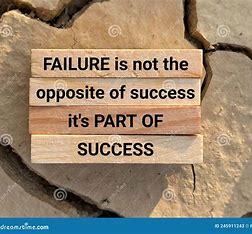
10. Maintaining an affirmative outlook Identifying and acknowledging mistakes and failures provide a robust foundation from which carers foster assurance and construct positive problem-solving strategies. An optimistic mindset will contribute towards smoothly dispelling trauma, guilt, and pain. Ideally, private lows are transformed into learning opportunities; negativity and self-doubt being replaced with hope and a determination to succeed. There are many effective approaches to be acquired through listening to the personal experiences of others who have overcome similar obstacles. Through receiving beneficial guidance and backing, carers come to realise that they are not alone. They learn to combat marginalisation, stigma, and humiliation. A cheerful frame of mind, firmly based of a sense of realism, holds a wide range of advantages over a pessimistic one, and includes the safeguarding of a healthy lifestyle (Hood, 2024).

“Si fallor, sum.” – “I err, therefore I am.” (St Augustine of Hippo, early 5th century CE)

The process of healing – towards much better times

All carers are likely to have occasions when they fall short of their aspirations. Regularly, it is painful and exasperating for them to observe those whom they love weakening and gradually losing meaningful contact with their surroundings. The concept of healing in this context applies appropriately to carers empowering themselves to bounce forward from a position of angst or heartache and thus to avoid slipping into a condition of depression or neurosis. (It is noteworthy that the term ‘healing’ is derived from the ancient word ‘haelen’ which pertains to ‘wholeness’ and ‘to making whole’). Often first-rate help is available but in practice hard to secure. However, though the quality of circumstances and access to services will differ, it is crucial that carers remain resilient and make steady progress. Undoubtedly, the ability to adopt an open-ended frame of mind, backed by genuine fervour and well-directed consultation, is advantageous in times of despondency.

References and Footnotes

1. St Augustine of Hippo (early 5th century CE) The quotation “Si fallor, sum.” (“I err, therefore I am.”) is from the philosophical treatise, De Civitate Dei XI, 26 (“The City of God”). This often-quoted expression can be taken to mean that, though humans make mistakes, appropriate responses to failures can result in successful achievements.

2. Beckett. S. (1983) The quotation “Ever tried. Ever failed. No matter. Try again. Fail again. Fail better.” is from Samuel Beckett’s “Worstward Ho” (1983). (OK, I realise that this quotation is only part of a pretty dispiriting message. However, it certainly can be argued that it is advantageous if there is at least an element of hope contained within our failures.)

3. Cohen, L. (1992) The quotation “Ring the bells that still can ring/Forget your perfect offering/There is a crack, a crack in everything/That’s how the light gets in.”  is from Leonard Cohen’s famous song, “Anthem”, which featured in his 1992 album “The Future”.

4. Healthcare Improvement Scotland (2023) Scottish Intercollegiate Guidelines Network SIGN 168 – Assessment, diagnosis, care and support for people with dementia and their carers.

5. Bhutt, J. (2023) Carers of people living with dementia experience discrimination. UCL News 6 January 2023.

6. Scottish Government (2023) – Social isolation and loneliness: Recovering our Connections 2023 to 2026: “A Plan to take forward the delivery of A Connected Scotland – our strategy for tackling social isolation and loneliness and building stronger social connections.”

7. Scottish Government (2024) – Commission on the Future of Long Term Care in Scotland report.

8. Hood, B. (2024) The Science of Happiness: Seven Lessons for Living Well. (Published by Simon and Schuster).

9. Robson, D. (2024) – The Laws of Connection: 13 Social Strategies That Will Transform Your Life. Published by Canongate.

10. Alzheimer Scotland (not dated) – Grief & bereavement: Resource pack. Alzheimer Scotland’s Grief & bereavement: Resource pack outlines information concerning theories on grief along with related practical matters, coping techniques, adjusting to change, and looking after yourself. A bereavement and grief leaflet can be ordered from all Brain Health and Dementia Resource Centres across Scotland.

11. The Alzheimer Scotland Dementia Working Group (2024) Our “Top Tips” for living well with dementia. Alzheimer Scotland: Action on Dementia.

Linked blogs include:

1. Good Practices: Good Mental Health among Carers https://improvingcareand.education/home/good-mental-health/

2. The potential benefits of community support in action https://improvingcareand.education/23/02/07/community-support-in-action/
Categories
Caregiving Collaborative planning General Health and wellbeing Inclusion

Allied Health Professionals’ Roles in Supporting Family Carers

Frank O’Hagan

Introduction

This article has been written in a personal capacity and also incorporates perceptions gathered from other caregivers. Much could be mentioned concerning the multi-faceted contributions of Allied Health Professionals (AHPs) when assisting persons experiencing various forms of frailty and neuro-degenerative conditions, such as dementia and Parkinson’s Disease, and their carers. However, to examine them all is well beyond the aims and scope of a brief paper. Furthermore, research relating to improving health performance can be very complex but worthwhile (Chalmers and others, 2023). Rather, after commenting on AHPs’ overall involvement in various aspects of promoting healthier and happier standards of living, the main theme is a discussion on how some key areas of their work might usefully be taken forward.

A philosophical perspective on enriching lifestyles

Contemporary society requires to endorse an authoritative voice on behalf of services which prolong ‘quality-adjusted life years’ (QALYs). This movement underlines the advantages of both extending worthwhile everyday procedures and boosting good brain health. Rather than being wedged within a narrow medical model, there have been transformational changes towards what can be viewed as more personalised bio-psycho-social approaches. These concentrate directly on addressing the identified needs of both individuals and groups. There is an acceptance that all and sundry are different and that differing traits are acknowledged. Approval across diversity is recognised, validated, and celebrated. In advocating this climate for advancement, AHPs have been involved in developing beneficial initiatives and community-based programs to foster both physical and mental health.

There are many forms of interventions and support which can pause, reduce, or even reverse, rates of cognitive deterioration. Although, in the main, neuro-degenerative diseases are deemed as presenting intellectual and social challenges for older age groups, population statistics point to a wider ageing spectrum than is commonly supposed. Decision-making should be based on the ‘double empathy’ principle – in this case, a collaborative ‘coming together’ of the needs and wishes of persons experiencing disabilities and family caregivers in conjunction with the judgements and competences of professionals. Relationships should successfully combine the lived experiences, self-advocacy, and proposals of the former alongside curative and therapeutic procedures prescribed by the latter.

As implied earlier, a central characteristic of AHPs’ work is all about the pursuit and enrichment of the common good. This calls for comprehension and aptitude which are essential in effectively undertaking specific tasks. It also requires a range of suitable personal attributes such as thoughtfulness, compassion, open-mindedness, tolerance, and integrity. A focus on inclusiveness means that no one will be marginalised or disregarded. In addressing the needs, interests and benefits of individuals, a genuine sense of awareness, responsiveness, and care will have much to offer in strengthening dexterity and confidence. Innovations and training in features across dieting, fitness, movement, communication, technology, art, and music have brought to light the hidden, imaginative, and creative potentials of participants who previously had been ignored or ostracised. There is certainty that participatory physical, technological, and arts-based options can offer restorative experiences and augment emotional feelings.

“It is time to recognise the powerful contribution the arts can make to health and wellbeing.” (All Party Parliamentary Group on Arts, Health and Wellbeing, 2017)

Pathways towards further advancements

Although in recent years there has been a great deal to commend, there remain issues to grapple with and topics to examine in order to ensure that adeptness and productivity are enhanced. During the examination of five interrelating areas, it is proposed that the following pertinent questions are kept in mind. (a) While the responsibilities of AHPs are rightly regarded as focussing on health and wellbeing, would it be even more appropriate to emphasise and include ‘healing’ and ‘therapy’ as essential components? (b) Would the motif of ‘Promoting healing, therapy, health, and wellbeing’ seem applicable and all-encompassing? (c) Is the expertise of AHPs potentially untapped and their services underrated? (d) How can sensitive, flexible, and considerate interventions be developed to enhance future provision for those in need of assistance?

1: Establishing more collaborative networking

There are three aspects of fostering multidisciplinary alliances which are worthy of deliberation, namely – with carers and their families; between AHP groups within the same service; and connections across service providers.

From the standpoint of caregivers there can be both gratitude for the contributions of AHPs but simultaneously a realisation that their involvement is not well understood. In particular, there could be a lack of clarity vis-a-vis their functions and responsibilities. Often many carers do not know about them and others discover their relevance by accident. A great many people who require support belong to what is often referred to as the Silent Generation (persons born between 1927 and 1947). They, and other generations, can be ill-informed on the services obtainable or be hesitant to ask. There would be advantages in publicising policies and the availability of support more widely, including before a diagnosis of any distressful ailment is confirmed, to broaden caregivers’ capabilities and insights.

There also appears to be an interest on how there might be improvements in collaborative practices both between various AHP groups within a service and also across the boundaries of their employers. Pressures resulting from future budgeting may well affect the recruitment, coaching, and availability of frontline personnel. The consequences may necessitate the need for additional joint training and innovation. Evaluation leading to improvement will entail examining and auditing various factors such as how time is spent, the effectiveness of planning, the usage of resources, the number of carers and families involved, and feedback from all staff and participants. The overall aim of these tasks would be to take forward the proficiency of professional roles and making known their worth in maintaining wellbeing (Alzheimer Scotland, 2020).

2: Utilising expert knowledge and applying specialist skills

There will always be a requirement to constantly review abilities and to learn about up-to-date research findings on both the acquisition and application of evidence-based routines. Inevitably, there will be a wide continuum of criteria and quality regarding courses being offered within and between providers. Study and professional guidance are essential for the reinforcement of high professional standards (Healthcare Improvement Scotland, 2023).As indicated earlier, there is substantial scope for more collaborative continuing professional development focussed on assessment, counselling, and therapeutic interventions among AHPs. Perhaps the adoption of a COM-B model – with an emphasis on capability, opportunity, and motivation – will facilitate the identification of barriers and increase impactful professional practices. A worthwhile venture is to ascertain what have been termed ‘islands of excellence’ – examples of outstanding projects, methods and schemes which are verified as highly successful in sustaining healthier, societal self-assurance. There is considerable scope for practitioners to learn from such exemplars. Generously shared, observation of and training in ‘what works’ have much to offer.

3: Delivering inclusive and empathetic approaches to carers and disadvantaged persons 

In line with what has been stated, many of those in need of relief, especially when confused and under pressure, are often unaware of what backing or funding might be available to them or even to whom they can turn to for advice and guidance. They require to be informed apropos the skillsets and availability of AHPs. Thoughtfulness and good sense will circumvent explanations which are too complicated for the listener or terminology which cannot be understood.

It also is the case that carers often complain about having to repeat their worries over and over again to professionals. As facilitators, AHPs can complement other groups’ participation within what can appear to outsiders to be a very convoluted social care system. Careful listening and clarification of any misapprehensions enhance collaboration and help avoid potential accidents or disagreements. The importance of the impact of public interactions and connectedness on psychological functioning and good mental health is beyond doubt. The old Latin adage “Nihil de nobis, sine nobis” (“Nothing about us, without us”) is frequently used in modern times by marginalised groups.Itremains highly apposite in the everyday affiliations which AHPs establish and maintain. When they are involved in direct support and proactive interventions, good practice necessitates that they confer closely with vulnerable people and carers, seek their views concerning previous oversights, help them to combat humiliation, and involve them in administrative matters.

“People with dementia and carers are keen to see the development of new approaches to person-centred care based on human rights principles of dignity and respect.” (Alzheimer Scotland, 2024)

There is clearly a role for AHPs to act as consultants in lessening apprehensions and anxieties while building self-esteem, fortitude, and resilience among carers. Due partly to the paucity of staff in some localities, proficiency in demonstrating procedures and ‘giving away skills’ is necessary in order for carers to undertake their own responsibilities more independently and effectively. In doing so, well-judged consideration of differing requirements will need to be taken as ‘one size fits all’ stratagems are generally unsuitable and misplaced. Working better together will result in greater efficiency, bolster community-based provision, and earn the admiration and trust of those who require assistance.

4: Providing high-quality, person-centred assessment

Currently, more discerning benchmarks are required at a national level pertaining to the evaluation of needs and subsequent planning for those experiencing cognitive ailments. Patience is critical in ensuring that recommended programs are firmly based on research and professional experiences. When collecting relevant personal information and identifying distinctive requirements, what might appear to be ‘a kaleidoscope of needs’ is revealed. Well-chosen targets and markers for progress hopefully will emerge and be articulated in a nuanced manner. Depending on circumstances, different types of assessments may be utilised. For example, self-referenced assessment to evaluate abilities against their previous levels across a designated period of time, or goal-based assessment to record the reaching of targets which previously had been set and understood by individuals or groups. Irrespective of the forms of valuation which are used, the spotlight must remain on living well, securely, and contentedly.

It is generally conceded that the frail and troubled exhibiting reduced brain health frequently have been neglected or overlooked with regard to a timely diagnosis. The sooner appropriate action is taken, the better. A well-tailored, personalised plan should be created and activated after the needs of individuals have been carefully and fully reviewed. Even when implemented, it is only to be expected that, at times, reactions to scheduled support and interventions may differ from intended outcomes or predictions. The suggestions from persons being helped and their carers are crucial when short- and long-term aims and goals of plans are being devised. These should cover recognised strengths and positive proposals for future development. Features of this process entails competent decision-making and the appraisal of contexts such as financial difficulties, inadequate living accommodation, environmental hazards, and mental health when deliberating on factors relating to risk and prevention. (Healthcare Improvement Scotland, 2023 and 2024; Livingston and others, 2024).

“We know that social isolation and loneliness is bad for our health, both mental and physical. It is essential that we recognise who in society is most affected and focus our efforts to tackle these inequalities.” (Scottish Government, 2023)

5: Highlighting progress and attending to regression

The monitoring of national strategies and policies from across Europe clearly indicates that there are ongoing inequalities connected with dementia care and treatment. (European Dementia Monitor Report, 2023). There also should be recognition that there are significant disparities within individual nations regarding backing for all forms of deteriorating mental health.

The insightfulness and collaboration of AHPs and family carers can be highly productive in detecting the complex nature of an individual’s obstacles and setbacks. Together, they can pinpoint unintended consequences of potentially harmful habits and formulate helpful solutions to mitigating and overcoming potential dangers in both home and local environments. Clearly, stimulating teamwork can enrich the daily routines of persons experiencing dementia through finding profitable ways to thwart relapses.

First-rate monitoring will provide substantial information, feedback, and guidance to augment the effectiveness of mediation and aid. Frequently, there is a need to update scheduling based on the progress or regression which has been measured or observed. The rationale may be that advances, even when confirmed, are slight or exceedingly non-linear. Alternatively, on occasions, more challenging modifications to what had previously seemed suitable may now be necessary because of rapid, flourishing headway and unexpected accomplishments. When detected, all achievements should be acknowledged, recorded, and commended.

Summary and concluding comments

The competences, know-how, and programs of AHPs are of great value and much appreciated by family carers. Active listening and mutual exchanges can be the foundation on which feelings of empathy, confidence and security are reinforced. Their long list of welcomed undertakings can include endeavours in enhancing: self-assurance; trust; interpersonal relationships; communication; household safety measures; physical vigour; mental health; and empowerment. Additionally, the characteristics of successful participation may embrace: taking full account of subjective experiences; demonstrating tactics to relieving stress; carrying out salutary tasks concerning the anticipatory/pre-death grief of carers; alleviating troubles and angst following the bereavements of loved ones; providing advice on connectedness with nature and the benefits of making good use of green spaces; and the employment of humour and novelty when appropriate.

The role of AHPs in promoting positive and fulfilling lifestyles for loved ones is cherished and respected by caregivers. As recipients continue to receive valued assistance and realise the benefits of individualised, group and communal inputs, they will wish to have more access to the services of AHPs. It is suggested that further developments along the lines outlined in five inter-connected areas, namely:(1) establishing more collaborative networking; (2) utilising expert knowledge and applying specialist skills; (3) delivering inclusive and empathetic approaches to disadvantaged persons and carers; (4) providing high-quality, person-centred assessment; (5) highlighting progress and attending to regression; will further advance the quality, efficiency, and outcomes of their contributions.

References

1. All-Party Parliamentary Group on Arts, Health and Wellbeing (2017) Inquiry Report Creative Health: The Arts for Health and Wellbeing. Second Edition.

2. Alzheimer Scotland (2020) Connecting People, Connecting Support – Transforming the allied health professionals’ contribution to supporting people living with dementia in Scotland, 2017-2020.

3. Chalmers S, and others (2023) The value of allied health professional research engagement on healthcare performance: a systematic review. BioMed Central Health Services Research, 23, Article number 766.

4. Scottish Government (2023) Social isolation and loneliness: Recovering our Connections 2023 to 2026.

5. Healthcare Improvement Scotland (2023) Scottish Intercollegiate Network SIGN 168 Assessment, diagnosis, care and support for people with dementia and their carers.

6. European Dementia Monitor Report (2023) – Comparing and benchmarking national dementia strategies and policies. A report from Alzheimer Europe.

7. Alzheimer Scotland (2024) Commission on the Future of Long Term Care in Scotland report.

8. Healthcare Improvement Scotland (2024) Ageing and Frailty Standards.

9. Livingston, G. and others (2024) Dementia prevention, intervention, and care: 2024 report of the Lancet standing Commission.

Related website blogs:

1. The potential benefits of community support in action https://improvingcareand.education/23/02/07/community-support-in-action/
2. Approaches towards inclusive living for people in need of care https://improvingcareand.education/2023/09/19/approaches-towards-inclusive-living-for-people-in-need-of-care/

3. Music as the Carer’s Friend and Assistant https://improvingcareand.education/2023/12/11/music-as-the-carers-friend-and-assistant/

4. Communication Matters https://improvingcareand.education/2024/03/28/communication-matters/

Categories
Caregiving Collaborative planning General Health and wellbeing Inclusion

Communication Matters

Frank O’Hagan

Introduction

Carers always need to be mindful that, as far as dementia is concerned, communication can be both complex and tricky. It calls for careful consideration being given to aspects of talking, listening, reading, writing, and technological usage. Each of these forms of communication is multi-faceted and may overlap with others to some extent. Thoughtfulness and sensitivity are required in the use of both verbal features such as speaking, writing messages, labelling, singing, and non-verbal aspects for instance pointing, signaling, touching, and so forth. All have a role to play in ensuring that clear-cut messages are conveyed meaningfully and efficiently.

The effectiveness of exchanges is dependent on the quality of a person’s physical wellbeing (such as hearing and sight), mental health (for example, awareness and comprehension), interpersonal skills (abilities in relating to others), and context (whether at home or in an unfamiliar place, levels of noise, and interruptions, etc.) Caregivers have the task of taking full account of these variables every day and sometimes even on a moment-to-moment basis in a period of crisis.

Although this post is focused mainly on communicating with persons experiencing dementia, the ideas presented may also be supportive for others with hearing loss, suffering from trauma-induced problems, or having significant learning impediments. The good news is that it is amazing how dedicated carers can intuitively acquire appropriate competences to communicate capably in a variety of situations. They quickly discover that little things can enhance the quality of person-centred communication. Key skills include being a patient and expert listener, keeping questions straightforward, and never causing any feelings of humiliation or embarrassment.

Strategic approaches to think through

When trying to understand the nature of communication difficulties, attention to changes concerning the symptoms of dementia, making the most of existing circumstances, asking appropriate questions, and having the ability to cope with ‘outsiders’ are of importance (Volkmer, 2023). In practice, there is a wide range of beneficial interactions to employ during everyday pursuits. Depending on the needs of people with dementia and the setting, some methods will prove to be more successful than others. Routines to bear in mind might include the following.

1. When addressing persons, face them directly and state their names at the beginning of the conversation to gain attention and to show a genuine interest in their opinions.

2. Be on the outlook for confused or puzzled expressions which indicate that you are not being understood.

3. Avoid statements or requests which are too intricate for the listener. Now and then, Joseph Priestley’s warning is pertinent –“The more elaborate our means of communication, the less we communicate.”

4. Re-phrase, or repeat succinctly, if a suggestion is not being conveyed adequately. Give the listener sufficient time to reply to comments and questions.

5. Try your best to prevent anyone from ‘talking over’ or ignoring a person experiencing difficulties and only conversing with you.

6. To ensure that the topic or object which is being discussed is clearly comprehended, it is often helpful to explain and to point simultaneously.  (Illustrations: (1) When going out for a walk to say “Let’s go now”, point to the door, and then open it. (2) When planning to take a drive in the family car, drawing attention to the passenger seat and inviting the person to get in.)

7. Good use can be made of photographs, keepsakes, poetry, and music to recall pleasant memories. This approach – which gradually might become a shared ‘life story’ – could be particularly constructive when individuals are unsettled or distressed. If asked to switch on a playlist of favourite songs, do not be surprised if they join in singing and know all the words, even if at an advanced stage of dementia. Words which you may have forgotten!

Additionally, if you have the opportunity, please consult the ‘Footnotes’ towards the end of this article for hints which may be of value when communicating with someone who has dementia.

Addressing challenges which caregivers may encounter

Carers can enhance the quality of their own lifestyles, and those of persons for whom they care, by way of their well-judged management of practices and resources which help to administer and structure busy schedules (NHS Health Scotland, 2013). Communication, in a wide-ranging and all-embracing perception of the term, can encompass some or all of the undermentioned procedures.

1. Devising comprehensive checklists to cover all essential aspects of maintenance and safety in the home such as locking the main doors particularly at night-time, closing windows, how to control the central heating system, etc.

2. Sticking notices or ‘post-its’ in prominent places as reminders of when to engage in pastimes or recreational interests, have meals, and carry out household chores.

3. Placing labels – maybe combined with colour-coding – on drawers, wardrobes, and cupboards to make it easy to find clothing, shoes, and utensils (Scottish Dementia Working Group, 2017).

4. Making use of a traceable security wallet to safeguard items which might frequently be misplaced or lost such as keys and tickets.

5. In addition, utilising technological appliances can be of great value in the forward planning of weekly duties and responsibilities. In the case of those facing difficult circumstances, programs can be devised to remind or alert carers about their timetable for tasks concerning dressing, toileting, medication, meals, outings, and so forth. Technologies also are supportive in: sending out up-to-date information on local events; providing friendship toys, games, quizzes, and other forms of entertainment; tracing someone who is missing; and directly contacting friends, neighbours, or social services when emergencies arise. 

“Communication is one of the most important skills you require for a successful life.” (Catherine Pulsifer)

Some further comments regarding non-verbal communication

Various forms of non-verbal communication, usually together with speech, are advantageous in the course of transmitting and reinforcing advice and guidance. These include:

1. Gestures – perhaps raising a thumb or clapping to communicate approval for an achievement. Likewise, ‘body language’, for example facial expressions such as smiling will show happiness and pleasure whereas grimacing will convey disapproval.

2. Modelling techniques – to demonstrate how to carry out specific practical activities (e.g. carefully showing someone how to use a remote control; or to stand in the correct space for taking a shower, and then asking for your actions to be copied). 

3. Mirroring (occasionally referred to as adaptive interventions) – to follow or adjust to the same or similar styles, signs, sayings, and habits as the person who is being helped. In this way, a carer can learn how best to simulate and employ an individual’s preferred processes of communicating. 

4. Showing love and affection – to send very positive and uplifting messages. For instance, when someone living with dementia is having a bad day, a gentle hug may be sufficient to bring solace. Similarly, it is no surprise when a kiss from a partner, a child, or grandchild turns out to be a powerful means of restoring self-confidence and assurance.

A cautionary note: “Not all tools and techniques will be suitable for every individual or every time, and so a modifiable suite is recommended to allow adaptation, for example, as dementia further progresses.” (Collins and others, 2022)

Supporting carers

All carers require social meetings during which they can share their lived experiences with others in order to evaluate their own inputs, learn about best communicative practices, and gain added knowledge of ‘what works’ when challenging occasions occur. Effective forms of collaboration are essential in ensuring that ‘living well with dementia’ becomes the norm within modern society.

Carers deserve and will profit from expert professional advice and assistance to enable them to extend their interpersonal skills including those pertaining to consultation, communication, and the exchange of ideas.  Nationally, they will benefit from more breaks to learn about current developments, hone their strategic competences, and evaluate which technological inputs would be most appropriate to meet their requisites.

A consistent message to carers must be to remember that they always should take good care of their own health and wellbeing. Importantly, they require to have opportunities in ascertaining on how best to relax, particularly after stressful incidents, perhaps by way of engaging in artistic activities, listening to music, watching a comedy series on television, or taking a mindful walk.

As a carer, you are an indispensable agent in safeguarding and maintaining high quality support. Your compassion and expertise matter. You matter!

Footnotes

An information sheet of Alzheimer Scotland provides the following ‘12 helpful hints’ when communicating with someone who has dementia. (1) Be calm and patient; (2) Face the person, speak clearly and slowly; (3) Make sure that you have their attention by gently touching their arm and saying their name; (4) Use short, simple sentences and say exactly what you mean; (5) Try to get one idea across at a time; (6) Allow plenty of time for the person to take in what you say and to reply; (7) Try not to confuse or embarrass the person by correcting them bluntly; (8) Use questions which ask for a simple answer; (9) Don’t ask questions which test their memory. e.g. ‘Who am I?’ or ‘What did you do yesterday?’; (10) Talk about familiar people, places and ideas; (11) Use the names of the people you are talking about instead of ‘he’ or ‘she’. It will remind the person of who you are talking about; (12) Use facial expressions and hand gestures to make yourself understood. (Alzheimer Scotland, 2023)

Additionally, other suggestions regarding communication and dementia are available on the Better Health Channel and, for good mental health, in an article entitled ‘Good Practices: Good Mental Health among Carers’. (See links in References below.)

References

1. Volkmer, A. and others (2023) – Giving Voice to People with Dementia and Their Carers: The Impact of Communication Difficulties on Everyday Conversations. International Journal of Qualitative Methods, Volume 22.

2. NHS Health Scotland (2013) – Younger people with dementia. Living well with your diagnosis.

3. Scottish Dementia Working Group (2017) – Our “Top Tips” for living well with dementia. Alzheimer Scotland – Action on Dementia.

4. Collins, R. and others (2022) – Methods and approaches for enhancing communication with people with moderate-to-severe dementia that can facilitate their inclusion in research and service evaluation: Findings from the IDEAL programme. Dementia, Volume 21, Issue 4.

5. Alzheimer Scotland (2023) Activities: a guide for carers of people with dementia. Link to communication: https://www.alzscot.org/our-work/dementia-support/information-sheets/communicating-with-someone-who-has-dementia-12-helpful-hints

6. Better Health Channel link: http://www.betterhealth.vic.gov.au.dementia-comunication

7. ‘Good Practices: Good Mental Health among Carers’ link: https://improvingcareand.education/home/good-mental-health/

8. A related animation entitled ‘Communication Matters: The Little Things Which Can Enhance the Quality of Person-Centred Communication’ has been designed and produced by Caitlin Quinn and Lucy Beckett.

Acknowledgements

My thanks are due to Professor Elaine Hunter, National Allied Health Professions Consultant, Policy and Practice, and Visiting Professor, School of Health and Social Care, Edinburgh Napier University, and also to Caitlin Quinn and Lucy Beckett, students of speech and language therapy, University of Strathclyde, for their very helpful support and for providing splendid company during the writing of this paper.

Categories
Caregiving Collaborative planning Health and wellbeing Inclusion

Music as the Carer’s Friend and Assistant

Introduction

From time to time, carers can be bombarded with demanding chores and, in turn, experience stress and burnout. Unfortunately, there are many occasions when distress is pathologized and medication prescribed when it would be more appropriate to focus on recommending a social remedy. This might comprise engagement in some form of purposeful alliance such as a testing physical fitness program. Alternatively, it could be within a more laidback leisure groups involved in singing, walking, bowls, gardening, and so forth. However, caregivers also may find it difficult to identify appropriate recreational pastimes in which they can meaningfully engage along with those for whom they are caring. Understandably, it is often worthwhile to spend some time checking and evaluating the suitability of what pursuit best matches their needs.

A recent meta-analysis has indicated that “…both social isolation and loneliness were significantly associated with an increased risk of all-cause mortality …” This research suggested that “Greater focus on social isolation and loneliness may help improve people’s well-being and mortality risk.”(Wang, Geo, Han, and others, 2023) Undoubtedly, the presence of genuine camaraderie can lead to life-long friendships and help to avoid and sweep away sensations of loneliness and estrangement. Membership of a social grouping, either together or separately by carers and those in need of their support, offers genuine participation in communal interests. Involvement requires both responsiveness and commitment, setting aside preoccupations and uneasiness, and has the potential to boost ‘feel good’ sensations. In particular, participation in a wide variety of musical activities and events is now widely acknowledged to be a noteworthy font of health and wellbeing.

Providing solace and putting aside for a time worries concerning daily struggles can be achieved through contributing to and sharing in music of one form or another. This can pertain to differing ages and ailments. By way of illustration, two examples from very distinct settings, one relating to youths facing challenges and another to persons with dementia are very briefly outlined.

(1) Among young people from lower social-economic backgrounds or those experiencing special educational needs and/or physical disabilities the value of inclusive music-making can be very beneficial. This viewpoint was supported by an investigation which reported that its observed results demonstrated, “… the importance and value of music engagement, especially as the means of empowering marginalized groups of young people and addressing the inequalities in today’s society.” (Levstek and Banerjee, 2021)

(2) There also has been an interest in the worth of music therapy in reducing distress for persons experiencing dementia. For instance, when comparing those in a hospital environment receiving in-person music therapy and those who did not, researchers found music therapy “…to be a valuable intervention, supporting patient mood and reducing agitation.” (Thompson and others, 2023)

“Where words fail, music speaks.”  (Hans Christian Andersen)

Singing, songwriting, listening, and dancing  

The persons for whom you are caring may have a particular suite of songs and tunes which they prefer – pop, jazz, country, ballads, classic, songs which they themselves have helped to compose, etc. – or they may have an eclectic taste and simply favour specific ones from across a spectrum of differing categories. For this reason, it is advantageous to explore their likes and dislikes and to observe their reactions and behaviour when melodies, along with their musical accompaniments, are being performed. Ensuring that they are involved as much as possible also will provide carers with opportunities to relax or to join in songs which enthuse them.

Moreover, listening to music involves various sectors of the human brain and can stimulate cognitive skills. Research has indicated that it can also improve cortical health and emotional wellbeing. On many occasions, it appears to enhance memory and foster thoughts of pleasant happenings from the past. These could relate to personal achievements, family weddings, the birth of children, holidays, and so forth. Similarly, attending a concert or pantomime may evoke very blissful and/or nostalgic reminiscences. Creating personalised playlists (discs which only contain much-loved performances) are very helpful for both those in need of support and their caregivers. They make available periods of joyful interludes while partaking in peacefulness and reflection.

“Music has the capacity to engage auditory, cognitive, motor, and emotional functions across cortical and subcortical brain regions and is relatively preserved in aging and dementia. Thus, music is a promising tool in the rehabilitation of aging-related neurological illnesses, such as stroke and Alzheimer disease.” (Teppo Särkämö, 2018)

There is a wide range of activities which can be organised to extend participation and potential benefits – well-chosen quizzes to foster recall of favourite performers, bands, and orchestras from bye-gone days; games involving compositions, such as ‘name that tune’, to encourage discussion and teamwork; karaoke, if contributors are confident enough, to boost engagement in individual or collective performances; and dancing, as well as being fun, to facilitate and maintain physical fitness. One ambitious event witnessed was an online transatlantic competition – a version of ‘juke box jury’ focusing on British and American pop groups and their hit songs – between teams from USA and Scotland.

Participation in choirs

Genuine membership and affiliation within a choir will ensure that all members have roles which deliver their own distinct and harmonious contributions. When well-managed, it is democratic, as opposed to having a pyramidic structure, in that there is a sharing of responsibilities. Teamwork is a key feature. Choral groups possess the power to bring about and sustain a collective ethos of solidarity, encouraging accountability and dexterity in conjunction with enriching sensations of comfort and self-assurance. Togetherness acts as a mediator for affirmative change and the enhancement of both consciousness and interpersonal skills. Public performances which are appreciated by audiences add to the pleasure of having taken part.

Inclusive choirs can act as catalysts for the improvement of feelings, comprising a fortuitous mixture of both oneness and togetherness, possibly through the stimulation and strengthening of neural pathways. Importantly, they can present opportunities for enjoyment within a therapeutic setting which offsets loneliness, anxiety, and depression among vulnerable people. The fusion of personalities within the group, regardless of perceptible troubles or additional support needs, augments mental toughness through boosting autonomy and empowerment. Members are able to take part within caring and friendly contexts in which individuals can express themselves openly and honestly, without any sense of threat or fear. This is not to say that there may be challenges to confront and overcome. Nonetheless, skilful leadership can nurture opportunities vis-à-vis creativeness and intimacy, enabling participants to experience hope and to recognize their own progress regarding security and self-worth.  

“Inclusive choirs promote social inclusion by providing the opportunity for persons living with dementia, caregivers and volunteers to sing together as equals.” (Jean-Bernard Mabire and others, 2020)

Summary and concluding comments

Although some of us may lack enthusiasm and may not benefit from musical activities, for many persons research studies have indicated opportunities for positive outcomes. Listening to music, singing, songwriting, and participation in dances can all provide relief from psychological distress while also being a buttress for emotional resilience and touchstones for building self-esteem. The off-loading of worries and concerns can generate a platform from which to establish buoyancy and vigour. Inclusiveness endorses self-worth for persons with additional educational needs, neurodegenerative diseases, or experiencing social marginalization. Music therapy has a significant role to play in mental health interventions, repairing ruptures in personal relationships, and assisting in recovery from abusive behaviour and trauma. It may also alleviate sleeping and nutritional obstacles and engender a basis for good brain health.

In recent years, there has been an awakening of the constructive part which the arts have to play in social prescribing on the topic of health and wellbeing for those who experience debilities, deprivation, and exclusion. Despite much progress in modern society, they have undergone circumstances which have eroded their confidence; they have become too cautious, defensive, and isolated. Anxiety and trepidation prevent them from cultivating an enriched lifestyle comprising advantageous friendships and recreational activities. Involvement in choral singing often gives rise to affirmative surges within a continuum of emotions. In practice, its powerfulness to transcend existing apprehensions and angst is truly remarkable. Participation can thrust unwanted sentiments away from sorrow and regret towards a consciousness of serenity and joy. A major benefit is the personal social-emotional experiences of self-control, insight, meaningfulness, responsibility, and the achievement of shared objectives. Collective endeavours can be targeted at overcoming feelings of stress and weariness, replacing burnout with tranquillity.

“Music gives a soul to the universe, wings to the mind, flight to the imagination and life to everything.”  (Plato)

Acknowledgements and references

1. Wang, F., Geo. Y., Han, Z., and others (2023). A systematic review and meta-analysis of 90 cohorts of social isolation, loneliness and mortality. Nature Human Behaviour 7(8), 1-13.

2. Levstek, M. and Banerjee, R. (2021). A Model of Psychological Mechanisms of Inclusive Music-Making: Empowerment of Marginalized Young People. Music and Science, Volume 4. Published online by Sage Journals: 2021.

3. Thompson, N., Iyemere, K., Underwood, B. R., and Odell-Miller, H. (2023). Investigating the impact of music therapy on two in-patient psychiatric wards for people living with dementia: retrospective observational study. BJPsych Open: Published online by Cambridge University Press: 2023.

4. Särkämö, T. (2018). Cognitive, emotional, and neural benefits of musical leisure activities in aging and neurological rehabilitation: A critical review. Annals of Physical and Rehabilitation Medicine, Volume 61, Issue 6, pages 414-418.

5. Mabire, J-B., Bouaziz, N., de Malherbe, A., and Charras, K. (2022). Activities, Adaption and Aging (Dignified and Purposeful Living for Older People) Volume 47, Issue 4, pages 501 – 518.

Links to overviews of other potentially good practices for consideration:

  1. Good Practices: Ten Things to be Getting On With? https://improvingcareand.education/home/ten-things-to-consider/
  2. Good Practices: Collaborative Inputs from Professionals https://improvingcareand.education/home/professional-inputs/
  3. Good Practices: Good Mental Health among Carers https://improvingcareand.education/home/good-mental-health/
  4. Good Practices: Contributions from Voluntary Care and Support Groups within Local Communities https://improvingcareand.education/home/voluntary-care-and-support-groups/
  5. Good Practices: Mindfulness – How Might It Meet Your Needs? https://improvingcareand.education/home/mindfulness/
  6. Good Practices: Adopting a person-centred bio-psycho-social approach to enhance health and wellbeing for those experiencing dementia https://improvingcareand.education/a-person-centred-bio-psycho-social-approach/
  7. Good Practices: Walking Football https://improvingcareand.education/walking-football/
  8. Good Practices: Enhancing Brain Heath – biological research, technologies, lifestyles https://improvingcareand.education/enhancing-brain-health-biological-research-technologies-lifestyles/
Categories
Education for All Inclusive education Learning Teaching skills

Education Really Matters:  Addressing disruptive conduct through fostering positive attitudes and behaviour

Frank O’Hagan

From the mouth of the innocent

The scene was primary school pupils leaving for home at the end of lessons. Amid the happy mayhem, I heard a young pupil making a remark which I instinctively felt was down-to-earth and yet profound. It went something along the lines of ‘Ms Wonderful says that she is a strict teacher but only firm so that she can help us to make good progress in our work.’ This straightforward, unfussy comment was both honest and heartfelt. My immediate, unexpressed reaction was a feeling of admiration for the teacher who had conveyed her message candidly and convincingly, and also for the pupil who appreciated what she was trying to achieve.

Unfortunately, life in school is not always so lucid and clear-cut. As a general rule, troublesome or disturbing acts obstruct two key aspects of the raison d’être of any school, namely, effective teaching and meaningful learning. Few, if any, educators will disagree with the proposition that deliberate inattentiveness and hindrances, as well as being stressful at times, are detrimental to pupils’ progress. Though a brief, sincere word of advice delivered in a direct and thoughtful manner is often enough to resolve an issue, there are occasions when more interventionist styles of action are appropriate.

What are the problems?

Disruptions and/or distractions can take many forms. Normally, they are at a mild level in terms of disturbance or perhaps are intended as humorous interruptions. However, inattention, daydreaming, a series of ‘micro-interferences’, belligerence, or defiance are often problematic as far as classroom management is concerned. It is a gloomy and distressing fact that many teachers are subject to unacceptable verbal remarks or even physical assaults. Inclusiveness demands that all pupils are afforded suitable learning contexts to enhance their abilities and interpersonal skills. Inadequate prior assessment of their additional support needs and poor decision-making regarding placements have given rise to unnecessary challenges for staff since the beginning of formal school attendance. There is no reason as to why such incompetent practices might be ignored or escape further scrutiny.

Similarly, bullying among pupils is an on-going concern which can give rise to longer-term consequences, though in different ways, for both victims and aggressors. It has taken on a new and insidious manifestation in the practice of cyber-bullying which cannot be fully resolved without a sense of empathy among pupils and the cooperation of parents. Children and adolescents may also exhibit unusual or harmful dispositions perhaps through poor self-image, anxiety, stress or abuse. Their distress should not be overlooked.

Regrettably, an insufficient lack of interest and inspiration among some pupils about the aims and values of education is what may lie behind the reason for inappropriate responses to tutoring and coaching. Schools thrive on keen and committed learners. Senior managers need to ask ‘Is the concept of the ‘motivated school’ being taken seriously enough by those in positions to bring about improvements?’ Creating drive and allegiances should be endorsed, planned and implemented through refreshing, evidence-based routines. Though staff can benefit from workshops, such as on generating enthusiasm, they also need time and resources to identify their existing strengths in this area and to build on them.

Home-school-community links

All forms of untimely or distracting behaviour should be considered with regard to the context in which they occur. For instance, it is not always realised that in many cases children whose conduct is considered to be undisciplined during lessons are happily settled at home. Conversely, other children who are the cause of difficulties for their parents can be regarded as polite and well-behaved while at school. For the latter group, school may be acting as a safe and peaceful haven and providing them with a break from a chaotic familial atmosphere. Another example in secondary education is the occurrence of pupils behaving inconsistently across various departments, perhaps due to learning difficulties or a disinterest in specific topics. In differing social neighbourhoods, pupils can attribute dissimilar opinions about the subjects available to them. Investigating and comprehending contextual differences are helpful in comprehending and amending behavioural patterns.

Trouble associated with schools often has an impact within its surrounding locality. Well-established connections and good communication procedures for families and the wider community are practical ways of identifying and settling potential intractable issues. On occasions, it will be fitting to sensitively offer solutions regarding particular concerns or to jointly explore in depth how matters can be resolved with parents, guardians and other interested parties. Openness and transparency ensure that staff’s efforts towards building a productive learning environment and eliminating needless disorder are met through agreement, cooperation and backing.

“Behaviour is always greater than knowledge because in life there are many situations where knowledge fails but behaviour can still handle.” (Anon)

Behaviour management within educational establishments

It is generally recognised by the public that personnel in schools, besides their formal responsibilities, have important on-going roles to undertake in addressing and ameliorating their students’ respective burdens and afflictions. A primary school teacher may be the first professional to observe instances which indicate that a pupil is in distress. If vulnerable pupils need protection and succour, it regularly falls to nominated persons to take matters forward. Research indicates that it is in the best interest of pupils – whether perceived as troubled, troublesome or in danger of harm – to assist them to overcome latent anti-social tendencies or mental health burdens as early as possible. 

A wide selection of methods in responding to behavioural issues can be found. These include:

  • formal advice and guidance from trained staff to aid pupils in addressing their emotional and social needs
  • planned sessions with counsellors to explore and resolve afflictions and anxieties
  • classroom strategies to upgrade performance in class often covering: (1) antecedents which lead to difficulties; (2) encouraging behavioural change; and (3) tracking results/consequences (see the example in the appendix below for one possible scenario)
  • contracts agreed among pupils, parents and schools which outline realistic, positive goals which are expected to be achieved within a set schedule; these targets may need to be presented in writing to avoid any ambiguity and to clarify how they will be evaluated, and
  • the implementation of restorative practices to help acknowledge and repair the hurt caused to others and to promote positive discipline – if all goes well, outcomes can prompt expressions of regret or remorse, cultivate a deep disapproval of wrongdoing, and boost competency and empowerment in finding constructive resolutions.

There is always a danger that behaviour management can place too much emphasis on a punitive approach. Pupils are unlikely to respond willingly to what they judge to be condescending and patronising remarks or sarcasm. This is not to assert that there is no place for well-planned forms of reprimand provided that objective assessments have been made about their fairness, effectiveness, and aftermath. However, depending on the attitudes and temperaments of pupils, punishments can be fruitless and counter-productive. Frequently, a structured system of rewards can be much more beneficial in terms of moderating and lessening misconduct.

A focus on personal, social and emotional welfare

In matters relating to the health and wellbeing of their students, teachers would much prefer not to have to deal with disobedient or boisterous activities. However, they recognise the value of being focused on making the best use of their expertise in enabling all pupils to develop their individual attributes, abilities, and vocational skills. Within both the formal and informal curriculum, many examples of valuable routes towards fostering pro-social and empathetic attitudes and manners are evident. Cross-curricular projects can be found which promote a deeper comprehension and understanding of relationship-building, emotional intelligence, communication skills, teamwork, healthy nutritional habits, recreational pastimes, and employability.

Additionally, there is a wide variety of ‘teach not tell’ approaches and topics presented in timetabled lessons which may include presentations from visiting contributors such as the police, social workers, psychologists, former victims of substance dependency, and representatives from charitable associations. Collaborative efforts may necessitate consideration of complex features within the home or school and so take different accommodating strategies when applied in everyday situations. All these educational inputs have the capacity to be potent and beneficial influences in shaping and sustaining happier and more contented lifestyles.

Undoubtedly, the labelling of pupils such as ‘troublesome’ can be futile and, at times, even have a harmful impact with regard to their mental health. The simple truth is that many pupils need some assistance in discovering how to learn correctly and to make the best of the chances which education provides. Others will require significant support to find ways and tactics for improving their interpersonal competences. A constructive approach is to identify the causes of specific unruly behaviours and seek affirmative interventions. Such endeavours on the part of educationalists call for professional skills to facilitate and fulfil learners’ potential and to enhance their sense of belonging and connectedness.

There are unquestionably real and present hazards associated with the misuse of suspensions, exclusions, isolation rooms and off-site units. For example, exclusions could lead to interruptions in the acquisition of familiarity and knowledge in curricular subjects. In turn, such negative incidents may result in a lack of qualifications and damage to a youth’s future expectations. Nonetheless, in exceptional circumstances, young people may find themselves in specialised learning environments, specifically because of the on-going problems they are experiencing. For them the twin objectives of assimilating the transformative intentions of their new educational setting and of making advances in personal and academic development are of vital importance. Steady progress can result in successful re-integration within mainstream education. If this is not practical, then steps must be taken to guarantee that they have good opportunities to adopt a wide range of life skills and, when apposite, to engage in worthwhile vocational training. If successful, these prospects hopefully will equip them for meeting the systemic barriers which they may face in adulthood. At all times, the tenets of equity and inclusiveness should be regarded as paramount and be efficiently employed.

“People’s behaviour makes sense if you think about it in terms of their goals, needs and motives.” Thomas Mann (1875-1955 – Nobel Prize in Literature Laurate of 1929)

Concluding remarks: promoting positive behaviour, collegiate leadership and ethos

Leadership does not lie solely in the hands of a head of an organisation or of those of senior managers. Their contributions are very significant, but should allow everyone associated with the educational community to have valuable initiatives and feedback to make. Democracy and genuine collaboration must be hallmarks throughout the workforce and have a noteworthy influence in the maintenance of a pleasant and supportive culture.

The elements of first-rate collegiate leadership include: (1) articulation of a shared purpose across the campus; (2) listening to the voices of the complete school population; (3) the promotion of both moral principles and high achievements; (4) recognition of and skills in dealing with triggers for discontent; (5) assured teamwork at every level; and (6) the delivery of outstanding personal, social, emotional and behavioural support for all. Outcomes include engagement, optimism, self-esteem, and insight into the perspectives of others including those who feel disenfranchised. Within a caring climate, students are enticed to buy into rules, routines, and collective values if these can be seen by them to be sensible and purposeful. However, if too much emphasis is focused on individuals and not on the school in its entirety, then the key facets of social cohesiveness, harmony and solidarity can be overlooked.

A central theme running through this article has been that much depends on the quality of the ethos of the school. Through establishing a milieu which fosters social responsibility, trustworthiness and respect for others, young lives can be transformed. It can strengthen learners’ willingness to remain on a steady trajectory towards better and happier times. All learners can find their niche and be at peace with the establishment’s management and regulations and, importantly, with themselves. In the long term, it is society as a whole which benefits through the enrichment of interpersonal and communal wellbeing.

  Appendix

For consideration and discussion: An abbreviated behaviour management model on how social skills could be enhanced within the classroom

Note: This particular approach consists of six consecutive stages which can be envisaged as a ‘cycle towards improvements’. It can operate effectively when teachers have responsibility for a class or group on a continuous basis. In secondary education, when pupils have a multiplicity of subjects, suitable modifications under the vigilance of a named member of staff will help to maintain a consistent, integrated plan of implementation. Of course, it will not be suitable for all pupils or all occasions.  

Firstly, the teacher identifies what specific aspects of behaviour are unacceptable (for example, bullying another pupil or constant inattention during lessons) and the circumstances which can give rise to their occurrence. She records the antecedents leading to disruptive conduct which are to be avoided.

Secondly, positive behavioural characteristics are noted and reinforced through praise/reward while ensuring that the rationale for plaudits is transparent to the recipient or group. Frequently, it is useful not to select many behaviours and, in more serious circumstances, perhaps only the most pressing one.

Thirdly, it is regularly made clear to the pupil or pupils what is expected and the reasons why such targets are important to them and others. Cognitive awareness and ownership on the part of pupils regarding changes for the better are highly desirable.

Fourthly, all those involved in the process – pupil(s), teacher(s), parent(s), guardian(s) etc. – should be fully aware of how targeted progress is to be monitored, evaluated and rewarded. They also ensure that they respond in a consistent and joined-up fashion.

Fifthly, the social skills which have been learned should continue to be reinforced – through, as appropriate, recognition, praise and rewards – until they are patently and reliably being sustained.

Sixthly, if there are other disruptive or oppositional features which require attention, plans are made to work through the cycle once more, perhaps introducing new successful incentives or alternative approaches which have become apparent from earlier work.

(Upbeat, but cautious: Beware of what I refer to as the ‘Sisyphean trap’ of finding oneself to be endlessly repeating the same strategies over and over again without making any recognisable progress. Remain positive and open to fresh ideas.)

(Dr Frank O’Hagan previously was the Adviser of Studies to Bachelor of Education students at the University of Strathclyde. Later, he was a member of Her Majesty’s Inspectorate of Education.)


Categories
Caregiving Collaborative planning Health and wellbeing

The potential benefits of community support in action

Frank O’Hagan

Aims

The consequences for carers being occupied in meeting the daily demands of their routines and household duties, often both hectic and nerve-wracking, require close attention. Problems may include low self-esteem, stress, anxiety or depression. Let’s face the grim fact that social care has been neglected, locally and nationally, and is in need of urgent reform. Be sure to access and consult civic authorities, websites and other sources of information to remain well advised and updated. It is crucial for you, and persons for whom you are caring, to be fully notified about mutually agreed plans, formal procedures, financial entitlements, and available resources. (As one dedicated carer who had tried hard to seek advice remarked, “You don’t know what you don’t know.”)

Overall, there has been a lack of means and relevant occasions – for both caregivers and persons in need of care – regarding the organising of training sessions and the managing of social activities. Nonetheless, there are many examples of a very high standard to be found. Improving and extending opportunities for carers, not only to engage in boosting their knowledge and skills, but also to have time for relaxation and for completing essential chores are among the many aspects of importance calling for scrutiny. A collective challenge must undoubtedly be to identify best practices and to replicate them across communities.

The main objectives of this brief article are to encourage caregivers to: (1) seek out the various helpful facilities which exist in their localities; (2) evaluate how applicable they are as regards meeting the personal, emotional and social needs of those for whom they are caring; (3) make sure that the necessary steps are specifically included within care plans in order to attain the most relevant and appropriate provisions; and (4) foster cooperation along with colleagues, charities and altruistic associations in publicising examples of wholesome interests and schedules which enhance enthusiasm, wellbeing and inclusiveness among those in most need.

Some examples of communal involvement

Information and training events – It is imperative that, from the initial stages of assuming their responsibilities, carers enquire about and ascertain the full range of professional and voluntary facilities which are available to assist them. They must not hesitate to take the necessary steps to ensure that they are given expert advice and detailed facts about amenities and opportunities for well-targeted instruction. When possible, listening to and learning from the experiences, tribulations and successes of others can be extremely advantageous. By making good use of relevant organisations and websites, there are openings to remain apprised about beneficial interventions and projects. It also is important that caregivers are considerate and thoughtful as regards their own general health and welfare.

Friendship gatherings – Since the time of Samuel Smiles (1812-1904) there have been many publications, and more recently items on social media platforms, emphasising the importance of self-help. Given the dangers of burnout and ‘compassion fatigue’, carers ought to safeguard times for resting, investigating and fact-finding. Regular get-togethers, perhaps even timetabled coffee and lunch appointments, not only possess the capacity to strengthen camaraderie but also to be instructive and empowering. They create platforms for conversation and debate within safe and casual settings. In a real sense, they incorporate the characteristics of informal counselling and learning, resulting in constructive perspectives and insights on the problem-solving solutions which have been adopted by acquaintances.

Social outings – Visits and day expeditions can offer periods of leisure and respite. They also may be convenient for sharing ideas and considering future collaborative enterprises and networking. However, caregivers may find it difficult, even be affected by a sense of guilt, when they leave on an excursion without those whom they support. Good planning, including timetabling and suitable cover for their dependents if not in attendance on a trip, is vital. Three brief illustrations: (1) a national charity arranges a bus journey for carers to visit and enjoy afternoon tea in a historical building, allowing time to appreciate the congenial surroundings, make new contacts and discuss concerns; (2) volunteers from a local church energize bonds within their care group by means of undertaking a soothing and interesting voyage by barge on a nearby canal; and (3) professional trainers set up a series of outdoor walks in tranquil, open spaces to raise spirits and give time for meditation.

Recreational activities — Commendably, accessibility to engage in their preferred forms of recreation – at their own individual levels of ability and within a friendly atmosphere – are now available in a wide variety of locations for those experiencing physical and mental disabilities. These include rambling, gardening or working in allotments, dancing, bowls, tennis and other pursuits. For example, the advent of walking football has provided refreshing possibilities for exercise and involvement at sports centres and outdoor facilities. Since its introduction, it has gained in popularity for persons with ailments, such as poor coordination. It has a set of rubrics which, for those requiring additional aid, can be applied in a flexible manner to suit the competences of participants and their prevailing conditions.

‘Tech talk’ – In recent years, there has been an explosion of ways in which the proficiency of social care has been developed through a variety of differing technologies, including pertinent searches on the internet. Joining coaching sessions, served by a facilitator skilled in handling software, holds the potential for learning about the advantages of a wide range of assistive devices. Efficient applications of technology offer much by way of discovering how assistance can be undertaken in a flexible, individualised manner. It is not surprising that caregivers often feel that they form a hidden and neglected community. Technological innovations present chances for enhancing security, strengthening inclusiveness, stimulating a genuine culture of companionship, and making learning and training occasions much more rewarding and straightforward.

Mindfulness — There certainly appears to have been a boom in the attractiveness of mindfulness as a pastime in modern society. As an activity, it has much in common with Buddhist and meditational traditions and is associated with the development of general wellbeing among both individuals and groups. It helps to ensure active, continuous, unrestricted and non-judgmental awareness being fully maintained from moment to moment. Participation in shared gatherings takes many forms depending on circumstances. A desired aim is to guarantee that everyone is in a good position to engage as fully as feasible. Supporters emphasise its usefulness in cultivating positive feelings and in alleviating various unwanted problems such as anxiety and stress. Both relevant guidance and well-directed assistance are recommended in order to reap the full benefits of its usage. As with other therapeutic methods, mindfulness is not necessarily suitable for everyone. My personal opinions about the practice are not intended to suggest that it is a panacea for all situations or challenges.

Sporting memories — There are various kinds of group activities which focus on a combination of connectiveness, conviviality and personal recollections, specifically devised for older people who are experiencing some form of memory loss.  These include: ‘football memories’ – with a focus on past football personalities, matches and associated occurrences which can be recalled and, as accustomed among enthusiasts, eagerly debated; and ‘a whole new ball game’ – a similar entertainment and interest only that it covers a wider choice of sports, for example, golf, hockey, rugby as well as football. (Stories from bygone days may turn out to be quite hilarious – a well-known character playing hockey with a cigarette in his mouth!; a goal keeper with cans of alcoholic drinks propped up beside a goal post!)

Musical moments and movements – It is no surprise to come across occasions when singing and dancing are periods of delight for both carers and those in their guardianship. For instance, membership of a choir and presence at a concert or pantomime may evoke very blissful and/or nostalgic reminiscences. Joint games, such as ‘name that tune’, can be arranged to encourage discussion and teamwork; karaoke and dancing to inspire individual or collective performances; and quizzes to foster recall of favourite gigs and musicians. One ambitious event witnessed was an online transatlantic competition – a version of ‘juke box jury’ focusing on British and American pop groups and their hit songs – between teams from USA  and Scotland.

Further references —

A related article, entitled, ‘Good Practices: Ten Things to be Getting On With?’, at: https://improvingcareand.education/home/ten-things-to-consider/

For a more detailed post on “Technology at work on behalf of persons being cared for and their caregivers”, please use the link: https://improvingcareand.education/2022/10/25/technology-at-work-in-social-care/

For more detailed comments on the topic of mindfulness, please use the following link:  https://improvingcareand.education/home/mindfulness/

For more detailed comments on the topic of walking football, please go to the following link: https://improvingcareand.education/walking-football/

Acknowledgements

Although the views stated in this article are my own, I am very much indebted to committed field workers who dedicate so much of their time to helping and advising caregivers. In particular, I wish to thank: Anne O’Donnell, Jo Berry, Katy Green, Douglas Kenny, Neil Stobie and Drew Wilson. 

On “Duplicating examples of positive practice” – “Many of our participants shared examples of local practice that are positive and make a difference to their lives. Most people felt that it was important to learn from these examples and understand more about what makes them work well in order to spread them around the whole country. People felt that there were missed opportunities through failing to replicate the best practice on a larger scale and developing the services that work well.”  Quotation from the Alzheimer Scotland Public Engagement Response (December, 2022).

Categories
Caregiving Collaborative planning Health and wellbeing Manifesto

How can Support for Caregivers be Improved?

Frank O’Hagan

… because carers need cared for.

Caregivers in today’s society

It is generally recognised that many carers who have had no formal training deliver a great deal of unpaid support and save vast sums of money for hard-pressed local authorities and the National Health Service. Many adults have to retire early to look after loved ones. Some of them have personal, financial or employment anxieties which are exacerbated by the time and efforts required to acquire high-quality guidance and help. Other carers are in their teenage years and suffer significantly due to home circumstances. They often miss out on aspects of the educational and leisure pursuits which their peers experience.

In everyday matters, carers provide a very wide range of provision for the most vulnerable by encouraging social activities, monitoring nutrition and physical exercise, cooperating with professional home services, preventing unnecessary hospitalisation, and assisting with planning for the future. Within their localities and in the wider society, they campaign openly for the establishment of disability-friendly and disability-empowering communities. Additionally, they promote public awareness, for example, by contributing to school projects on understanding the nature of dementia and on how to address related concerns.

But, just as modern society with its ageing population needs caregivers, urgent reciprocated backing is essential. Considerably greater resources ought to be allocated to enhance the health, wellbeing and applied skills of carers. If appropriate forms of support are lacking, then not only the quality of their lives but also the routines of those in receipt of community care will suffer. In turn, such outcomes are likely to lead to even more bed-blocking in hospitals and greater demands on residential placements.

Addressing caregivers’ requirements

A clear distinction has to be made between those who undertake caring  tasks through personal dedication or a sense of civic duty and those who might be termed ‘professional carers’ and are paid for their work. Both of these large groups can be sub-divided further. For instance, there are caregivers who live continuously in the same premises as those with disabilities; helpers who drop in habitually on a voluntary basis to check on the wellbeing of neighbours in need; and care personnel who have accountability for monitoring the value of support being provided in residences or sheltered accommodation. These distinct examples by no means give the complete picture of the wide range of current caring roles. They are mentioned simply to highlight the necessity of individualised and tailored assistance when planning to develop suitable abilities and skills in a meaningful and all-encompassing fashion.

Caregivers have their own personal prerequisites, specific to the particular situations in which they find themselves. On occasions, there is the danger that advice from specialists is inclined to be directed towards them as if they were a homogenous entity although in undertaking their daily duties they have many disparate responsibilities and constraints. Even when pertinent support and training sessions are available, it is commonly the case that they are unable to attend as there is no cover available to free them from their designated tasks. Of course, at times, it is possible and correct for both the carer and the recipient of care to attend together but frequently this is neither practical nor fitting. Agencies often ignore taking obstacles to meaningful participation into consideration when organising training, tutorial or therapeutic events.

Government, health and social services and support agencies have significant responsibilities in monitoring and responding to the necessities of carers of all ages. These can include: relevant and timely information (and the avoidance of misinformation); welfare and social amenities; availability of financial benefits; and respite care. Attention must be given to guaranteeing that the ‘power’ of professionals over carers is not abused. Specialists will wish to ensure that their roles are not perceived as taking control of matters but rather as facilitating both collaboration and empowerment in order to accentuate positive outcomes.

Listening, evaluating and progressing together

On occasions, policy with regard to caring can appear as if it was a value-free enterprise influenced merely by financial factors rather than by quality-of-life deliberations. Paying close attention to the voices of all stakeholders about their hopes, beliefs, targets and aspirations can be so easily neglected. Those being cared for, their carers, spouses, neighbours and friends can aid in transmitting valuable information and concerns to busy professionals. Everyone needs to fully recognise the strength of involving appropriate interested parties as an essential feature of good practice. Of course, in all aspects of work, due attention must be given to matters of confidentiality and the right of access to information. Effective preparation and teamwork enable clear, well-judged strategies to be formulated, shared and implemented.

When it comes to gauging the characteristics of care settings – whether the location is at home or in a residential placement – the answers to a variety of key questions should be carefully noted and examined. Are the dignity and rights of those being cared for fully acknowledged across age, gender, ethnicity, faith and disability? How significant, germane and measurable are the criteria used for appraising the worth of support being made available? How effectively do professional staff self-evaluate the execution of their duties? Are relatives and caregivers asked for their views prior to reports being written and circulated?

Of course, in certain circumstances, potentially controversial queries may be justifiably raised. For instance, why are the persons in receipt of care, or carers, not always being offered opportunities to give their own assessments of reports or submit objections – as a basis for further discussion and reflection – prior to final submissions by providers? If apt, it is important to acknowledge the chasm which can exist between ‘institutionalised care’ settings and integrated community support services.

Regardless of familial, communal or residential situations, it can be strongly argued that relatives and carers should be given key roles in commenting on the overall benefits of what is available. In truth, they may feel a responsibility to identify potential weaknesses or elements of inadequate procedures within prevailing settings. In doing so, they will be seeking to ensure that their loved ones are not being subjected to adverse conditions. Their objectives should underline the merits and potency of enhancing environmental factors and of promoting high standards in personal and social wellbeing. Joint aims and a sense of togetherness can go far in establishing irrefutable progress.

In summary, caregivers are generally closer to those for whom they are responsible than professionals who may only visit for short sessions or on an irregular basis. Additionally, those who require care and support have to be shown respect and be involved when planning is being devised. Their contributions such as offering alternatives to being kept indoors, or in bed, for lengthy periods can be insightful. They often need greater agency and participation in decision-making and to be allowed to make suggestions relating to activities, tactics and therapeutic interventions.

Towards more inclusive and collaborative practices

New laws and regulations relating to care in the community may envisage ambitious reforms and transformations and be hailed as ‘world-leading’ (whatever that might mean!) by politicians. However, while legislation and policy documents are useful in that they can set criteria and benchmarks, they have ultimately to be judged by the appeal and advantages of their outcomes. What really matters is the impact which they make in terms of improvements to the everyday lives of the recipients of care and their caregivers. As for current provision, in many respects there are failures to deliver core aspects of good services and facilities whether they pertain to post-diagnostic support or advanced care. Analyses of feelings and apprehensions among caregivers indicate a broad spectrum of ways in which cooperation could be developed. A comprehensive implementation of the five inter-related recommendations, briefly sketched out below, would go a long way towards bringing about significant approval and satisfaction in this regard.

1. Better procedures for distributing information. Caregivers frequently become aware of vital practices, competences or facts by accident or serendipity rather than in a systematic manner at a much earlier stage. Steps to ensure that they always receive timely and easily understood reports and updates – including topics on rights, benefits, social services, legal issues and medication – would be most welcome. This issue possibly has to be addressed most urgently at both ends of the age range as the youngest and oldest carers may not be well placed to keep themselves informed and up-to-date with recent changes and innovations in areas of interest.

2. A nominated key support professional. It is not surprising that carers often experience doubts and concerns about their abilities to undertake chores and assignments competently. They may need aid in extending their self-confidence and constant help towards the gradual building of personal resilience. Trusting relationships are at the heart of compassionate and effective interpersonal bonding. To establish what Carl Rogers termed ‘unconditional positive regard’ can be a demanding task and take a lengthy time to accomplish. For these reasons, all carers, no matter their skills and past experiences, should have a designated specialist whom they can approach in confidence about their trepidations and fears. This appointment should be reflected on and completed as early as practical – if possible around the same time as a formal diagnosis is made, or at least shortly afterwards. There also ought to be arrangements in place to regularly review and evaluate how well this partnership is working and, if apposite, to weight up whether modifications are required.

3. Collaborative involvement in the planning of personal and social support. Well-designed outlines for future goals contribute towards ensuring that there is germane and practical assistance in place for those requiring personal and/or social support (such as those experiencing physical disabilities or dementia). This is particularly critical when, as commonly occurs, a variety of specialists, agency staff and volunteers are involved in the overall process. To insure that operational decisions are expedited transparently and efficiently, carers should have regular invitations to participate with regard to identifying options, setting targets and estimating progress. In this way, they can have key roles as influential members within integrated and flourishing networks.

4. Improved access to training opportunities. There is a cogent case for an expansion of training prospects for caregivers. They deserve on-going support in improving their knowledge and interpersonal skills. Flexible arrangements and judicious scheduling are required which match the stipulations itemised during assessment of needs. Sessions aimed at upgrading knowledge and skills could cover: methods of communication; relaxation procedures; aspects of health and safety; risk assessment; note-taking; working memory, including ‘memory joggers’; navigational skills such as the use of ‘cognitive mapping’; and effective applications of modern technology. (As an example, in the case of communication, there might be tuitions and demonstrations on how to exploit pertinent techniques which comprise: employing familiar expressions or instructions; re-phrasing; repetition; pointing; signing; allowing time to receive responses; making use of photographs; and so forth.)

5. An extension of support services. The requirement to extend services is closely related to training opportunities but so important that it is worthy of a separate recommendation in its own right. The determination and resilience to endure in difficult circumstances are likely to depend on a range of complex factors such as social relationships, healthy lifestyles, backing from volunteers and connections with external organisations. At present, depending on locality, there are constructive inputs through authority-funded link personnel, carers’ cafes and friendship groups to enable shared issues to be discussed and possible solutions examined.  Nonetheless, there is substantial scope for the development of bespoke packages of guidance and coaching in a wide variety of areas, for instance: physical and mental health and wellbeing; nutrition and exercise; financial advice; and the availability of respite breaks. Further innovations in the use of information and communication technologies also could make available more productive methods to connect with those who face difficulties in being physically present.

To summarise in a few words: A much improved and extensive array of support is required for caregivers of all ages.

Carers of the world unite!