Frank O’Hagan
From the mouth of the innocent
The scene was primary school pupils leaving for home at the end of lessons. Amid the happy mayhem, I heard a young pupil making a remark which I instinctively felt was down-to-earth and yet profound. It went something along the lines of ‘Ms Wonderful says that she is a strict teacher but only firm so that she can help us to make good progress in our work.’ This straightforward, unfussy comment was both honest and heartfelt. My immediate, unexpressed reaction was a feeling of admiration for the teacher who had conveyed her message candidly and convincingly, and also for the pupil who appreciated what she was trying to achieve.
Unfortunately, life in school is not always so lucid and clear-cut. As a general rule, troublesome or disturbing acts obstruct two key aspects of the raison d’être of any school, namely, effective teaching and meaningful learning. Few, if any, educators will disagree with the proposition that deliberate inattentiveness and hindrances, as well as being stressful at times, are detrimental to pupils’ progress. Though a brief, sincere word of advice delivered in a direct and thoughtful manner is often enough to resolve an issue, there are occasions when more interventionist styles of action are appropriate.

What are the problems?
Disruptions and/or distractions can take many forms. Normally, they are at a mild level in terms of disturbance or perhaps are intended as humorous interruptions. However, inattention, daydreaming, a series of ‘micro-interferences’, belligerence, or defiance are often problematic as far as classroom management is concerned. It is a gloomy and distressing fact that many teachers are subject to unacceptable verbal remarks or even physical assaults. Inclusiveness demands that all pupils are afforded suitable learning contexts to enhance their abilities and interpersonal skills. Inadequate prior assessment of their additional support needs and poor decision-making regarding placements have given rise to unnecessary challenges for staff since the beginning of formal school attendance. There is no reason as to why such incompetent practices might be ignored or escape further scrutiny.
Similarly, bullying among pupils is an on-going concern which can give rise to longer-term consequences, though in different ways, for both victims and aggressors. It has taken on a new and insidious manifestation in the practice of cyber-bullying which cannot be fully resolved without a sense of empathy among pupils and the cooperation of parents. Children and adolescents may also exhibit unusual or harmful dispositions perhaps through poor self-image, anxiety, stress or abuse. Their distress should not be overlooked.
Regrettably, an insufficient lack of interest and inspiration among some pupils about the aims and values of education is what may lie behind the reason for inappropriate responses to tutoring and coaching. Schools thrive on keen and committed learners. Senior managers need to ask ‘Is the concept of the ‘motivated school’ being taken seriously enough by those in positions to bring about improvements?’ Creating drive and allegiances should be endorsed, planned and implemented through refreshing, evidence-based routines. Though staff can benefit from workshops, such as on generating enthusiasm, they also need time and resources to identify their existing strengths in this area and to build on them.
Home-school-community links
All forms of untimely or distracting behaviour should be considered with regard to the context in which they occur. For instance, it is not always realised that in many cases children whose conduct is considered to be undisciplined during lessons are happily settled at home. Conversely, other children who are the cause of difficulties for their parents can be regarded as polite and well-behaved while at school. For the latter group, school may be acting as a safe and peaceful haven and providing them with a break from a chaotic familial atmosphere. Another example in secondary education is the occurrence of pupils behaving inconsistently across various departments, perhaps due to learning difficulties or a disinterest in specific topics. In differing social neighbourhoods, pupils can attribute dissimilar opinions about the subjects available to them. Investigating and comprehending contextual differences are helpful in comprehending and amending behavioural patterns.
Trouble associated with schools often has an impact within its surrounding locality. Well-established connections and good communication procedures for families and the wider community are practical ways of identifying and settling potential intractable issues. On occasions, it will be fitting to sensitively offer solutions regarding particular concerns or to jointly explore in depth how matters can be resolved with parents, guardians and other interested parties. Openness and transparency ensure that staff’s efforts towards building a productive learning environment and eliminating needless disorder are met through agreement, cooperation and backing.

“Behaviour is always greater than knowledge because in life there are many situations where knowledge fails but behaviour can still handle.” (Anon)
Behaviour management within educational establishments
It is generally recognised by the public that personnel in schools, besides their formal responsibilities, have important on-going roles to undertake in addressing and ameliorating their students’ respective burdens and afflictions. A primary school teacher may be the first professional to observe instances which indicate that a pupil is in distress. If vulnerable pupils need protection and succour, it regularly falls to nominated persons to take matters forward. Research indicates that it is in the best interest of pupils – whether perceived as troubled, troublesome or in danger of harm – to assist them to overcome latent anti-social tendencies or mental health burdens as early as possible.
A wide selection of methods in responding to behavioural issues can be found. These include:
- formal advice and guidance from trained staff to aid pupils in addressing their emotional and social needs
- planned sessions with counsellors to explore and resolve afflictions and anxieties
- classroom strategies to upgrade performance in class often covering: (1) antecedents which lead to difficulties; (2) encouraging behavioural change; and (3) tracking results/consequences (see the example in the appendix below for one possible scenario)
- contracts agreed among pupils, parents and schools which outline realistic, positive goals which are expected to be achieved within a set schedule; these targets may need to be presented in writing to avoid any ambiguity and to clarify how they will be evaluated, and
- the implementation of restorative practices to help acknowledge and repair the hurt caused to others and to promote positive discipline – if all goes well, outcomes can prompt expressions of regret or remorse, cultivate a deep disapproval of wrongdoing, and boost competency and empowerment in finding constructive resolutions.
There is always a danger that behaviour management can place too much emphasis on a punitive approach. Pupils are unlikely to respond willingly to what they judge to be condescending and patronising remarks or sarcasm. This is not to assert that there is no place for well-planned forms of reprimand provided that objective assessments have been made about their fairness, effectiveness, and aftermath. However, depending on the attitudes and temperaments of pupils, punishments can be fruitless and counter-productive. Frequently, a structured system of rewards can be much more beneficial in terms of moderating and lessening misconduct.
A focus on personal, social and emotional welfare
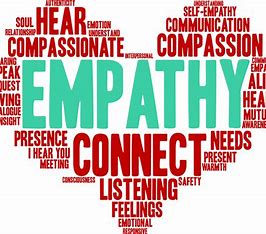
In matters relating to the health and wellbeing of their students, teachers would much prefer not to have to deal with disobedient or boisterous activities. However, they recognise the value of being focused on making the best use of their expertise in enabling all pupils to develop their individual attributes, abilities, and vocational skills. Within both the formal and informal curriculum, many examples of valuable routes towards fostering pro-social and empathetic attitudes and manners are evident. Cross-curricular projects can be found which promote a deeper comprehension and understanding of relationship-building, emotional intelligence, communication skills, teamwork, healthy nutritional habits, recreational pastimes, and employability.
Additionally, there is a wide variety of ‘teach not tell’ approaches and topics presented in timetabled lessons which may include presentations from visiting contributors such as the police, social workers, psychologists, former victims of substance dependency, and representatives from charitable associations. Collaborative efforts may necessitate consideration of complex features within the home or school and so take different accommodating strategies when applied in everyday situations. All these educational inputs have the capacity to be potent and beneficial influences in shaping and sustaining happier and more contented lifestyles.
Undoubtedly, the labelling of pupils such as ‘troublesome’ can be futile and, at times, even have a harmful impact with regard to their mental health. The simple truth is that many pupils need some assistance in discovering how to learn correctly and to make the best of the chances which education provides. Others will require significant support to find ways and tactics for improving their interpersonal competences. A constructive approach is to identify the causes of specific unruly behaviours and seek affirmative interventions. Such endeavours on the part of educationalists call for professional skills to facilitate and fulfil learners’ potential and to enhance their sense of belonging and connectedness.
There are unquestionably real and present hazards associated with the misuse of suspensions, exclusions, isolation rooms and off-site units. For example, exclusions could lead to interruptions in the acquisition of familiarity and knowledge in curricular subjects. In turn, such negative incidents may result in a lack of qualifications and damage to a youth’s future expectations. Nonetheless, in exceptional circumstances, young people may find themselves in specialised learning environments, specifically because of the on-going problems they are experiencing. For them the twin objectives of assimilating the transformative intentions of their new educational setting and of making advances in personal and academic development are of vital importance. Steady progress can result in successful re-integration within mainstream education. If this is not practical, then steps must be taken to guarantee that they have good opportunities to adopt a wide range of life skills and, when apposite, to engage in worthwhile vocational training. If successful, these prospects hopefully will equip them for meeting the systemic barriers which they may face in adulthood. At all times, the tenets of equity and inclusiveness should be regarded as paramount and be efficiently employed.
“People’s behaviour makes sense if you think about it in terms of their goals, needs and motives.” Thomas Mann (1875-1955 – Nobel Prize in Literature Laurate of 1929)
Concluding remarks: promoting positive behaviour, collegiate leadership and ethos
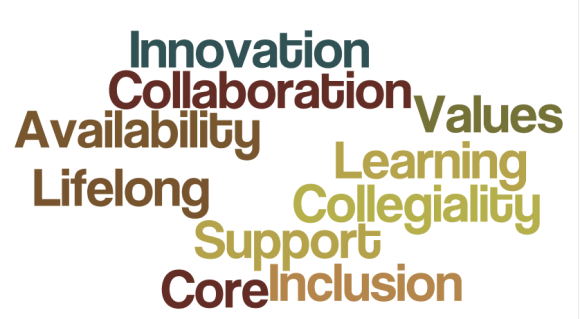
Leadership does not lie solely in the hands of a head of an organisation or of those of senior managers. Their contributions are very significant, but should allow everyone associated with the educational community to have valuable initiatives and feedback to make. Democracy and genuine collaboration must be hallmarks throughout the workforce and have a noteworthy influence in the maintenance of a pleasant and supportive culture.
The elements of first-rate collegiate leadership include: (1) articulation of a shared purpose across the campus; (2) listening to the voices of the complete school population; (3) the promotion of both moral principles and high achievements; (4) recognition of and skills in dealing with triggers for discontent; (5) assured teamwork at every level; and (6) the delivery of outstanding personal, social, emotional and behavioural support for all. Outcomes include engagement, optimism, self-esteem, and insight into the perspectives of others including those who feel disenfranchised. Within a caring climate, students are enticed to buy into rules, routines, and collective values if these can be seen by them to be sensible and purposeful. However, if too much emphasis is focused on individuals and not on the school in its entirety, then the key facets of social cohesiveness, harmony and solidarity can be overlooked.
A central theme running through this article has been that much depends on the quality of the ethos of the school. Through establishing a milieu which fosters social responsibility, trustworthiness and respect for others, young lives can be transformed. It can strengthen learners’ willingness to remain on a steady trajectory towards better and happier times. All learners can find their niche and be at peace with the establishment’s management and regulations and, importantly, with themselves. In the long term, it is society as a whole which benefits through the enrichment of interpersonal and communal wellbeing.
Appendix
For consideration and discussion: An abbreviated behaviour management model on how social skills could be enhanced within the classroom
Note: This particular approach consists of six consecutive stages which can be envisaged as a ‘cycle towards improvements’. It can operate effectively when teachers have responsibility for a class or group on a continuous basis. In secondary education, when pupils have a multiplicity of subjects, suitable modifications under the vigilance of a named member of staff will help to maintain a consistent, integrated plan of implementation. Of course, it will not be suitable for all pupils or all occasions.
Firstly, the teacher identifies what specific aspects of behaviour are unacceptable (for example, bullying another pupil or constant inattention during lessons) and the circumstances which can give rise to their occurrence. She records the antecedents leading to disruptive conduct which are to be avoided.
Secondly, positive behavioural characteristics are noted and reinforced through praise/reward while ensuring that the rationale for plaudits is transparent to the recipient or group. Frequently, it is useful not to select many behaviours and, in more serious circumstances, perhaps only the most pressing one.
Thirdly, it is regularly made clear to the pupil or pupils what is expected and the reasons why such targets are important to them and others. Cognitive awareness and ownership on the part of pupils regarding changes for the better are highly desirable.
Fourthly, all those involved in the process – pupil(s), teacher(s), parent(s), guardian(s) etc. – should be fully aware of how targeted progress is to be monitored, evaluated and rewarded. They also ensure that they respond in a consistent and joined-up fashion.
Fifthly, the social skills which have been learned should continue to be reinforced – through, as appropriate, recognition, praise and rewards – until they are patently and reliably being sustained.
Sixthly, if there are other disruptive or oppositional features which require attention, plans are made to work through the cycle once more, perhaps introducing new successful incentives or alternative approaches which have become apparent from earlier work.
(Upbeat, but cautious: Beware of what I refer to as the ‘Sisyphean trap’ of finding oneself to be endlessly repeating the same strategies over and over again without making any recognisable progress. Remain positive and open to fresh ideas.)
(Dr Frank O’Hagan previously was the Adviser of Studies to Bachelor of Education students at the University of Strathclyde. Later, he was a member of Her Majesty’s Inspectorate of Education.)

 Improving Care and Education